


Seasonal changes can affect more than just the weather. For many families, shorter daylight hours during fall and winter can also influence mood, energy levels, sleep quality, and daily routines. While Seasonal Affective Disorder (SAD) is often discussed in adults, children and teenagers can also experience seasonal mood changes linked to reduced sunlight exposure.
As awareness of light therapy continues to grow, many parents are asking an important question: Can children use SAD therapy light safely?
The answer is that light therapy may be beneficial for some children when used carefully and under professional guidance. However, because children's bodies and eyes are still developing, proper usage, product selection, and supervision are especially important.
In this article, we will explore how SAD therapy lights work, whether they are appropriate for children, potential benefits and risks, safety considerations, and how parents can choose the right light therapy lamp for younger users.
Understanding SAD and Seasonal Mood Changes in Children
What Is Seasonal Affective Disorder?
Seasonal Affective Disorder, commonly called SAD, is a form of depression linked to seasonal changes. It most often appears during fall and winter when natural daylight becomes limited.
- Common symptoms may include:
- Low mood
- Fatigue
- Difficulty concentrating
- Irritability
- Increased sleepiness
- Reduced motivation
- Changes in appetite
- Social withdrawal
Although SAD is more commonly diagnosed in adults, children and teenagers can also experience seasonal mood-related symptoms.
Why Children May Be Affected by Reduced Sunlight
Natural sunlight helps regulate the body's internal clock, also known as the circadian rhythm. Sunlight also influences important hormones and neurotransmitters such as:
Melatonin
Serotonin
Cortisol
During darker months, reduced light exposure may disrupt these biological processes. Some children become more tired, emotionally sensitive, or less active during winter.
Children today may also spend more time indoors using screens, which can further reduce exposure to natural daylight.

What Is a SAD Therapy Light?
How Light Therapy Works
A SAD therapy light, also called a light therapy lamp, is designed to mimic natural outdoor light.
These lamps typically provide bright light at carefully controlled intensities while filtering out most ultraviolet (UV) rays. The goal is to simulate the effects of sunlight exposure during darker seasons.
Light therapy may help support:
Mood balance
Energy levels
Sleep regulation
Alertness
Daily focus
Most users sit near the light for a specific amount of time each morning.
Why Light Matters for the Brain
When the eyes detect bright light, signals are sent to the brain areas responsible for regulating sleep and mood.
Morning light exposure may help:
Reduce excess melatonin production
Support healthy serotonin activity
Reset circadian rhythm timing
Improve wakefulness
This is why many healthcare professionals recommend morning light exposure as part of seasonal wellness routines.
Can Children Safely Use SAD Therapy Lights?
Research on children and light therapy is still developing, but some healthcare professionals may recommend carefully supervised light therapy for certain children experiencing seasonal mood changes. In some cases, children may benefit from:
- Improved mood
- Better morning energy
- Enhanced focus
- Healthier sleep patterns
- More stable daily routines
However, children should never use a SAD therapy light without parental supervision and medical guidance. Children's eyes and nervous systems are still developing. Because of this, their sensitivity to bright light may differ from adults. Improper use may potentially lead to:
- Eye strain
- Headaches
- Irritation
- Sleep disruption
- Overstimulation
This is why choosing the correct light intensity and usage schedule is very important for younger users.
Important Safety Considerations for Children
Consult a Healthcare Professional First
Before introducing a SAD therapy lamp to a child, parents should speak with:
- Pediatricians
- Eye doctors
- Mental health professionals
- Sleep specialists
Professional guidance is especially important if the child has:
- Eye conditions
- Migraines
- Sensory sensitivities
- Bipolar disorder
- Neurological conditions
- Sleep disorders
A healthcare provider can help determine whether light therapy is appropriate and how it should be used safely.
Choose a Child-Friendly Light Therapy Lamp
Not all SAD therapy lights are designed equally. For children, parents should look for features such as:
- Adjustable brightness
- UV-free lighting
- Flicker-free technology
- Soft light diffusion
- Stable and safe design
- Easy controls
A well-designed light therapy lamp helps create a more comfortable experience while reducing unnecessary eye strain.
Start With Short Sessions
Adults often use light therapy for 20–30 minutes daily, but children may need shorter sessions initially.
Many professionals recommend starting with:
10–15 minutes
Morning use only
Gradual adjustment if needed
Parents should monitor how the child responds and stop use if discomfort occurs.
Maintain Proper Distance
Children should not stare directly into the light. Most light therapy lamps are designed to work when positioned nearby during activities such as:
- Reading
- Homework
- Eating breakfast
- Relaxing
Maintaining the recommended distance helps improve comfort and safety.
Potential Benefits of SAD Therapy Lights for Children
Supporting Morning Energy Levels
During winter months, some children struggle with waking up and staying alert during school mornings.
Light therapy may help support a healthier wake-up routine by encouraging the body to feel more awake naturally.
Helping Improve Mood
Reduced daylight exposure may contribute to irritability or emotional changes in some children.
Consistent morning light exposure may help support emotional balance and improve overall mood during darker seasons.
Supporting Better Sleep Patterns
Children who experience seasonal sleep disruptions may benefit from improved circadian rhythm regulation.
When used correctly in the morning, a light therapy lamp may help:
- Promote earlier sleep onset
- Improve sleep consistency
- Reduce daytime tiredness
Enhancing Concentration and Daily Routine
Some families notice that children feel more focused and motivated during winter when healthy light exposure routines are maintained.
Better energy and sleep habits may positively influence:
- School performance
- Attention
- Social interaction
- Physical activity
How Parents Can Create a Healthy Light Therapy Routine
Use the Lamp in the Morning
Morning use is generally recommended because it more closely matches natural sunlight exposure.
Using a SAD therapy light late in the evening may interfere with bedtime routines or sleep timing.
Combine Light Therapy With Healthy Habits
Light therapy works best when combined with healthy lifestyle habits.
Parents can support seasonal wellness by encouraging:
Outdoor activity
Regular exercise
Healthy sleep schedules
Balanced nutrition
Reduced screen time before bed
These habits help reinforce healthy circadian rhythms.
Make the Experience Comfortable
Children are more likely to use light therapy consistently if the experience feels relaxing and simple.
Some families place the lamp near:
Breakfast tables
Study desks
Reading corners
This allows children to receive light exposure naturally during normal morning activities.

Choosing the Right SAD Therapy Light for Families
Adjustable Brightness Matters
Children may prefer lower brightness settings initially.
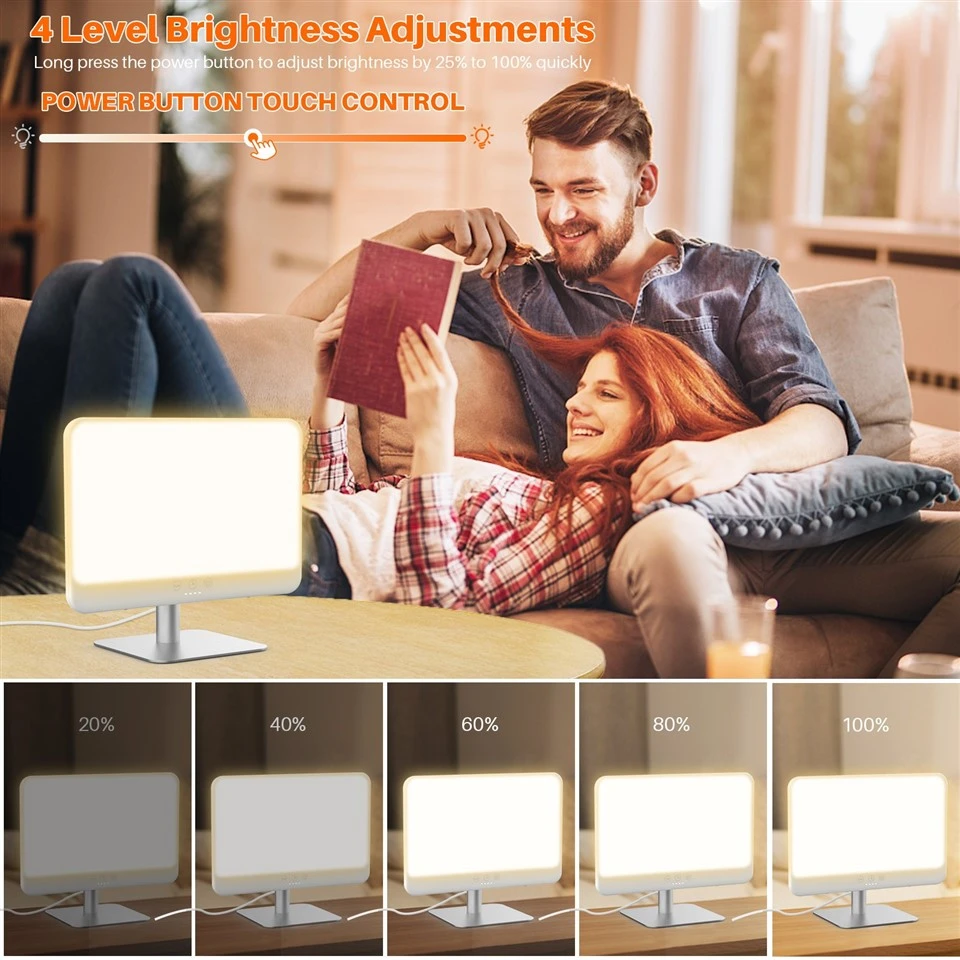
An adjustable light therapy lamp allows families to customize intensity based on comfort and sensitivity.
Ergonomic and User-Friendly Design
Features such as touch controls, curved panels, and stable positioning can improve daily usability.
Parents often appreciate lamps that are:
- Portable
- Lightweight
- Easy to clean
- Simple to operate
UV-Free Technology
High-quality SAD therapy lights are designed to minimize or filter UV exposure, making them safer for regular indoor use.
Consumers should always choose products from reputable manufacturers that follow safety standards.
Common Misunderstandings About SAD Therapy Lights
Light Therapy Is Not the Same as Tanning
Some people mistakenly confuse SAD therapy lights with tanning lamps.
However, SAD therapy lights are designed specifically for wellness and mood support, not skin tanning.
Brighter Is Not Always Better
Using excessively bright light or sitting too close to the lamp does not necessarily improve results. Comfort, consistency, and proper usage are more important than intensity alone.
Results May Take Time
Some children may notice improvements within days, while others may require several weeks of consistent use. Every individual responds differently to light therapy.
Final Thoughts
Children can potentially benefit from SAD therapy lights when used carefully, responsibly, and under professional guidance. As seasonal wellness awareness continues to grow, many families are exploring light therapy as part of a healthy winter routine.
A properly designed light therapy lamp may help support mood, sleep, focus, and daily energy during darker months. However, safety should always come first. Parents should choose high-quality UV-free products, begin with shorter sessions, and consult healthcare professionals before starting therapy.
When combined with healthy habits such as regular sleep schedules, outdoor activity, and balanced routines, light therapy can become a valuable tool for supporting family wellness during seasonal changes.
As more families prioritize sleep, mental wellness, and healthy daily rhythms, SAD therapy lights are becoming an increasingly popular addition to modern home wellness environments.
FAQ
1. Can children safely use SAD therapy lights?
Children may use SAD therapy lights under parental supervision and professional medical guidance. Proper brightness and session duration are important.
2. What age can children start using light therapy lamps?
There is no universal age recommendation. Parents should consult a pediatrician or healthcare professional before use.
3. How long should children use a SAD therapy light?
Many professionals recommend starting with shorter sessions, such as 10–15 minutes in the morning, depending on the child's needs.
4. Are SAD therapy lights safe for children's eyes?
High-quality UV-free therapy lights are generally designed for safety, but children should avoid staring directly into the light and should follow usage guidelines.
5. Can SAD therapy lights help children sleep better?
When used correctly in the morning, light therapy may help support healthier circadian rhythms and improve sleep patterns.
References
American Academy of Pediatrics - Sleep and Child Wellness Research
National Institute of Mental Health - Seasonal Affective Disorder Information
Mayo Clinic - Light Therapy and Seasonal Depression
Cleveland Clinic - Circadian Rhythm and Light Exposure
Harvard Medical School - Effects of Light on Sleep and Mood
Journal of Clinical Sleep Medicine - Pediatric Circadian Rhythm Studies