


Integrating an ultrasonic dental cleaner into your oral hygiene routine can transform plaque control, eliminate stubborn biofilm, and keep dental appliances crystal clear. However, one of the most critical and frequently asked questions from consumers and dental distributors alike is: "How often should I use an ultrasonic dental cleaner?"
The answer depends fundamentally on the type of device you are using-whether a tabletop ultrasonic bath for removable appliances or a handheld dental cleaner for natural teeth-as well as your individual oral health profile. Using an ultrasonic cleaner too infrequently allows calcified tartar and pathogenic bacteria to accumulate, while misusing handheld devices too frequently can risk enamel micro-abrasion or gum irritation. This guide breaks down the science of ultrasonic cavitation and establishes clear, evidence-based usage schedules for optimal oral health.
Understanding the Two Types of Ultrasonic Dental Cleaners
Ultrasonic Cleaning Baths for Removable Appliances
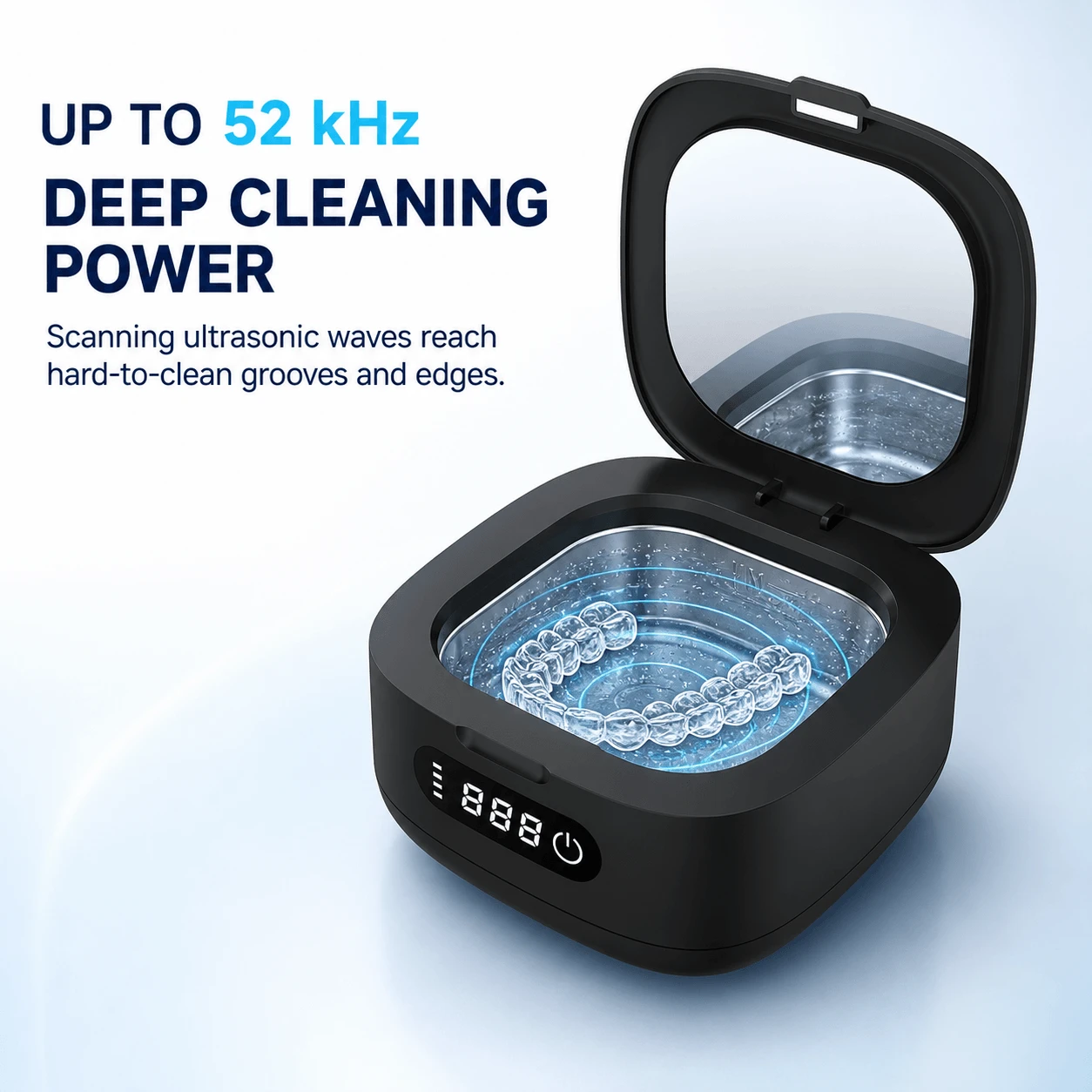
Tabletop ultrasonic cleaners utilize a fluid reservoir to clean removable oral prosthetics, including clear aligners, retainers, mouthguards, nightguards, and full or partial dentures. These devices operate at frequencies typically between 40,000 Hz and 45,000 Hz, transmitting acoustic waves through water or an enzymatic solution. The resulting cavitation bubbles implode against the appliance surface, dislodging saliva proteins, food particles, and bacterial colonies from microscopic grooves and undercuts that manual toothbrushes cannot reach. Because the appliance is removed from the mouth and submerged in a liquid bath, there is no physical contact with living tissue or tooth enamel.
Handheld Sonic and Ultrasonic Tooth Cleaners
Handheld ultrasonic and sonic plaque removers are designed for direct intraoral application along the tooth surface and gumline. These tools use high-frequency acoustic vibrations transmitted through a medical-grade alloy tip to fracture calculus bonds and disrupt sticky bacterial plaque. Because direct mechanical vibration is applied to enamel and exposed root cementum, handheld cleaners operate under strict usage guidelines. They are intended as supplemental hygiene devices between professional dental cleanings rather than daily replacements for conventional toothbrushes and interdental flossers.
Recommended Usage Frequency by Device and Oral Profile
Daily Protocol for Retainers, Aligners, and Dentures
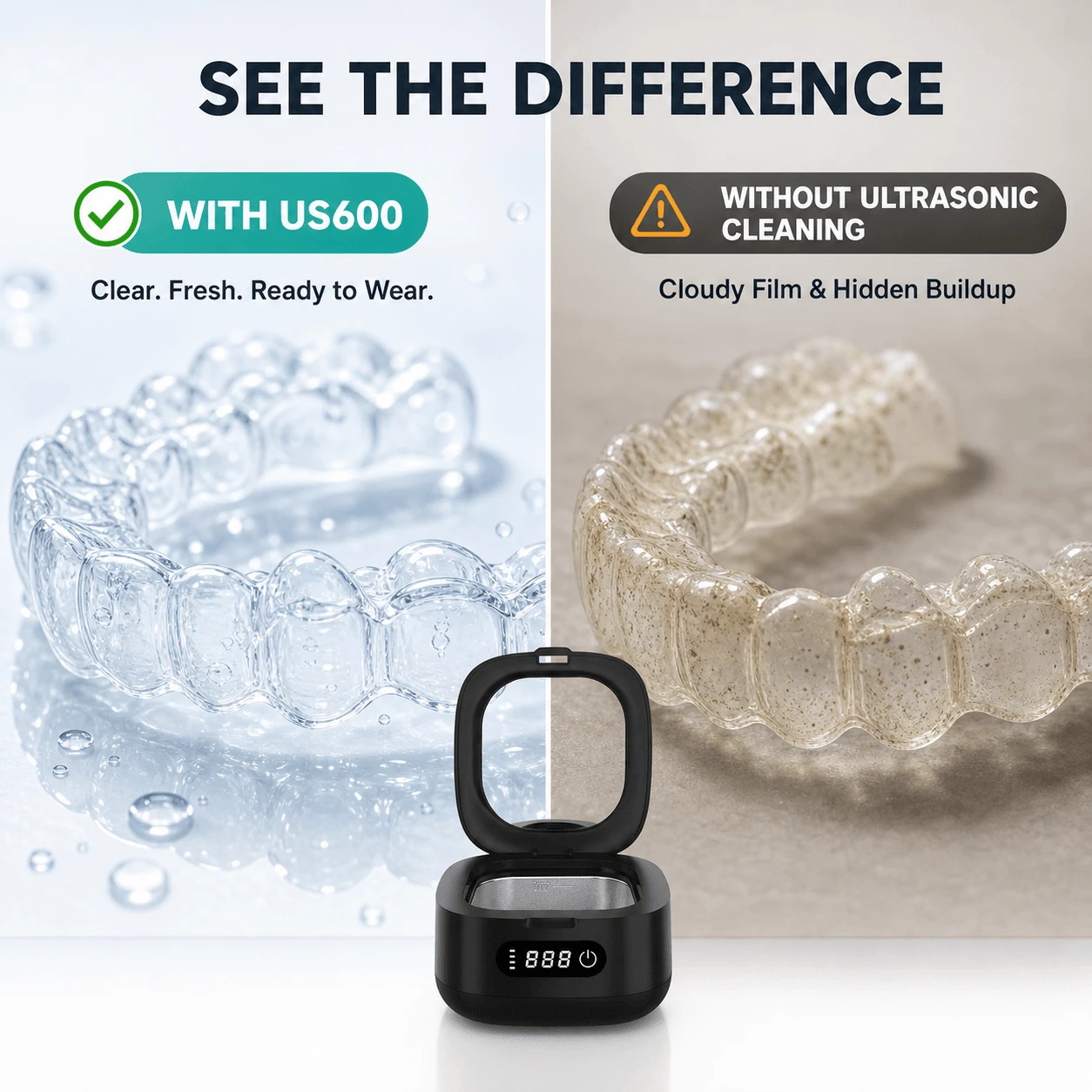
For removable appliances, daily ultrasonic cleaning is the gold standard for infection prevention and odor control. Retainers and aligners absorb oral fluids and harbor anaerobic bacteria that produce volatile sulfur compounds within hours of wear. Submerging your appliance in an ultrasonic bath for three to five minutes once or twice daily-ideally in the morning after overnight wear and in the evening during dinner-ensures that biofilm is dismantled before it can calcify into stubborn tartar. Daily immersion also prevents appliance cloudiness and maintains optical clarity for invisible aligners without requiring harsh, abrasive scrubbing.
Weekly Maintenance for Handheld Plaque and Tartar Removers
When using a handheld ultrasonic tooth cleaner on natural dentition, clinical consensus recommends limiting sessions to once every one to two weeks, or as needed for localized stain and soft plaque buildup. Unlike dental professionals who have direct visualization and specialized subgingival training, home users should focus solely on supragingival deposits above the gumline. A bi-weekly or monthly maintenance touch-up is typically sufficient to manage coffee, tea, and tobacco stains while safeguarding the protective enamel layer and delicate marginal gingiva from unnecessary mechanical friction.
Adjusting for Periodontal Health, Diet, and Lifestyle
Individual lifestyle factors directly influence how rapidly plaque and tartar develop. Individuals with active gingivitis, high salivary mineral content, or crowded teeth experience accelerated calculus formation and benefit from more frequent appliance sanitation and strict interdental hygiene routines. High-sugar diets and dry mouth conditions caused by medication or tobacco use also accelerate microbial proliferation. Conversely, individuals with receding gums or exposed root surfaces must exercise heightened caution with handheld devices, as root cementum is considerably softer than enamel and wears down faster under acoustic friction.
The Risks of Overuse and How to Avoid Them
Enamel Abrasion and Thermal Sensitivity Concerns
The primary risk associated with overusing intraoral ultrasonic cleaners is enamel wear and localized thermal buildup. Sustained vibration on a single tooth surface can generate frictional heat and produce microscopic surface roughness, which paradoxically makes it easier for future bacteria to adhere. In severe cases of overuse, aggressive application near the gumline can cause gingival recession or trigger acute dentin hypersensitivity. For ultrasonic baths, excessive cycle durations beyond ten minutes do not increase cleaning efficacy and can cause fluid temperatures to rise, potentially warping sensitive thermoplastic aligners.
Best Practices for Safe and Gentle Operation
To maximize the benefits of ultrasonic dental cleaning without risking damage, always follow manufacturer-prescribed parameters. When using an ultrasonic bath, use room-temperature water paired with a specialized, non-abrasive dental appliance cleaning tablet, ensuring the appliance is fully submerged. When using a handheld cleaner, keep the tip moving continuously along the tooth surface using light, brushing strokes, and never apply heavy pressure or wedge the tip into periodontal pockets. If you experience persistent tooth sensitivity, bleeding gums, or discomfort, immediately pause usage and consult a licensed dental professional.
How Gold Rose Ultrasonic Technology Balances Power and Protection
Calibrated Frequencies and Automated Timing Controls
As an OEM/ODM manufacturer specializing in precision oral care devices, Gold Rose engineers ultrasonic dental cleaners that combine clinical efficacy with built-in safety mechanisms. Gold Rose ultrasonic baths feature automated frequency modulation between 42,000 and 45,000 Hz, distributing cavitation energy evenly across dental appliances to remove over 99% of bacterial residue without hot spots. Integrated smart microprocessors automatically terminate cycles after three to five minutes, preventing thermal elevation and eliminating the guesswork of manual timing.
Complete Oral Care Integration with Sonic Flossing
Gold Rose advocates for a multi-tiered approach to oral hygiene that pairs ultrasonic appliance care with daily interdental cleaning. Rather than relying solely on periodic scaling, incorporating a gentle daily device like the Gold Rose Z9 LED Electric Flosser provides continuous biofilm disruption along the gumline at 18,000 sonic vibrations per minute. Supported by ISO 13485 medical-quality manufacturing, FDA registrations, and CE/FCC compliance, Gold Rose provides global brand partners with durable, compliant personal care devices designed for balanced, long-term oral health.
Frequently Asked Questions
Q1: Can I use an ultrasonic cleaning bath for my retainers multiple times a day?
Yes, running your clear aligners or retainers through an ultrasonic bath for three to five minutes after each meal is completely safe. Because the acoustic waves act through a liquid medium without mechanical friction, frequent use will not warp or degrade approved thermoplastic dental materials.
Q2: Is it safe to use a handheld ultrasonic plaque remover on my teeth every day?
No, handheld plaque removers should not be used on natural teeth every day because excessive vibration can abrade enamel and irritate gum tissue. Most dental practitioners recommend limiting at-home tooth scaling to once every one or two weeks for minor supragingival plaque and stain touch-ups.
Q3: How long should an ultrasonic cleaning cycle last for dental appliances?
A standard cleaning cycle of three to five minutes is optimal for daily maintenance of retainers, nightguards, and dentures. Devices engineered by Gold Rose incorporate automated shut-off timers to ensure appliances achieve high-level cleanliness without causing unnecessary fluid heating.
Q4: Does Gold Rose manufacture ultrasonic cleaners suitable for home use?
Yes, Gold Rose designs and manufactures a diverse portfolio of OEM/ODM ultrasonic appliance baths and sonic oral care tools featuring medical-grade stainless steel tanks and multi-mode timers. Full product specifications and private-label manufacturing details can be explored directly through goldrosa.com.
Q5: Can an ultrasonic dental cleaner replace regular brushing and professional dental cleanings?
No, an ultrasonic dental cleaner is a supplemental oral care tool and cannot replace daily manual or electric brushing, interdental flossing, or bi-annual professional dental cleanings. Regular check-ups with a dental hygienist remain essential for removing deep subgingival calculus and assessing overall periodontal health.
References
American Dental Association. (2023). Home Oral Care Recommendations and Plaque Control Strategies. ADA Science & Research Institute. https://www.ada.org/resources/research/science-and-research-institute/oral-health-topics/home-care
Journal of Clinical Periodontology. (2021). Efficacy of ultrasonic and sonic instrumentation in biofilm disruption and calculus debridement. Wiley Online Library.
Centers for Disease Control and Prevention. (2016). Oral Health Basics and Periodontal Disease Prevention. CDC Division of Oral Health. https://www.cdc.gov/oralhealth/basics/index.html
Gold Rose. Precision Ultrasonic Dental Cleaners and Advanced Sonic Oral Hygiene Platforms. https://www.goldrosa.com/ultrasonic-dental-cleaner/
National Institute of Dental and Craniofacial Research. (2023). Taking Care of Your Teeth and Mouth. National Institutes of Health. https://www.nidcr.nih.gov/health-info/tooth-decay