



Good oral hygiene goes far beyond brushing and flossing. For millions of people who wear dentures, retainers, aligners, night guards, mouthguards, and other removable dental appliances, maintaining cleanliness can be a daily challenge. These appliances remain in direct contact with saliva, food particles, bacteria, and plaque for many hours each day. Without proper cleaning, they can quickly become a breeding ground for microorganisms that affect both oral health and user comfort.
Traditional cleaning methods such as manual brushing and soaking tablets may remove visible debris, but they often fail to eliminate bacteria hidden in small grooves, crevices, and hard-to-reach areas. As consumer awareness of oral hygiene continues to grow, more users are turning to ultrasonic cleaning technology as a safer, faster, and more effective solution.
In this article, we explore how ultrasonic denture cleaners work, why they are becoming essential in modern oral care routines, and what distributors, retailers, and brand owners should know about this rapidly growing market segment.

Why Oral Appliances Require Specialized Cleaning
Dentures and Retainers Create Ideal Conditions for Bacterial Growth
Unlike natural teeth, removable oral appliances contain numerous microscopic pores, grooves, and uneven surfaces. Throughout the day, these surfaces collect saliva proteins, food residue, plaque, and bacteria. Even when an appliance appears clean to the naked eye, invisible biofilm may already be forming.
Biofilm is particularly problematic because it creates a protective environment where bacteria can multiply rapidly. Over time, this accumulation may contribute to unpleasant odors, gum irritation, oral discomfort, and staining. For users who wear appliances for extended periods, such as Invisalign aligners or overnight retainers, consistent cleaning becomes critical.
Traditional Cleaning Methods Have Significant Limitations
Many users rely on toothbrushes, soaking tablets, or simple rinsing routines. While these methods offer some benefits, they are often insufficient for deep cleaning. Manual brushing depends heavily on technique and can miss hidden areas. Excessive scrubbing may even create micro-scratches that attract more bacteria in the future.
Chemical cleaning tablets can help loosen debris, but they may not completely remove biofilm and often require longer soaking times. For busy consumers seeking a convenient and reliable solution, these limitations have created strong demand for more advanced cleaning technologies.
Understanding How Ultrasonic Cleaning Technology Works
The Science Behind Cavitation
An Ultrasonic Denture Cleaner uses high-frequency sound waves, typically around 40 kHz to 45 kHz, to generate millions of microscopic bubbles inside water. This process is known as cavitation.
As these tiny bubbles rapidly form and collapse, they release energy that gently lifts contaminants away from the appliance surface. Unlike manual brushing, cavitation reaches every corner of the appliance, including areas that are impossible to clean by hand.
The process is highly effective yet remarkably gentle, making it suitable for delicate dental materials such as acrylic, resin, silicone, and thermoplastics.
Deep Cleaning Without Physical Abrasion
One of the biggest advantages of ultrasonic technology is that it removes contaminants without direct scrubbing. Traditional brushes rely on physical contact, which can gradually wear down appliance surfaces. Ultrasonic cleaning uses water and sound waves instead.
Because there is no abrasive friction, retainers, dentures, and aligners maintain their appearance and structural integrity for longer periods. This benefit is particularly important for premium orthodontic appliances that can be expensive to replace.
Professional Technology Adapted for Home Use
Ultrasonic cleaning technology has been used in dental clinics, laboratories, and medical facilities for decades. Advances in electronics and manufacturing have made it possible to bring this professional-grade technology into compact consumer devices.
Today's home-use Dental Appliance Cleaner models provide powerful cleaning performance while remaining affordable, portable, and easy to operate.

Key Oral Hygiene Benefits of Ultrasonic Denture Cleaners
More Effective Removal of Plaque and Biofilm
One of the primary reasons consumers invest in an Ultrasonic Cleaner for Dentures is its ability to remove plaque and biofilm more effectively than conventional cleaning methods.
Biofilm acts like a protective shield that allows bacteria to survive on appliance surfaces. Once established, it becomes increasingly difficult to remove through brushing alone. Ultrasonic cavitation disrupts these bacterial colonies before they become firmly attached, helping maintain a cleaner and healthier oral environment.
Reduction of Odors and Bacterial Contamination
Bad odors often originate from bacterial activity rather than visible dirt. When bacteria metabolize food particles and proteins trapped on an appliance, unpleasant smells develop.
Regular ultrasonic cleaning helps remove these contaminants before odors become noticeable. Many users report fresher-smelling retainers and dentures after only a few cleaning cycles. This improvement contributes significantly to overall comfort and confidence.
Improved Appearance and Appliance Clarity
Clear aligners and retainers can gradually become cloudy or discolored due to accumulated deposits. Beverages such as coffee, tea, wine, and colored soft drinks can accelerate staining.
An Invisalign Cleaner that utilizes ultrasonic technology helps remove surface buildup before permanent discoloration develops. As a result, appliances remain clearer, more transparent, and visually appealing for longer periods.
Better Support for Overall Oral Health
Oral appliances that harbor bacteria can affect surrounding gum tissue and contribute to oral hygiene challenges. By reducing microbial buildup, ultrasonic cleaning supports healthier gums and fresher breath.
Although ultrasonic cleaning is not a substitute for professional dental care, it serves as an effective daily maintenance tool that complements regular brushing, flossing, and dental visits.

Why Ultrasonic Retainer Cleaners Are Becoming a Fast-Growing Market
Rising Demand for Orthodontic Treatment
Global demand for clear aligners and orthodontic treatments continues to expand. More adults than ever are seeking discreet solutions to improve their smiles, driving growth in the retainer and aligner market.
As orthodontic adoption increases, so does the need for convenient cleaning solutions. An Ultrasonic Retainer Cleaner addresses a common concern among users who want to maintain appliance hygiene without damaging delicate materials.
Growing Consumer Focus on Preventive Healthcare
Consumers are becoming increasingly proactive about health management. Rather than waiting for problems to develop, they are investing in products that help prevent issues before they occur.
Ultrasonic cleaning devices fit perfectly within this trend because they support daily hygiene routines while requiring minimal effort. This preventive approach resonates strongly with health-conscious consumers.
Expanding Demand Among Denture Wearers and Seniors
The aging global population continues to drive demand for denture-related products. Seniors often prefer cleaning solutions that are easy to use and require little physical effort.
Automatic ultrasonic cleaning cycles eliminate the need for vigorous scrubbing, making these devices particularly attractive for older users or individuals with limited hand mobility.
How to Choose the Best Ultrasonic Cleaner for Dental Appliances
Select an Appropriate Ultrasonic Frequency
Most experts recommend frequencies around 40 kHz to 45 kHz for oral appliances. This range delivers effective cleaning while remaining safe for sensitive dental materials.
Devices operating within this frequency range provide an excellent balance between cleaning power and material protection.
Look for Simple and User-Friendly Operation
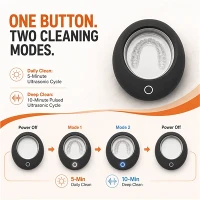
Consumers increasingly value convenience. One-button operation, automatic shutoff functions, and preset cleaning cycles make products easier to integrate into daily routines.
For distributors and brand owners, simplicity often translates into higher customer satisfaction and fewer support requests.
Consider Noise Levels and Portability
Modern consumers expect appliances that are both efficient and comfortable to use. Low-noise operation enhances the user experience, especially when cleaning devices are used early in the morning or late at night.
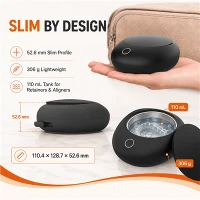
Portable designs also appeal to travelers and professionals who want to maintain oral hygiene while away from home.
Evaluate Additional Hygiene Features
Many premium ultrasonic cleaners now combine ultrasonic technology with UV-C sterilization or specialized cleaning modes. These features can provide additional value and help products stand out in a competitive marketplace.
For OEM and ODM customers, feature differentiation offers opportunities to build stronger brand positioning and increase perceived product value.
The Future of Ultrasonic Cleaning in Home Oral Care
The future of oral appliance maintenance is moving toward smarter, more automated solutions. Consumers are increasingly looking for products that save time while delivering professional-level results.
Ultrasonic cleaning technology aligns perfectly with these expectations. As awareness grows and prices become more accessible, ultrasonic cleaners are expected to become a standard accessory for denture wearers, orthodontic patients, and oral health enthusiasts alike.
For distributors, importers, retailers, and private-label brands, ultrasonic dental cleaners represent a category with strong growth potential, recurring consumer demand, and broad market appeal. Companies that invest in quality products, innovative designs, and consumer education will be well-positioned to capitalize on this expanding opportunity.

FAQs
1. Are ultrasonic denture cleaners safe for daily use?
Yes. Most ultrasonic denture cleaners are designed for regular use and provide gentle cleaning without damaging dental materials when used according to manufacturer instructions.
2. Can ultrasonic cleaners remove bacteria from retainers?
Ultrasonic cleaning helps remove biofilm, plaque, and bacteria from appliance surfaces. Many users experience improved hygiene and reduced odor with consistent use.
3. How often should I clean my retainer with an ultrasonic cleaner?
For most users, cleaning once daily or several times per week is sufficient to maintain hygiene and prevent buildup.
4. Can ultrasonic cleaners clean Invisalign aligners?
Yes. Many consumers use ultrasonic devices as an effective Invisalign cleaner because they can clean difficult-to-reach areas without scratching the aligners.
5. What products can be cleaned besides dentures and retainers?
Most ultrasonic dental cleaners can also clean night guards, mouthguards, orthodontic appliances, toothbrush heads, jewelry, watches, and other small personal items.

References
American Dental Association (ADA). Denture Care and Maintenance Guidelines.
National Institute of Dental and Craniofacial Research (NIDCR). Oral Health and Denture Hygiene Resources.
Journal of Prosthetic Dentistry. Effectiveness of Ultrasonic Cleaning for Denture Biofilm Removal.
International Journal of Dental Hygiene. Microbial Reduction Through Ultrasonic Cleaning Technology.
World Health Organization (WHO). Oral Health Fact Sheets and Preventive Care Recommendations.
U.S. Food and Drug Administration (FDA). Guidance on Dental Device Hygiene and Maintenance.
International Organization for Standardization (ISO). Standards for Dental Materials and Appliance Care.