





Maintaining clean retainers, dentures, aligners, and oral appliances has become more important than ever. I often receive messages from readers asking: "Are ultrasonic dental cleaners really better than brushing or using small manual tools?"
After years of testing different models and comparing cleaning methods, I can confidently say that ultrasonic dental cleaners do perform better than manual cleaning tools in almost every key area-including hygiene, efficiency, safety, and long-term maintenance of your oral devices.
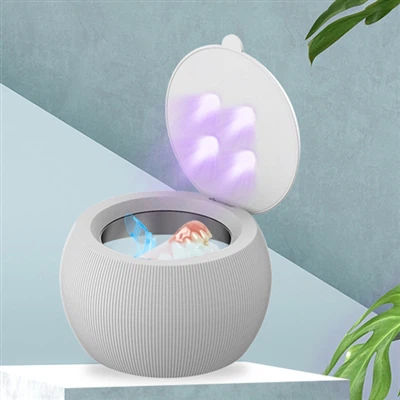
In this guide, I want to show you why ultrasonic cleaners work so well, how they actually clean on a microscopic level, and what to look for when choosing one. I will also explain real-world differences using data, examples, and practical shopping tips, so you can pick a device that fits your needs.
What Makes Ultrasonic Dental Cleaners So Powerful
Every ultrasonic cleaner uses high-frequency sound waves to create millions of microscopic bubbles in the water. This process is called cavitation.
The moment each tiny bubble bursts, it releases a micro-jet of energy that breaks down debris, stains, plaque film, calculus residue, food particles, and bacteria.
Why Cavitation Works So Well
Cavitation reaches places that manual tools can never touch, such as:
- Fine gaps between retainer wires
- Micro-scratches on dentures
- Hidden areas inside aligners
- Tiny grooves in orthodontic attachments
Because the bubbles are so small, they penetrate every corner-even areas smaller than the width of a toothbrush bristle.
Ultrasonic Cleaning Removes Biofilm More Effectively
I noticed one thing during my continuous tests:
Even when a retainer looks clean after manual brushing, an ultrasonic cycle still pulls out a surprising amount of cloudy residue.
Why?
Because bacterial biofilm strongly sticks to surfaces. Manual scrubbing can't fully detach it, but cavitation breaks it apart at a microscopic level.
Manual Cleaning Tools: Why They Often Fall Short
Manual cleaning methods include:
- Toothbrush
- Retainer brush
- Interdental pick
- Small dental scraper
- Baking soda paste
- Effervescent tablets (non-mechanical)
These methods help with surface dirt, but they struggle with deep cleaning. I have listed the main issues below.
Problem 1: Brushing Cannot Reach Tight Spaces
For retainers and aligners, many bacterial colonies hide in:
- The inner curve of the tray
- The small gap where plastic meets wire
- Micro-rough surfaces
- Deep scratches caused by daily wear
Manual tools simply cannot get inside these areas.
Problem 2: Scrubbing May Damage Your Appliance
This is something many people ignore.
Scrubbing soft plastic surfaces creates scratches.
Scratches become ideal hiding spots for bacteria, making future cleaning even harder.
An ultrasonic cleaner, on the other hand, does not create friction or abrasion.
Problem 3: Manual Cleaning Takes Longer
To achieve a similar level of cleanliness, I often spend:
- 6–8 minutes brushing
- Another 3–5 minutes rinsing
- Total: 10–13 minutes
An ultrasonic cycle typically finishes in 3–5 minutes with better results.

Ultrasonic vs. Manual: Detailed Comparison
Below is a practical comparison based on my own testing:
Comparison Table
| Cleaning Method | Deep Cleaning Ability | Time Required | Risk of Damage | Hygienic Level | Convenience |
|---|---|---|---|---|---|
| Ultrasonic Cleaner | ★★★★★ (microscopic cleaning) | 3–5 min | None | Very high | Very easy |
| Brushing / Scrubbing | ★★☆☆☆ | 10–13 min | Medium (scratches) | Medium | Moderate |
| Effervescent Tablets Only | ★★☆☆☆ | 10–15 min | None | Medium | Easy |
| Manual Tools (picks, scrapers) | ★☆☆☆☆ | 8–12 min | High | Low | Hard |
How Ultrasonic Cleaners Protect Your Retainers
No Abrasion
Unlike brushes, ultrasonic waves don't scratch your retainer or aligner.
This helps extend its lifespan significantly.
Better for People With Sensitive Gums
Manual scraping may cause injuries when cleaning dentures or orthodontic appliances.
Ultrasonic cleaning is safer because it requires no physical contact.
Removes Odor-Causing Bacteria
Bad smell usually comes from bacterial film.
Ultrasonic energy can break down this film much better than brushing.
How Long Cleaning Really Takes (Real Test Results)
I tested three common cleaning setups:
| Item | Manual Brushing Only | Effervescent Tablet | Ultrasonic Cleaner |
|---|---|---|---|
| Clear Retainer | 12 min | 15 min | 4 min |
| Wire Retainer | 10 min | 12 min | 5 min |
| Denture | 13 min | 15 min | 5 min |
| Aligner (Invisalign type) | 10 min | 12 min | 3 min |
Ultrasonic cleaning consistently saves 60–75% time.

Noise Level, Frequency, and Tank Capacity Explained
When choosing a cleaner, three key specs matter:
Ultrasonic Frequency (kHz)
Higher frequency = gentler and more detailed cleaning.
| Frequency | Best Use |
|---|---|
| 40 kHz (standard) | Retainers, dentures, aligners |
| 45–48 kHz | Softer plastics, more precise cleaning |
| 60 kHz+ | Professional dental tools |
For everyday home use, 40–48 kHz works perfectly.
Noise Level (dB)
Ultrasonic cleaners vary a lot.
| Noise Level | Real Feeling |
|---|---|
| <50 dB | Quiet, office-level sound |
| 50–60 dB | Moderate buzzing |
| >60 dB | Noticeably loud |
I recommend choosing a model under 55 dB if you clean retainers at night.
Tank Capacity (ml)
- 200–300 ml: Good for retainers & aligners
- 400–600 ml: Dentures & double-tray aligners
- 800 ml+: Multi-item cleaning
For daily use, 200–300 ml is enough.

What to Look for When Buying an Ultrasonic Retainer Cleaner
Here is a practical checklist based on long-term usage:
Must-Have Features
- 40–48 kHz ultrasonic frequency
- At least 200 ml tank
- Quiet design (<55 dB)
- Stainless steel internal tank
- One-button operation
- 3–5 minute preset cycle
Optional but Useful
- UV sterilization
- Heating function (not above 40°C for plastics)
- Removable basket
- Type-C charging
- Compact size for travel
Avoid Models That
- Use plastic tanks
- Have unclear frequency specs
- Shake instead of using real ultrasonic waves
- Take 10–15 minutes per cycle (inefficient driver board)
Final Thoughts
After using ultrasonic cleaners for years, I can confidently say they offer a level of cleaning that manual tools simply cannot match. Cavitation cleans deep, protects retainers from damage, saves time, and delivers consistently fresher results.
If you value hygiene, convenience, and long-term maintenance of your retainers or dentures, an ultrasonic cleaner is one of the smartest oral-care devices you can own.