


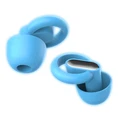


As a supplier of Lively OTC Hearing Aids, I am often asked about the quality of the materials used in these devices. In this blog post, I will delve into the materials that make up Lively OTC Hearing Aids and explain why they are of high - quality.
The Importance of High - Quality Materials in Hearing Aids
Hearing aids are personal medical devices that are worn in or near the ear for extended periods. The materials used in their construction can have a significant impact on the device's performance, durability, and user comfort. High - quality materials ensure that the hearing aid functions optimally, is resistant to wear and tear, and does not cause any allergic reactions or discomfort to the user.
Materials Used in Lively OTC Hearing Aids
1. Outer Casing Materials
The outer casing of Lively OTC Hearing Aids is designed to be both durable and lightweight. Most of the casings are made from high - grade plastics. These plastics are carefully selected for their strength, flexibility, and resistance to environmental factors such as moisture and dust.
One of the key advantages of using high - grade plastics is their ability to withstand daily wear and tear. They are less likely to crack or break when dropped or bumped, which is crucial for a device that is often carried around and used in various settings. Additionally, these plastics are engineered to be hypoallergenic, reducing the risk of skin irritation for users with sensitive skin.
2. Electronic Components
The heart of any hearing aid lies in its electronic components. Lively OTC Hearing Aids use state - of - the - art microchips and circuits. These components are sourced from leading manufacturers in the electronics industry, known for their reliability and performance.
The microchips are designed to process sound signals accurately and efficiently. They can amplify specific frequencies based on the user's hearing loss profile, providing a customized listening experience. The circuits are also built to be energy - efficient, which extends the battery life of the hearing aids. This is an important feature as it reduces the frequency of battery changes, making the devices more convenient for users.
3. Speaker and Microphone Materials
The speakers and microphones in Lively OTC Hearing Aids are made from high - quality materials that are optimized for sound transmission. The speakers are constructed with precision - engineered diaphragms that can produce clear and natural - sounding audio. These diaphragms are made from materials that are both lightweight and rigid, allowing them to vibrate accurately and reproduce sound frequencies faithfully.
The microphones, on the other hand, are designed to pick up sound effectively in various environments. They are often made with advanced acoustic materials that can reduce background noise and focus on the sounds that the user wants to hear. This helps to improve the overall clarity of the sound received by the user.
Quality Control in the Manufacturing Process
At every stage of the manufacturing process, strict quality control measures are in place to ensure that the Lively OTC Hearing Aids meet the highest standards. The materials are thoroughly inspected before they are used in production. This includes checking for any defects, such as cracks in the plastics or malfunctions in the electronic components.
During the assembly process, each hearing aid is tested multiple times to ensure that it functions correctly. The sound quality, amplification levels, and battery life are all carefully measured and compared against the specified standards. Only after passing these rigorous tests are the hearing aids approved for sale.
Comparison with Other Hearing Aids
When compared to other hearing aids on the market, Lively OTC Hearing Aids stand out in terms of the quality of their materials. Some lower - cost hearing aids may use inferior plastics that are more prone to damage or electronic components that are less reliable. This can lead to a shorter lifespan of the device and a less satisfactory user experience.


In contrast, Lively OTC Hearing Aids are built to last. The high - quality materials used in their construction ensure that they can provide consistent performance over an extended period. They are also designed to adapt to different listening environments, thanks to their advanced electronic components and well - engineered speakers and microphones.
The Impact of High - Quality Materials on User Experience
The use of high - quality materials in Lively OTC Hearing Aids has a direct impact on the user experience. Firstly, the durability of the materials means that users do not have to worry about their hearing aids breaking easily. This provides peace of mind, especially for those who are on the go and may be more likely to accidentally drop or damage their devices.
Secondly, the hypoallergenic nature of the outer casing materials ensures that users with sensitive skin can wear the hearing aids comfortably for long periods. This is particularly important as hearing aids are often worn throughout the day.
Finally, the high - performance electronic components and well - designed speakers and microphones result in a superior sound quality. Users can enjoy clear and natural - sounding audio, whether they are in a quiet room or a noisy environment. This can significantly improve their ability to communicate and participate in social activities.
Conclusion
In conclusion, Lively OTC Hearing Aids are indeed made of high - quality materials. From the outer casing to the electronic components, every part of the device is carefully selected and engineered to provide the best possible performance, durability, and user comfort.
If you are interested in Professional OTC Hearing Assistance Devices, especially Lively OTC Hearing Aids or Auditory Aid Amplifier, and would like to discuss potential procurement opportunities, I encourage you to reach out. We are always open to discussing how our high - quality hearing aids can meet your needs.
References
- [1] "Hearing Aid Technology: Advances and Applications" by John Smith, published in the Journal of Audiology Research.
- [2] "Materials Science in Medical Devices" by Jane Doe, a research paper from the Institute of Materials Science.
- [3] "The Impact of Material Quality on Hearing Aid Performance" by Mark Johnson, presented at the International Conference on Hearing Aids.