




Protecting your hearing has become more important than ever, especially as people are exposed to noise from traffic, workplaces, concerts, travel, and busy daily environments. Whether you want better sleep, hearing protection at work, or a more comfortable travel experience, choosing the right type of earplug can make a big difference.
Today, there are many different earplug options available, each designed for specific situations and comfort preferences. Some focus on maximum noise reduction, while others are designed for long-term comfort, swimming, or preserving sound clarity.
In this guide, we'll explore the most common types of earplugs, their advantages and disadvantages, and how to choose the best option for your lifestyle.
Foam Earplugs
The Most Common and Affordable Option
Foam earplugs are one of the most widely used types of ear protection. They are made from soft expandable foam that can be rolled and inserted into the ear canal. Once inside the ear, the foam slowly expands to create a secure seal that helps reduce surrounding noise.
Because they are inexpensive and easy to find, foam earplugs are commonly used in workplaces, construction sites, factories, and noisy public environments. They are also popular among people who need help sleeping in noisy areas.
Best Uses for Foam Earplugs
Foam earplugs are especially useful for:
Sleeping in noisy environments
Workplace hearing protection
Air travel
General noise reduction
Studying or focusing
Pros and Cons of Foam Earplugs
One of the biggest advantages of foam earplugs is affordability. They are lightweight, disposable, and available almost everywhere. Many models also provide strong noise reduction performance.
However, foam earplugs may become uncomfortable during long-term wear, especially for users with sensitive ears. Some lower-quality options may also lose their shape after repeated use.
Silicone Earplugs
Comfortable and Reusable Ear Protection
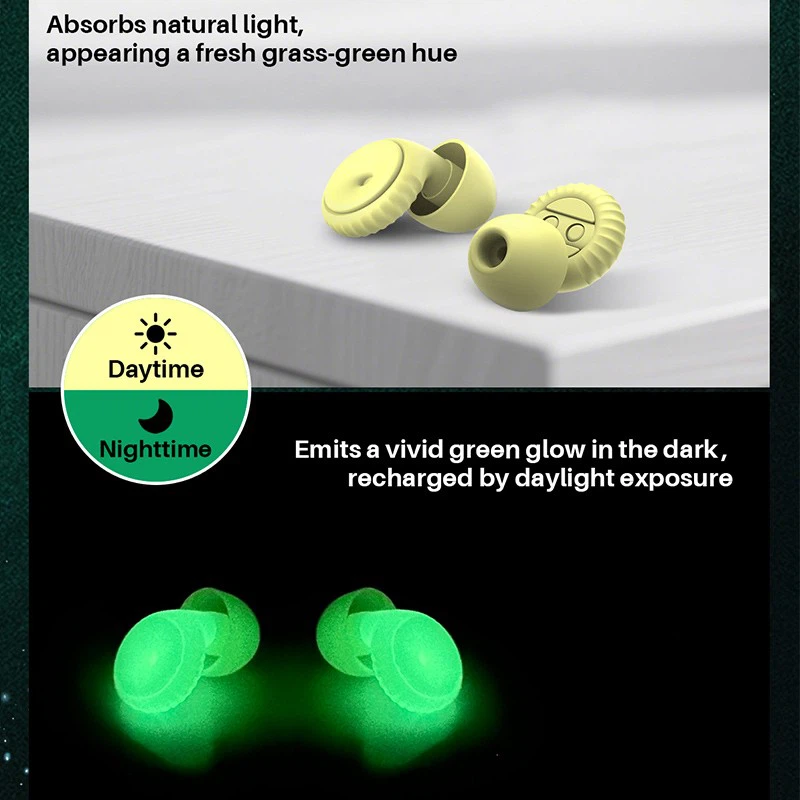
Silicone earplugs are made from soft, flexible silicone material that molds comfortably to the outer ear or ear canal. Unlike foam earplugs, silicone versions do not expand after insertion, which often makes them more comfortable for extended wear.
Many users prefer silicone earplugs for sleeping, studying, traveling, and swimming because they provide a softer fit while also helping block noise and water.
Why Silicone Earplugs Are Popular
Silicone earplugs are reusable and easy to clean with soap and water, making them a more eco-friendly option compared to disposable earplugs. Their flexible material also helps reduce ear pressure during long periods of use.
Advantages and Limitations
Silicone earplugs are durable, washable, and generally more comfortable than foam earplugs. They are especially effective for swimming because they help prevent water from entering the ear canal.
However, they are usually more expensive than foam earplugs and may not always provide the same high level of noise reduction.
Custom-Molded Earplugs
Personalized Fit for Maximum Protection
Custom-molded earplugs are designed specifically for the shape of an individual's ears. A professional creates a mold of the ear canal, and the earplugs are manufactured based on that exact fit.
Because they are customized, these earplugs offer excellent comfort, secure positioning, and superior noise reduction performance.
Common Users of Custom Earplugs
Custom-molded earplugs are commonly used by:
Musicians
Pilots
Military personnel
Industrial workers
Frequent travelers
Professional audio engineers
Benefits of Custom Earplugs
The biggest advantage of custom earplugs is their precision fit. They provide long-term comfort and highly effective hearing protection while reducing pressure inside the ear canal.
The main disadvantage is cost. Custom earplugs are significantly more expensive than standard earplugs and usually require a professional fitting appointment.

Disposable Earplugs
Quick and Convenient Noise Protection
Disposable earplugs are designed for short-term use and are typically made from soft foam materials. They are intended to be used once and then discarded, making them a convenient option for travel, events, and occasional hearing protection.
Best Situations for Disposable Earplugs
Disposable earplugs are commonly used for:
Concerts
Airplane travel
Short-term work environments
Public transportation
Emergency noise protection
Pros and Cons
One of the biggest benefits of disposable earplugs is convenience. They are affordable, portable, and easy to carry in bags, pockets, or travel kits.
However, disposable earplugs are less durable and may not provide the same comfort or long-term performance as reusable options.
Filtered Earplugs
Hearing Protection Without Blocking Important Sounds
Filtered earplugs are specially designed to lower harmful noise levels while still allowing certain sound frequencies to remain clear. Unlike standard earplugs that block most sound completely, filtered earplugs help preserve sound quality and clarity.
This makes them especially popular among musicians, concert attendees, DJs, and people who work in loud environments but still need to communicate clearly.
How Filtered Earplugs Work
Filtered earplugs use specialized acoustic filters to reduce sound intensity without heavily distorting the audio. Users can still hear conversations, music, and environmental sounds more naturally while protecting their hearing from excessive noise exposure.
Who Should Use Filtered Earplugs
Filtered earplugs are ideal for:
Musicians
Concertgoers
DJs and performers
Event staff
Motorcyclists
Office workers in noisy environments
Although filtered earplugs are often more expensive than standard options, many users consider them a worthwhile investment because of their balance between hearing protection and sound clarity.

Conclusion
As you can see, there are many different types of earplugs available, each with its own advantages and disadvantages. When choosing earplugs, it's important to consider your specific needs and the situation in which you'll be using them.
If you're looking for a cheap and easy solution, foam or disposable earplugs may be the way to go. If you need a more comfortable and reusable option, silicone earplugs may be a better choice. And if you need the best possible fit and noise reduction, custom-molded earplugs are the way to go.
If you're interested in purchasing earplugs, feel free to get in touch with us. We're a leading earplugs supplier, and we offer a wide range of high-quality earplugs to meet your needs. Whether you're a musician, a worker in a noisy environment, or just someone who wants to get a good night's sleep, we've got you covered.
References
- "The Science of Hearing Protection." American Academy of Audiology.
- "Types of Earplugs." Mayo Clinic.