


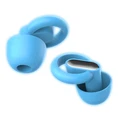


Menstrual cups have become increasingly popular among people looking for a reusable, eco-friendly, and cost-effective alternative to disposable menstrual products. However, proper cleaning and sterilization are essential for maintaining hygiene and ensuring safe long-term use. This is why many users invest in a Period Cup Sanitizer to simplify their menstrual care routine.
Among the different sterilization methods available, high-temperature steam sanitization is considered one of the most effective and convenient options. Still, many users wonder whether regular steam sterilization may have side effects on either the menstrual cup or the user.
The good news is that a high-quality steam-based period cup sanitizer is generally very safe when used correctly. Modern devices are designed to sterilize menstrual cups efficiently while minimizing risks associated with overheating or improper handling. In this article, we will explore how steam period cup sanitizers work, whether they have any side effects, how they compare with traditional boiling methods, and what users should know before choosing one.
Understanding How a Steam Period Cup Sanitizer Works
How Steam Sterilization Eliminates Germs
A steam period cup sanitizer uses high-temperature steam to disinfect menstrual cups and eliminate microorganisms that may remain on the cup's surface after washing. Unlike UV-based sanitizers, steam sanitizers rely on heat and moisture rather than light technology.
The sterilization process is relatively simple. After adding a small amount of water to the device, the sanitizer heats the water to generate steam inside a sealed chamber. The steam surrounds the menstrual cup and reaches temperatures high enough to destroy bacteria, fungi, and other microbes. Most sanitizers complete the process within just a few minutes, making them convenient for daily use.
Steam sterilization has long been used in medical and baby-care industries because of its effectiveness and reliability. Many users prefer steam-based menstrual cup sanitizers because they provide a dedicated hygiene solution without requiring access to a kitchen or stove. This makes them especially practical for travel, dormitories, offices, or shared living environments where boiling a menstrual cup may feel inconvenient or uncomfortable.
Why Steam Sanitizers Are Becoming More Popular
Another reason steam sanitizers are becoming more popular is their ease of use. Most products feature one-button operation and automatic shut-off systems, allowing users to sterilize their menstrual cup quickly without needing to monitor the process constantly.
Compared with traditional boiling, steam sanitizers are often faster, more portable, and easier to use in small spaces. Many users also prefer them because they offer a more discreet cleaning solution. Instead of boiling a menstrual cup in a shared kitchen, users can sterilize it privately using a compact device designed specifically for menstrual hygiene products.
As reusable menstrual care products continue to gain popularity worldwide, steam sanitizers are becoming an important part of many users' daily hygiene routines.

Are There Any Side Effects of Using a Steam Period Cup Sanitizer?
Potential Effects on the Menstrual Cup
Most menstrual cups are made from medical-grade silicone, a durable and heat-resistant material specifically developed for repeated use and sterilization. Under normal conditions, steam sanitization does not cause significant damage to high-quality silicone menstrual cups.
However, repeated exposure to high temperatures over a very long period may gradually contribute to natural material aging. For example, some users may eventually notice slight discoloration, minor changes in texture, or reduced elasticity after years of frequent sterilization. These changes are usually related to long-term wear rather than a defect caused by the sanitizer itself.
Compared with traditional boiling methods, steam sanitizers may actually reduce the likelihood of accidental overheating. When boiling a menstrual cup in a pot, it can be difficult to control the exact temperature and timing. Some users accidentally leave their cups in boiling water for too long, which may increase the risk of deformation or silicone deterioration.
Steam sanitizers, on the other hand, are designed with preset sterilization cycles that automatically control temperature and duration. This helps ensure effective disinfection while avoiding unnecessary heat exposure. As long as the sanitizer is used properly and the menstrual cup is made from quality medical-grade materials, the risk of serious damage is extremely low.
Potential Effects on User Safety
Steam period cup sanitizers are generally considered safe household devices, but users should still be aware of proper handling procedures. Since the device generates high-temperature steam, there is a possibility of minor burns if it is opened or touched incorrectly during or immediately after operation.
For example, opening the lid too quickly after the sterilization cycle finishes may release hot steam that can irritate the skin. Similarly, touching the internal heating chamber before it has cooled slightly may cause discomfort. However, these risks are relatively small and can usually be avoided by following the manufacturer's instructions carefully.
Most modern steam sanitizers are designed with user safety in mind. Many models include automatic shut-off functions that stop heating once the sterilization cycle is complete. Others feature enclosed chambers and heat-resistant outer materials to minimize direct contact with hot surfaces.
Another important factor is electrical safety. Since steam sanitizers are electronic devices, users should avoid exposing charging ports or power cables to excessive moisture. Using damaged cables or incompatible adapters may increase the risk of malfunction. Choosing a reliable manufacturer and maintaining the device properly can help ensure safer long-term use.
Common Mistakes That May Increase Risks
Although steam sanitizers are designed for convenience and safety, improper use can still create avoidable problems. One common mistake is adding too much or too little water, which may affect steam production and sterilization efficiency.
Some users also open the lid immediately after the cleaning cycle ends without allowing the steam to cool slightly. This increases the risk of steam burns or discomfort. Others may neglect regular cleaning of the device itself, leading to mineral buildup that can reduce performance over time.
Using low-quality products without proper safety protections may also increase potential risks. Reliable period cup sanitizers are usually designed with controlled heating systems, automatic shut-off protection, and durable heat-resistant materials that improve overall safety and product lifespan.

Steam Sanitizer vs. Traditional Boiling
Advantages of Traditional Boiling
Boiling remains one of the most traditional and widely recommended methods for sterilizing menstrual cups. Many menstrual cup brands advise users to boil their cups in water before and after each menstrual cycle to maintain hygiene.
Boiling is effective, affordable, and does not require any specialized equipment beyond a pot and heat source. When done properly, it can eliminate many common microorganisms and provide reliable sterilization.
However, boiling is not always convenient. Users need access to clean water, a stove or kettle, and enough time to monitor the process. Some people also feel uncomfortable boiling menstrual products in shared kitchens or public spaces.
Advantages of Steam Sanitizers
Steam sanitizers provide a more modern and portable alternative. Because the device is specifically designed for menstrual cup sterilization, the process is often quicker, easier, and more discreet. Automatic timing systems also reduce the risk of accidental overboiling, which may occur when users forget to remove the cup from boiling water.
In terms of effectiveness, both methods can properly sterilize a menstrual cup when used correctly. The difference mainly comes down to convenience, portability, and user experience. Many people choose steam sanitizers because they simplify the cleaning process and fit more easily into busy lifestyles.
Another advantage of steam sanitizers is consistency. The device maintains a controlled sterilization environment every time it is used, while traditional boiling may vary depending on water temperature, heating duration, and user habits.
Why More Users Are Choosing Steam Period Cup Sanitizers
Better for Travel and Shared Living Spaces
For frequent travelers, portable steam sanitizers are especially helpful because they eliminate the need to search for kitchen facilities. In dormitories, offices, or shared apartments, they also provide a more private way to maintain menstrual cup hygiene.
Many users appreciate being able to sterilize their menstrual cup discreetly without using communal cooking equipment. Compact designs also make these sanitizers easy to pack into luggage or handbags.
Easier Daily Hygiene Routine
Another reason users prefer steam sanitizers is convenience. Most devices feature one-button operation and automatic sterilization cycles, making the process simple and efficient.
Instead of monitoring boiling water or worrying about overheating, users can sterilize their menstrual cup quickly with minimal effort. This convenience encourages more consistent cleaning habits, which is important for maintaining proper menstrual hygiene.
Many users also feel more confident using a dedicated sanitizing device designed specifically for menstrual care products. This added sense of cleanliness and convenience has contributed to the growing popularity of steam sanitizers in recent years.

How to Use a Steam Period Cup Sanitizer Safely
Follow the Manufacturer's Instructions
Proper use is important for both safety and effectiveness. Users should always follow the instructions provided by the manufacturer, including the recommended amount of water and sterilization time.
Using too much water may affect steam circulation, while insufficient water may reduce sterilization performance. Following the correct procedure helps ensure consistent and safe operation.
Allow the Device to Cool Slightly
After the sterilization cycle finishes, it is a good idea to allow the device to cool briefly before opening the lid. This reduces the risk of direct exposure to hot steam and makes handling more comfortable.
Users should also avoid touching the internal chamber immediately after operation, as the surfaces may still retain heat for a short period.
Clean and Maintain the Device Regularly
Regular cleaning helps maintain the performance and lifespan of the sanitizer. Mineral buildup from water can gradually affect steam production, especially in areas with hard water.
Users should periodically inspect the device for damaged cables, abnormal heating, steam leakage, or malfunctioning buttons. If any problems appear, the sanitizer should no longer be used until repaired or replaced.
Choosing a high-quality product from a reliable manufacturer is another important factor. Well-designed steam sanitizers typically include better temperature control systems, safer materials, and more reliable long-term performance.

Final Thoughts
For most users, steam period cup sanitizers are a safe and effective way to maintain menstrual cup hygiene. When used correctly, the side effects are minimal, and the risk of damage to either the menstrual cup or the user is very low.
Although there is a small possibility of heat-related burns or long-term material wear, these risks can usually be avoided through proper handling and regular maintenance. Modern steam sanitizers also include safety features such as automatic shut-off systems and controlled sterilization cycles that help improve user safety.
Compared with traditional boiling, steam sanitizers offer a more portable, convenient, and user-friendly experience. As reusable menstrual products continue to grow in popularity, steam sanitizers are becoming an increasingly practical solution for daily menstrual cup care.
By choosing a reliable product and following recommended usage guidelines, users can safely enjoy the benefits of steam sterilization as part of their hygiene routine.
FAQ
1. Is steam sterilization safe for menstrual cups?
Yes. Most menstrual cups are made from medical-grade silicone that is designed to withstand high-temperature sterilization. Steam sanitization is generally considered safe when used properly.
2. Can a steam sanitizer damage my menstrual cup?
Under normal use, damage is unlikely. Over many years of repeated sterilization, some natural material aging may occur, but high-quality sanitizers are designed to minimize excessive heat exposure.
3. Can I burn myself using a steam period cup sanitizer?
There is a small risk of steam burns if the lid is opened immediately after operation. Allowing the device to cool briefly before handling can help avoid this issue.
4. Is a steam sanitizer better than boiling?
Both methods are effective. Steam sanitizers are often considered more convenient, portable, and easier to control compared with traditional boiling.
5. How often should I sterilize my menstrual cup?
Most users sterilize their menstrual cup before and after each menstrual cycle and clean it regularly during use according to the cup manufacturer's instructions.
References
U.S. Food and Drug Administration (FDA) - Medical Device Sterilization Methods
World Health Organization (WHO) - Hygiene and Infection Prevention Guidelines
Cleveland Clinic - Menstrual Cup Cleaning and Care Recommendations
National Center for Biotechnology Information (NCBI) - Steam Sterilization and Microbial Control Studies
American College of Obstetricians and Gynecologists (ACOG) - Menstrual Hygiene Product Safety