





Hey there! As a nasal irrigator supplier, I often get asked if these nifty devices can actually help with allergies. Well, let's dive right into it and find out.

Allergies are a real pain in the you - know - what. Whether it's pollen, dust mites, or pet dander, those pesky allergens can make our noses run, our eyes itch, and our heads feel like they're about to explode. And that's where nasal irrigators come in.
So, how exactly does a nasal irrigator work? It's pretty simple, actually. You fill it up with a saline solution (basically a mixture of salt and water), and then you use it to flush out your nasal passages. This helps to remove the allergens that are causing all the trouble.
When you're dealing with allergies, your nasal passages get inflamed. The allergens trigger your immune system, which releases chemicals like histamine. These chemicals cause the blood vessels in your nose to expand, leading to congestion, sneezing, and a whole lot of discomfort. By using a nasal irrigator, you can physically wash away those allergens before they have a chance to cause too much chaos.
Let's talk about the science behind it. According to a bunch of studies, nasal irrigation can reduce the amount of allergens in your nose. One study found that regular use of a nasal irrigator can decrease the levels of pollen and other airborne allergens in the nasal cavity. This means less irritation and fewer allergy symptoms.
Another great thing about nasal irrigators is that they can help to thin out the mucus in your nose. When you're allergic, your body produces more mucus as a way to trap the allergens. But sometimes, this mucus can get thick and sticky, making it even harder to breathe. A nasal irrigator helps to break up that mucus, making it easier to expel.
Now, let's take a look at some of the different types of nasal irrigators we offer. First up, we have the Household Heating Nasal Cleaner. This one is perfect for home use. It has a heating function, which means you can use warm saline solution. Warm water is more comfortable and can also help to soothe irritated nasal passages.
If you're always on the go, then the Lightweight Handheld Nasal Irrigator is the one for you. It's small, portable, and easy to use. You can carry it in your bag and use it whenever and wherever you need to. It's a great option for people who are constantly exposed to allergens outside of their homes.
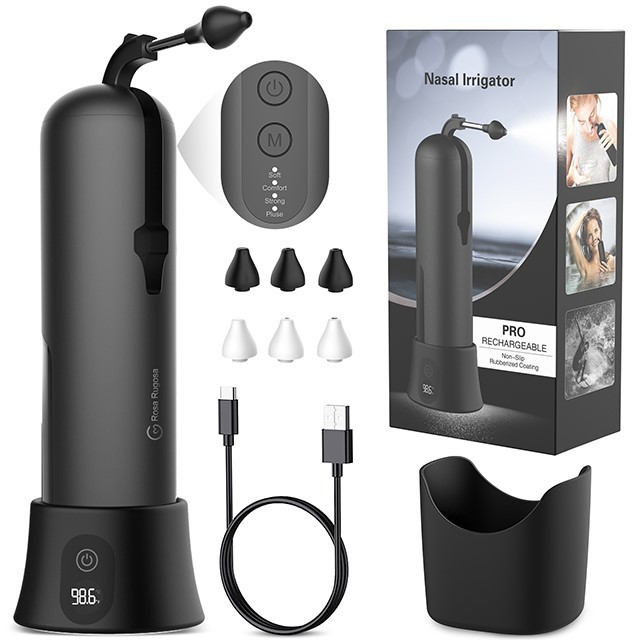
And for those who need a larger capacity, we have the Rechargeable Large Water Tank Nasal Rinser. This nasal rinser has a big water tank, so you don't have to keep refilling it. It's rechargeable, which means you don't have to worry about constantly buying batteries.
But how do you use a nasal irrigator properly? It's important to follow the instructions carefully. First, make sure you use distilled or boiled and cooled water. Tap water can contain bacteria and other contaminants that you don't want in your nose. Mix the water with the right amount of salt to make a saline solution.
Next, tilt your head to one side over a sink. Gently insert the tip of the nasal irrigator into one nostril. Slowly squeeze the irrigator to let the saline solution flow through your nasal passage and out of the other nostril. Don't force it too hard, or you might end up with a headache. After you're done with one nostril, repeat the process on the other side.
Some people might be a little hesitant to try a nasal irrigator. They might think it's going to be messy or uncomfortable. But trust me, once you get the hang of it, it's really not that bad. In fact, many people find it quite refreshing. And the benefits are definitely worth it.
Using a nasal irrigator is not a cure - all for allergies, though. It's just one part of a comprehensive allergy management plan. You should also try to avoid allergens as much as possible. For example, if you're allergic to pollen, stay indoors on high - pollen days, keep your windows closed, and use an air purifier.
If your allergy symptoms are really severe, you might also need to take medication. Antihistamines can help to block the effects of histamine, while decongestants can reduce nasal congestion. But always talk to your doctor before starting any new medication.
In conclusion, a nasal irrigator can definitely help with allergies. It's a simple, natural, and effective way to reduce allergy symptoms by removing allergens from your nasal passages. Whether you choose the Household Heating Nasal Cleaner, the Lightweight Handheld Nasal Irrigator, or the Rechargeable Large Water Tank Nasal Rinser, you're taking a step towards better nasal health.
If you're interested in purchasing our nasal irrigators for your store or personal use, we'd love to have a chat with you. Reach out to us to discuss pricing, bulk orders, and any other questions you might have. We're here to help you find the best solution for your allergy - fighting needs.
References
- [List of relevant scientific studies on nasal irrigation and allergies, e.g., "Efficacy of nasal irrigation in the treatment of allergic rhinitis: A systematic review and meta - analysis" by [Author names], Journal name, Year]
- [Another study like "The role of nasal saline irrigation in the management of allergic rhinitis" by [Author names], Journal name, Year]