


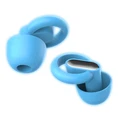


Plastic items are part of everyday life. From retainers and aligners to phone cases, toothbrush heads, and food containers, plastic products are constantly exposed to bacteria, moisture, and daily handling. As more consumers look for convenient hygiene solutions, UV sanitizers have become increasingly popular. One common question people ask is: can a UV sanitizer safely be used on plastic items?
The short answer is yes. Most plastic items can be sanitized using UV light technology, especially when the sanitization process is designed correctly. However, not all plastics react to UV exposure in the same way, and understanding how UV sanitization works can help users protect both their health and their belongings.
For products like a UV retainer cleaner case or UV sanitizer storage box, proper UV exposure is carefully calibrated to provide effective disinfection while minimizing potential damage to dental appliances and other plastic accessories. In this guide, we will explore how UV sanitizers interact with plastic materials, which plastics are safest for UV exposure, and how to use a UV sanitizer properly for long-term results.
Understanding How UV Sanitization Works
UV sanitization uses ultraviolet light, particularly UV-C light, to reduce microorganisms on surfaces. UV-C wavelengths typically range from 200 to 280 nanometers and are widely recognized for their ability to damage the DNA and RNA of bacteria and other microbes. Once the genetic structure of microorganisms is disrupted, they lose the ability to reproduce and survive.
Unlike chemical disinfectants, UV sanitization does not require liquids, sprays, or wipes. This makes UV sanitizer boxes especially popular for oral care products such as retainers, dentures, mouth guards, and aligners. Many users appreciate that the process is simple, fast, and residue-free.
Why UV-C Technology Is Popular for Dental Appliances
Dental appliances spend hours inside the mouth and are constantly exposed to saliva, bacteria, plaque, and food particles. Traditional cleaning methods, such as brushing or soaking, may help remove visible debris, but they may not fully sanitize the surface.
A UV retainer cleaner case provides a more convenient daily hygiene solution. By placing the appliance inside the storage box and activating the cleaning cycle, users can reduce bacteria buildup without harsh chemicals or complicated cleaning routines. Since many retainers and aligners are made from medical-grade plastic materials, manufacturers often design UV sanitizer boxes specifically for compatibility with these products.
How UV Exposure Affects Plastic Materials
Although UV sanitization is generally safe for many plastics, prolonged or excessive UV exposure can eventually affect some materials. UV light carries energy that can slowly break down certain chemical bonds inside plastic surfaces. Over time, this process may lead to discoloration, brittleness, fading, or reduced flexibility.
However, the level of exposure inside a modern UV sanitizer box is usually very controlled. Most UV retainer cleaner cases operate with short cleaning cycles designed for daily use. Because the exposure duration is limited, the impact on high-quality dental plastics is typically minimal.
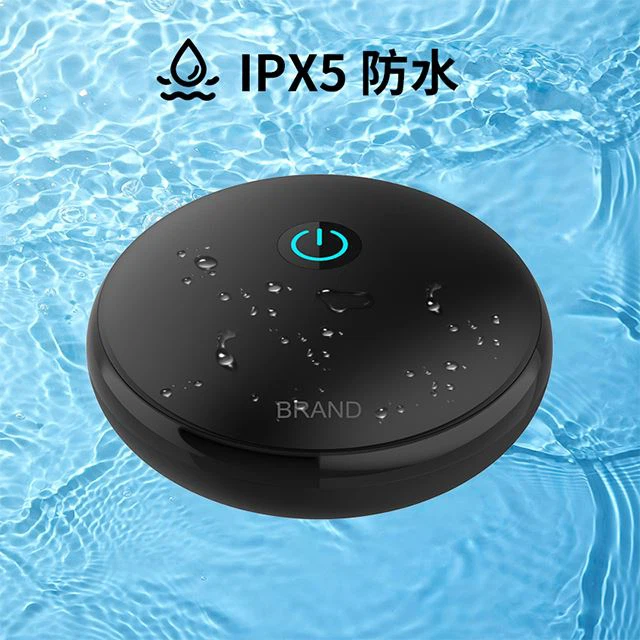
Are All Plastics Safe for UV Sanitization?
Different plastics respond differently to UV light. Some are naturally more UV-resistant, while others may degrade faster when repeatedly exposed.
UV-Resistant Plastics Used in Oral Care Products
Many retainers, aligners, and dental guards are made from durable medical-grade materials designed for repeated daily use. Common UV-resistant plastics include polypropylene (PP), polyethylene (PE), and certain silicone-based materials. These materials generally tolerate moderate UV exposure well and are commonly used in healthcare and food-related applications.
Because of their durability, these materials are often chosen for products stored inside UV sanitizer boxes. When paired with short sanitization cycles, they can maintain their appearance and performance over long periods.
Plastics That May Be More Sensitive to UV Light
Some plastics are more vulnerable to UV degradation. Materials such as polystyrene and lower-quality polycarbonate may gradually become brittle or yellow after repeated long-term UV exposure. Thin or inexpensive plastics may also develop surface changes more quickly.
This does not necessarily mean these materials cannot be sanitized with UV light, but it does highlight the importance of using a properly designed UV sanitizer. High-quality UV retainer cleaner cases are engineered to balance effective sanitization with safe exposure levels.
Why Controlled Exposure Matters
Professional UV sanitizer boxes are not designed to expose items to intense UV light continuously. Instead, they use carefully timed cleaning cycles that provide practical sanitization without unnecessary exposure. This balance is especially important for delicate oral care appliances.
Using a product according to the manufacturer's instructions can significantly reduce the risk of material damage while maintaining hygiene standards.
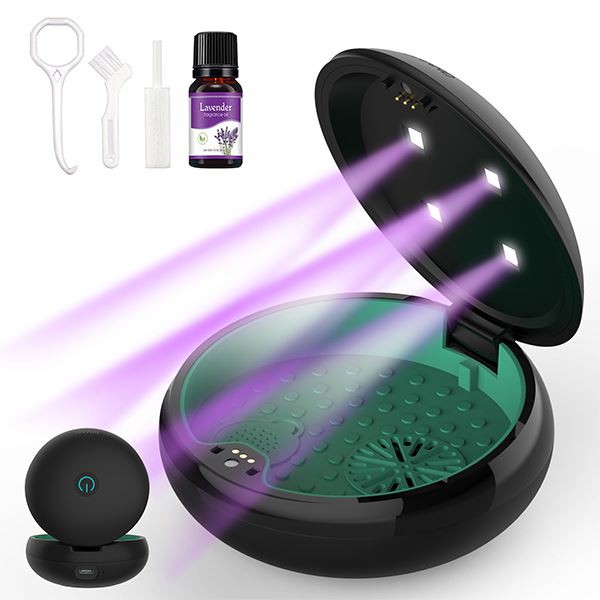
Common Plastic Items That Can Be Sanitized With UV Light
UV sanitizers are commonly used for much more than retainers and aligners. Many everyday plastic accessories can benefit from regular sanitization.
Retainers, Aligners, and Dentures
Retainers and clear aligners are among the most common products cleaned with UV sanitizer boxes. Because they are worn daily and stored in moist environments, bacteria can easily accumulate on the surface. A UV retainer cleaner case helps simplify daily cleaning while reducing odors and improving hygiene habits.
Dentures and mouth guards can also benefit from UV sanitization as part of a regular cleaning routine.
Toothbrush Heads and Oral Care Accessories
Toothbrush heads are exposed to bathroom humidity and airborne bacteria every day. Many users place electric toothbrush heads, tongue scrapers, or orthodontic tools inside UV sanitizer storage boxes to help maintain cleanliness between uses.
Phone Cases and Personal Items
Plastic phone cases, earbuds, glasses frames, and cosmetic tools are frequently touched throughout the day. UV sanitizer boxes offer a convenient way to reduce surface contamination without moisture or chemicals that may damage sensitive electronics.
Benefits of Using a UV Retainer Cleaner Case
The growing popularity of UV retainer cleaner cases is driven by convenience, hygiene, and portability.
Convenient Daily Hygiene
Traditional retainer cleaning methods often involve soaking tablets, brushing, or rinsing under water. While these methods can remove visible buildup, they may not always fit into busy routines. A UV sanitizer box simplifies the process by allowing users to sanitize appliances with a single button.
This ease of use encourages more consistent hygiene habits, which is important for oral health.
Chemical-Free Cleaning
Many people prefer chemical-free sanitization methods for products that enter the mouth daily. UV-C sanitization eliminates the need for harsh cleaners or strong-smelling disinfectants. This makes UV retainer cleaner cases especially appealing for sensitive users.
Portable and Travel-Friendly Design
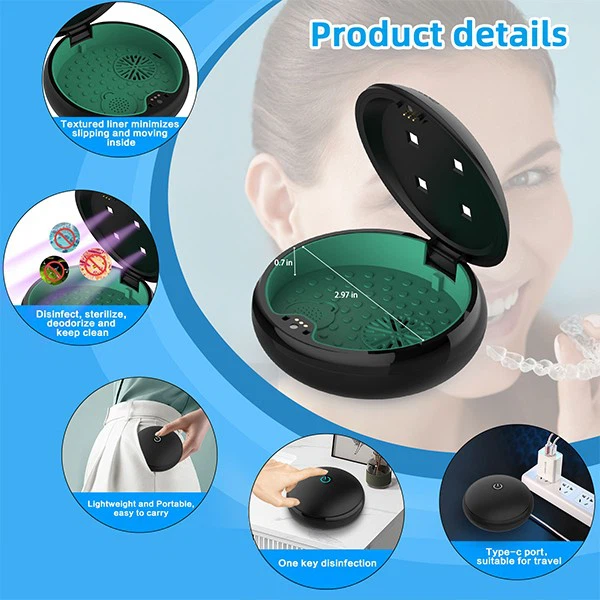
Modern UV sanitizer storage boxes are often compact and lightweight, making them easy to carry during travel. Whether at school, work, or on vacation, users can maintain oral appliance hygiene without needing access to boiling water or cleaning tablets.
Best Practices for Using UV Sanitizers on Plastic Items
Proper usage helps maximize both cleaning effectiveness and product lifespan.
Avoid Excessive Exposure
Running unnecessary sanitization cycles repeatedly may increase long-term wear on sensitive plastics. Most UV sanitizer boxes are designed with optimized cycle times, so following the recommended duration is important.
Clean Visible Debris Before Sanitizing
UV light works best on relatively clean surfaces. Food residue or heavy buildup can block UV light from reaching microorganisms effectively. Rinsing or lightly brushing retainers before placing them into the sanitizer can improve results.
Store Plastic Items Properly
After sanitization, keeping retainers and dental appliances inside a clean storage case can help reduce recontamination. Many UV retainer cleaner cases also function as storage containers, adding convenience for daily use.
Choosing a High-Quality UV Sanitizer Storage Box
Not all UV sanitizers are built the same. Product quality can greatly influence both effectiveness and safety.
Look for Reliable UV-C Technology
A high-quality UV sanitizer should use properly calibrated UV-C wavelengths designed for sanitization purposes. Reliable products also include safety mechanisms to prevent direct UV exposure to the user.
Consider Build Quality and Interior Design
The internal layout of the sanitizer box affects how evenly UV light reaches the item. Well-designed interiors help minimize shadowed areas and improve cleaning consistency.
Choose User-Friendly Features
Modern UV retainer cleaner cases often include USB charging, automatic shut-off functions, portable designs, and one-touch operation. These features improve convenience and encourage regular use.
Conclusion
So, can a UV sanitizer be used on plastic items? In most cases, absolutely yes. High-quality UV sanitizer boxes are designed to safely sanitize many everyday plastic products, including retainers, aligners, dentures, toothbrush heads, and personal accessories.
While some plastics are more sensitive to UV exposure than others, controlled sanitization cycles used in professional UV retainer cleaner cases are generally safe for routine use. By choosing a reliable product and following proper usage guidelines, users can enjoy a cleaner, more convenient hygiene routine without relying heavily on chemicals.
As demand for portable oral care solutions continues to grow, UV sanitizer storage boxes are becoming an increasingly practical choice for maintaining cleaner dental appliances at home and while traveling.

FAQ
1. Can UV light damage retainers or aligners?
Most medical-grade retainers and aligners are designed to tolerate normal UV sanitization cycles. Short, controlled exposure in a UV retainer cleaner case is generally safe for daily use.
2. Is a UV sanitizer better than soaking tablets?
UV sanitizers and soaking tablets serve different purposes. Many users combine both methods for a more complete cleaning routine.
3. Can I sanitize phone cases in a UV sanitizer box?
Yes. Many plastic phone cases, earbuds, and small accessories can be sanitized safely using UV-C sanitizer boxes.
4. How long should I run a UV sanitizer cycle?
Most UV sanitizer storage boxes use short cleaning cycles ranging from a few minutes to around ten minutes, depending on the product design.
5. Are UV sanitizer boxes safe to use daily?
High-quality UV sanitizer boxes designed for consumer use are generally safe for daily sanitization when used according to manufacturer instructions.
References
Centers for Disease Control and Prevention (CDC) – Ultraviolet Germicidal Irradiation
World Health Organization (WHO) – Radiation: Ultraviolet (UV) Radiation
American Dental Association (ADA) – Retainer Care and Oral Appliance Hygiene
National Center for Biotechnology Information (NCBI) – UV-Induced Polymer Degradation Studies
International Ultraviolet Association (IUVA) – UV-C Disinfection Technology and Safety