




Swimming is a popular activity that offers numerous health benefits, from improving cardiovascular health to enhancing muscle strength. However, when it comes to swimming after an ear wash, there are several factors to consider to ensure your ear health is not compromised. As an ear wash supplier, I've encountered many customers with questions about post - ear - wash swimming. In this blog, I'll delve into the science behind this topic and provide you with the information you need to make an informed decision.
Understanding the Ear Wash Process
Before discussing swimming after an ear wash, it's essential to understand what happens during an ear wash. Ear wax, also known as cerumen, is a natural substance produced by the ear to protect the ear canal from dust, bacteria, and foreign particles. Sometimes, excessive ear wax can accumulate and cause blockages, leading to symptoms such as hearing loss, earache, and tinnitus.
An ear wash is a procedure used to remove excess ear wax. It typically involves using a gentle stream of warm water or a specialized ear - washing solution to flush out the wax. There are various ear - washing tools available on the market, such as the Foldable Compact Electric Ear Washer, which offers a convenient and effective way to perform ear washes at home.
The Risks of Swimming After an Ear Wash
After an ear wash, the ear canal is more vulnerable to infections and other complications. Here are some of the main risks associated with swimming shortly after an ear wash:
1. Bacterial Infections
When you wash your ears, the protective layer of ear wax is partially removed. Ear wax has antibacterial properties that help prevent the growth of harmful bacteria in the ear canal. Without this protective layer, bacteria in the water can easily enter the ear canal and cause an infection, such as otitis externa (swimmer's ear). Symptoms of swimmer's ear include ear pain, itching, redness, and discharge.
2. Water Retention
After an ear wash, some water may remain in the ear canal. If you swim immediately, more water will enter the ear, increasing the risk of water retention. Trapped water in the ear canal creates a moist environment that is ideal for the growth of bacteria and fungi. This can lead to infections and other ear problems.
3. Irritation and Inflammation
The ear canal may be slightly irritated after an ear wash. Swimming in chlorinated or saltwater can further irritate the delicate skin of the ear canal, causing inflammation and discomfort. This can exacerbate any existing irritation and delay the healing process.


How Long Should You Wait to Swim After an Ear Wash?
The recommended waiting time before swimming after an ear wash depends on several factors, including the method of ear wash, the individual's ear health, and the type of water (chlorinated pool, saltwater, etc.).
In general, it's advisable to wait at least 24 to 48 hours before swimming. This allows the ear canal to recover and the protective layer of ear wax to start regenerating. However, if you experience any pain, discomfort, or discharge from your ears after an ear wash, it's best to consult a healthcare professional before swimming.
Precautions to Take if You Must Swim After an Ear Wash
If you can't wait 24 to 48 hours to swim after an ear wash, there are some precautions you can take to reduce the risk of complications:
1. Use Earplugs
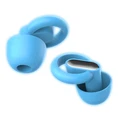
Wearing earplugs can help prevent water from entering the ear canal. Look for earplugs that are specifically designed for swimming and provide a good seal. Make sure to insert them correctly to ensure maximum protection.
2. Dry Your Ears Thoroughly
After swimming, dry your ears gently with a soft towel. You can also tilt your head to the side and pull your earlobe gently to help drain any water from the ear canal. Avoid using cotton swabs, as they can push the water further into the ear and cause damage to the ear canal.
3. Use an Ear - Drying Solution
There are over - the - counter ear - drying solutions available that can help prevent water retention in the ear canal. These solutions typically contain alcohol, which helps evaporate the water and reduce the risk of infection.
Our Ear Wash Products
As an ear wash supplier, we offer a range of high - quality ear - washing products to meet your needs. Our Best At Home Ear Cleaning Kit includes everything you need to perform a safe and effective ear wash at home. The kit comes with a gentle ear - washing solution, a soft - tipped applicator, and detailed instructions.
We also have the Waterproof Massaging Ear Cleaner, which not only cleans your ears but also provides a gentle massage to the ear canal. This can help improve blood circulation and reduce the risk of ear wax blockages.
Conclusion
Swimming after an ear wash can pose some risks to your ear health. It's important to wait at least 24 to 48 hours before swimming to allow the ear canal to recover. If you must swim sooner, take precautions such as using earplugs, drying your ears thoroughly, and using an ear - drying solution.
If you have any questions about our ear - washing products or need more information on ear health, please don't hesitate to contact us. We're here to help you maintain healthy ears and enjoy your swimming activities safely. Whether you're a regular swimmer or just looking for a convenient way to clean your ears at home, our products are designed to meet your needs. Reach out to us for more details on our product range and to start a procurement discussion.
References
- American Academy of Otolaryngology - Head and Neck Surgery. (2023). Ear Wax: What You Need to Know.
- Mayo Clinic. (2023). Ear Wax Blockage.
- World Health Organization. (2023). Ear and Hearing Disorders.