




Can Sad Therapy Light Cure Depression?
As a supplier of sad therapy lights, I've witnessed a growing interest in the potential of these devices to alleviate symptoms of depression. In this blog post, I'll explore the science behind sad therapy lights, their effectiveness in treating depression, and how they might fit into a comprehensive treatment plan.

Understanding Sad Therapy Lights
Sad therapy lights, also known as light therapy lamps, are designed to mimic natural sunlight. They emit bright light that can help regulate the body's internal clock, or circadian rhythm, which is often disrupted in people with depression. The most common type of sad therapy light emits white light with a color temperature similar to natural sunlight, typically around 5000 to 6500 Kelvin.
The use of light therapy to treat mood disorders dates back to the 1980s when researchers discovered that exposure to bright light could improve symptoms of seasonal affective disorder (SAD), a type of depression that occurs during the winter months when sunlight is scarce. Since then, light therapy has been studied for its potential to treat other forms of depression as well, including non-seasonal depression.
How Sad Therapy Lights Work
The human body has an internal clock that regulates various physiological processes, including sleep, wakefulness, and mood. This internal clock is influenced by external cues, such as sunlight. When we are exposed to sunlight in the morning, it signals to our body that it's time to wake up and start the day. This helps to synchronize our internal clock with the external environment.
In people with depression, the internal clock can become disrupted, leading to symptoms such as insomnia, fatigue, and low mood. Sad therapy lights work by providing a bright light source that can help to reset the internal clock and improve the body's natural rhythms. By exposing the eyes to bright light in the morning, sad therapy lights can help to suppress the production of melatonin, a hormone that regulates sleep, and promote wakefulness.

The Effectiveness of Sad Therapy Lights in Treating Depression
Numerous studies have investigated the effectiveness of sad therapy lights in treating depression, particularly seasonal affective disorder. A meta-analysis of 19 randomized controlled trials found that light therapy was significantly more effective than placebo in reducing symptoms of SAD. Another study found that light therapy was as effective as antidepressant medication in treating SAD.
While most of the research on sad therapy lights has focused on SAD, there is also some evidence to suggest that they may be effective in treating non-seasonal depression. A small study of 29 patients with non-seasonal depression found that exposure to bright light for 30 minutes per day for four weeks significantly reduced symptoms of depression compared to placebo.
However, it's important to note that sad therapy lights are not a cure for depression. They are a complementary treatment option that can be used in conjunction with other treatments, such as psychotherapy and medication. Additionally, the effectiveness of sad therapy lights may vary depending on the individual and the severity of their depression.
Choosing the Right Sad Therapy Light
If you're considering using a sad therapy light to treat depression, it's important to choose the right one. Here are some factors to consider:
- Light intensity: The light intensity of a sad therapy light is measured in lux. For most people, a light intensity of 10,000 lux is recommended. However, some people may require a higher or lower intensity depending on their individual needs.
- Light spectrum: The light spectrum of a sad therapy light refers to the range of wavelengths of light that it emits. Most sad therapy lights emit white light with a color temperature similar to natural sunlight. However, some lights may also emit specific wavelengths of light, such as blue light, which has been shown to have a positive effect on mood.
- Size and design: Sad therapy lights come in a variety of sizes and designs. Some are small and portable, while others are larger and more stationary. Consider your lifestyle and needs when choosing a sad therapy light.
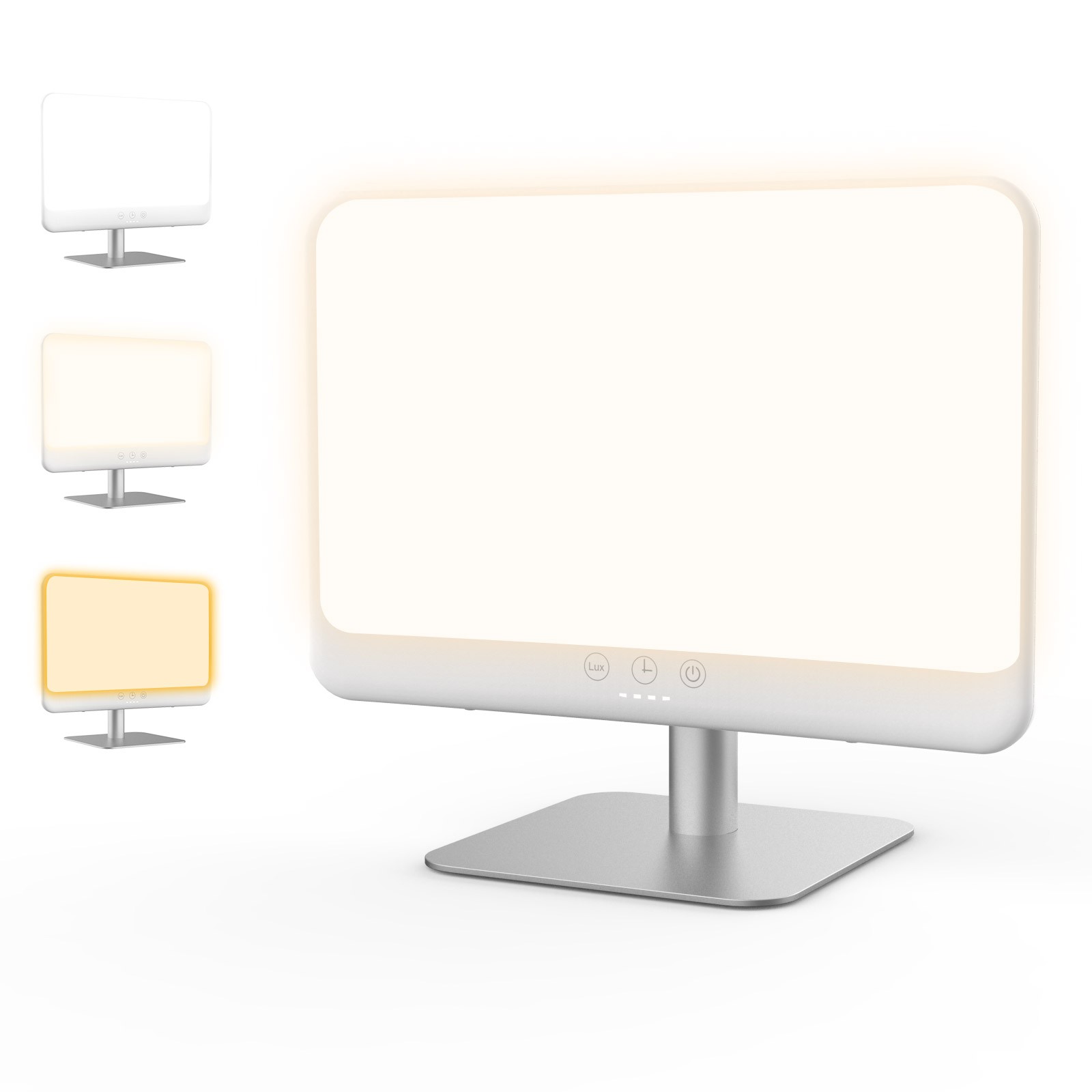
- Features: Some sad therapy lights come with additional features, such as adjustable brightness, color temperature, and timer settings. These features can make the light more convenient and customizable to your needs.
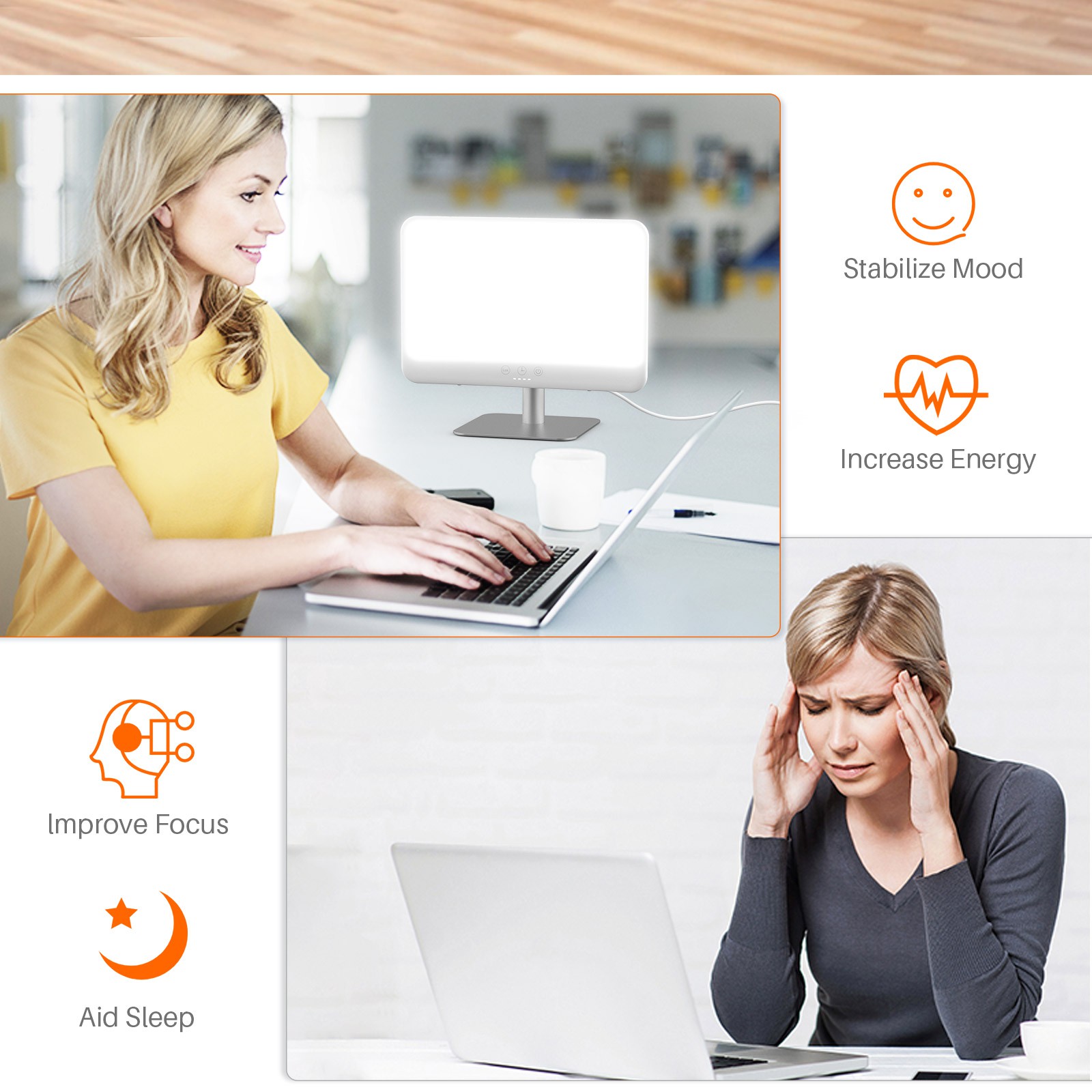
As a supplier of sad therapy lights, we offer a range of high-quality products to meet your needs. Our Seasonal Depression Lamp is designed specifically for the treatment of seasonal affective disorder, while our Touch Control Adjustable Light Therapy Lamp allows you to customize the brightness and color temperature of the light. We also offer a Curved SAD Light Therapy Lamp that provides a wider field of light for more effective treatment.
Using Sad Therapy Lights Safely
While sad therapy lights are generally considered safe, there are some precautions that you should take when using them. Here are some tips:
-
Follow the manufacturer's instructions
- Make sure to read and follow the manufacturer's instructions carefully when using a sad therapy light. This will help to ensure that you are using the light safely and effectively.
-
Start slowly
- If you're new to using a sad therapy light, start with a short exposure time, such as 10 to 15 minutes per day, and gradually increase the time as your body adjusts.
-
Avoid looking directly at the light
- Looking directly at the light can cause eye damage. Instead, position the light at a comfortable angle so that you can see the light out of the corner of your eye.
-
Use the light at the right time of day
- For most people, it's best to use a sad therapy light in the morning, within an hour of waking up. This will help to synchronize your internal clock with the external environment.
-
Be aware of potential side effects
- Some people may experience side effects when using a sad therapy light, such as headache, eyestrain, or nausea. If you experience any side effects, stop using the light and consult your doctor.
Conclusion
Sad therapy lights have shown promise as a complementary treatment option for depression, particularly seasonal affective disorder. While they are not a cure for depression, they can help to improve symptoms by regulating the body's internal clock and promoting wakefulness. If you're considering using a sad therapy light to treat depression, it's important to choose the right one and use it safely.
As a supplier of sad therapy lights, we are committed to providing high-quality products and excellent customer service. If you have any questions or would like to learn more about our products, please don't hesitate to contact us. We would be happy to discuss your needs and help you find the right sad therapy light for you. Whether you're a healthcare professional looking to add light therapy to your treatment options or an individual seeking relief from depression, we're here to support you. Reach out to us to start a conversation about how our sad therapy lights can make a difference in your life or the lives of your patients.
References
- Golden, R. N., Gaynes, B. N., Ekstrom, R. D., Hamer, R. M., Jacobsen, F. M., Suppes, T., … & Wisner, K. L. (2005). The efficacy of light therapy in the treatment of mood disorders: a review and meta-analysis of the evidence. American Journal of Psychiatry, 162(4), 656-662.
- Terman, M., Terman, J. S., Lo, H., & Cooper, T. B. (2001). Circadian time of light administration and therapeutic response in seasonal affective disorder. Archives of General Psychiatry, 58(11), 1093-1103.
- Wirz-Justice, A., Benedetti, F., Terman, M., Terman, J. S., & Oren, D. A. (2005). Chronobiology and therapy of depression. Biological Psychiatry, 57(11), 1424-1433.