


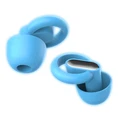


As a supplier of New OTC (Over - the - Counter) Hearing Aids, I've witnessed the significant evolution of these devices in recent years. One of the most frequently asked questions from potential customers is whether new OTC Hearing Aids have a self - test function. In this blog, I'll delve into this topic, exploring the science behind it, the benefits, and the current state of self - test capabilities in the market.
The Rise of OTC Hearing Aids
The introduction of OTC Hearing Aids has been a game - changer in the hearing aid industry. Traditionally, hearing aids were only available through audiologists or hearing healthcare professionals. This often meant high costs, long waiting times, and multiple in - person visits. OTC Hearing Aids, on the other hand, can be purchased directly by consumers without a prescription, making them more accessible and affordable.
The demand for OTC Hearing Aids has been driven by an aging population and a growing awareness of hearing loss. According to the World Health Organization, over 1.5 billion people worldwide are currently living with hearing loss, and this number is expected to reach 2.5 billion by 2050. With such a large market, manufacturers are constantly innovating to meet the needs of consumers.


The Concept of Self - Test Function
A self - test function in a hearing aid allows users to assess their own hearing ability without the need for a professional audiologist. This can be extremely convenient, especially for those who live in remote areas or have limited access to healthcare services.
The self - test typically involves a series of audio stimuli presented through the hearing aid. The user is then asked to respond to these stimuli, for example, by pressing a button when they hear a sound. Based on the user's responses, the hearing aid can generate a basic hearing profile. This profile can then be used to adjust the settings of the hearing aid to better suit the user's hearing needs.
Science Behind Self - Testing
The science of self - testing in hearing aids is based on psychoacoustics, which is the study of how humans perceive sound. When a sound is presented to a person, their auditory system processes the sound and sends signals to the brain. The brain then interprets these signals and determines whether the sound is audible.
In a self - test, the hearing aid presents sounds of different frequencies and intensities. The user's responses are used to determine their hearing thresholds at each frequency. These thresholds are then compared to normal hearing thresholds to identify any hearing loss. For example, if a user has difficulty hearing high - frequency sounds, the hearing aid can be adjusted to amplify these frequencies more.
However, it's important to note that self - tests are not as accurate as professional audiological tests. Professional tests are conducted in a controlled environment using specialized equipment and trained professionals. Self - tests, on the other hand, are subject to various factors such as background noise, user fatigue, and inconsistent responses.
Current State of Self - Test Capabilities in New OTC Hearing Aids
Many new OTC Hearing Aids on the market today do come with a self - test function. For example, Lively OTC Hearing Aids offer a simple and intuitive self - test feature. Users can perform the test in the comfort of their own home and get a basic understanding of their hearing ability.
Another example is Self Fitting Hearing Aids, which not only have a self - test function but also allow users to adjust the settings of the hearing aid based on the test results. This provides a more personalized experience for the user.
However, the quality and accuracy of self - test functions can vary widely between different models and manufacturers. Some self - tests may only provide a very basic assessment of hearing, while others may be more comprehensive. It's important for consumers to do their research and choose a hearing aid with a reliable self - test function.
Benefits of Self - Test Function in OTC Hearing Aids
The self - test function in OTC Hearing Aids offers several benefits. Firstly, it provides immediate feedback to the user. Instead of waiting for an appointment with an audiologist, users can quickly find out if they have a hearing problem and take appropriate action.
Secondly, it empowers users to take control of their own hearing health. By being able to perform a self - test, users can monitor their hearing over time and make adjustments to their hearing aids as needed. This can lead to better long - term hearing outcomes.
Finally, it can save time and money. Without the need for multiple in - person visits to an audiologist, users can save on travel costs and appointment fees. This makes hearing aids more accessible to a wider range of people.
Limitations of Self - Test Function
As mentioned earlier, self - tests are not as accurate as professional audiological tests. They may not be able to detect certain types of hearing loss, such as those caused by inner ear problems or neurological disorders.
In addition, self - tests rely on the user's ability to accurately respond to the audio stimuli. If the user is not paying attention or is fatigued, the test results may be inaccurate. This can lead to incorrect settings on the hearing aid, which may not provide optimal hearing improvement.
The Role of Professional Help
While self - test functions in OTC Hearing Aids are convenient, they should not replace professional audiological care. It's recommended that users who suspect they have a hearing problem should first consult an audiologist for a comprehensive evaluation.
An audiologist can perform a detailed hearing test using specialized equipment. They can also provide professional advice on the best type of hearing aid for the user's specific needs. In some cases, they may also recommend additional treatments or therapies to improve hearing.
Conclusion
In conclusion, many new OTC Hearing Aids do have a self - test function, which offers a convenient way for users to assess their own hearing ability. However, it's important to understand the limitations of these self - tests and to seek professional help when needed.
If you're interested in purchasing a New OTC Hearing Aid with a self - test function, we're here to help. As a supplier, we offer a wide range of high - quality Auditory Aid Amplifier products. We can provide you with detailed information about the features and capabilities of each model. If you have any questions or would like to discuss your specific needs, please don't hesitate to reach out to us. We're looking forward to having a procurement negotiation with you to find the best solution for your hearing needs.
References
- World Health Organization. (2021). World report on hearing.
- Moore, B. C. J. (2003). An introduction to the psychology of hearing. Academic Press.