




As a supplier of UV sanitizers, I often receive various questions from customers. One question that has come up frequently lately is whether a UV sanitizer works in cold temperatures. In this blog post, I'll delve into the science behind UV sanitizers and explore how cold temperatures can affect their performance.
How UV Sanitizers Work
Before we discuss the impact of cold temperatures, it's essential to understand how UV sanitizers operate. UV sanitizers use ultraviolet (UV) light to disinfect and kill microorganisms such as bacteria, viruses, and fungi. There are three main types of UV light: UVA, UVB, and UVC. UVC light, in particular, is highly effective at disinfection because it has a short wavelength that can penetrate the cell walls of microorganisms and damage their DNA or RNA, preventing them from replicating and rendering them harmless.
When you place an item inside a UV sanitizer, the UVC light emitted by the device bombards the surface of the item, breaking down the molecular bonds in the DNA or RNA of any microorganisms present. This process, known as photochemical damage, effectively neutralizes the pathogens, providing a chemical - free and efficient way to sanitize various objects.
Factors Affecting UV Sanitizer Performance
The performance of a UV sanitizer can be influenced by several factors, including the intensity of the UV light, the distance between the light source and the object being sanitized, the duration of exposure, and the type of microorganisms. Additionally, environmental conditions such as temperature can also play a role.

Impact of Cold Temperatures on UV Sanitizers
- Effect on the UV Lamp
The UV lamp is the heart of a UV sanitizer. Cold temperatures can have a significant impact on the performance of the lamp. Most UV lamps rely on a gas - filled tube to generate UV light. In cold conditions, the gas inside the tube may not ionize as efficiently as it does at normal temperatures. This can lead to a decrease in the intensity of the UV light emitted. When the intensity of the UV light is reduced, it may take longer to achieve the same level of disinfection. For example, if a UV sanitizer typically takes 10 minutes to sanitize an object at room temperature, it might take 15 - 20 minutes in cold temperatures due to the lower light intensity. - Material Considerations
The materials used in the construction of the UV sanitizer can also be affected by cold temperatures. Some plastics and rubbers may become brittle in cold weather, which could potentially lead to cracks or leaks in the device. If the UV sanitizer has a sealed chamber to prevent UV light from escaping, a crack in the material could allow the light to leak out, reducing its effectiveness and potentially posing a safety hazard. - Microorganism Resistance
Cold temperatures can also affect the microorganisms themselves. Some bacteria and viruses may become more resistant to UV light when exposed to cold conditions. This is because the cold can cause changes in the cell membrane of the microorganisms, making it more difficult for the UV light to penetrate and damage their genetic material. As a result, a UV sanitizer may need to operate for a longer period or at a higher intensity to achieve the same level of disinfection in cold temperatures.
Mitigating the Effects of Cold Temperatures
- Pre - warming the Sanitizer
One way to mitigate the impact of cold temperatures is to pre - warm the UV sanitizer before use. You can do this by leaving the device in a warmer environment for a short period, say 15 - 30 minutes, to allow the lamp and the internal components to reach a more optimal operating temperature. - Adjusting the Exposure Time
If you're using a UV sanitizer in cold temperatures, you can increase the exposure time to compensate for the reduced intensity of the UV light. Refer to the manufacturer's guidelines to determine the appropriate increase in exposure time based on the temperature conditions. - Proper Storage
When not in use, store the UV sanitizer in a warm place. Avoid leaving it in an unheated garage or outside during cold weather. This will help prevent damage to the device and ensure that it's ready to operate effectively when you need it.
Our UV Sanitizer Products
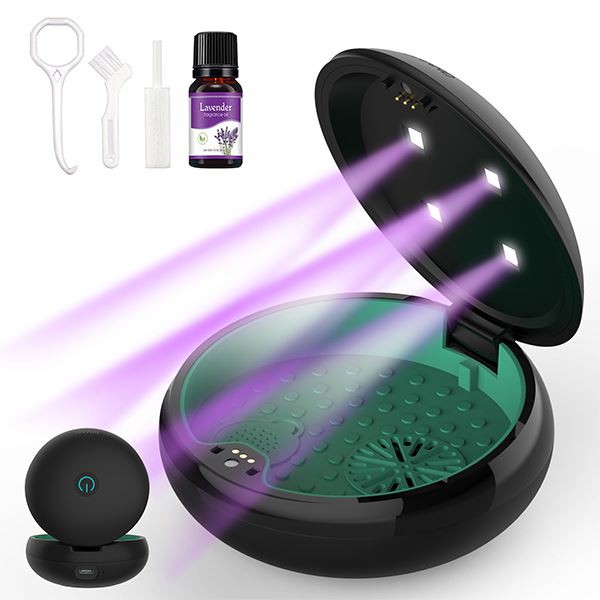
At our company, we offer a range of high - quality UV sanitizers designed to meet various needs. For example, our Box Sterilizer Uv is perfect for sanitizing small objects such as toothbrushes, jewelry, and keys. It features a compact design and powerful UVC lamps to provide efficient disinfection.
We also have the Professional Denture Cleaning Machine, which combines ultrasonic cleaning with UV sanitization to ensure thorough cleaning and disinfection of dentures. And for those looking for a unique product, our Touch Control Adjustable Light Therapy Lamp not only provides light therapy benefits but also has a UV sanitizing function.
Conclusion
In conclusion, while cold temperatures can have an impact on the performance of UV sanitizers, it doesn't mean that they don't work in cold conditions. By understanding the factors that are affected by cold temperatures and taking appropriate measures such as pre - warming the device, adjusting the exposure time, and proper storage, you can still achieve effective disinfection.
If you're interested in our UV sanitizer products or have any questions about their performance in different temperature conditions, we'd love to hear from you. We're committed to providing high - quality products and excellent customer service. Contact us to start a procurement discussion and find the best UV sanitizer solution for your needs.
References
- “Ultraviolet Germicidal Irradiation Handbook” by Neil E. Lewis
- “Microbiology: An Introduction” by Gerard J. Tortora, Berdell R. Funke, Christine L. Case