



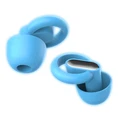


Ensuring the cleanliness of your menstrual cup is crucial for both your health and the longevity of the product. As a supplier of the Steam Menstrual Cup, I understand the concerns many users have about keeping their cups clean enough. In this blog post, I'll share some insights on how to determine if your Steam Menstrual Cup is clean and provide tips on maintaining its hygiene.
Visual Inspection
The first and most straightforward way to assess the cleanliness of your menstrual cup is through a visual inspection. After each use, carefully examine the cup under good lighting. Look for any visible signs of blood, debris, or discoloration. Blood residue is usually the most obvious indicator of uncleanliness. If you notice any streaks or clumps of blood on the cup, it clearly needs further cleaning.
Discoloration can also be a sign of improper cleaning or the buildup of bacteria. A new menstrual cup typically has a uniform color. Over time, if it starts to develop dark spots or a dull appearance, it might not be as clean as it should be. However, it's important to note that some discoloration can be normal due to the natural breakdown of the cup's material over time. But significant or sudden changes in color should raise concerns.
Smell Test
Another simple yet effective method is the smell test. A clean menstrual cup should have little to no odor. If you detect a foul or unpleasant smell when you take out the cup, it's a strong indication that there are still bacteria or other contaminants present. The smell could be similar to a metallic or fishy odor, which is often associated with the presence of blood or bacteria.
Keep in mind that a slight, natural odor might be present when the cup is first removed from the body, as it has been in contact with bodily fluids. But this odor should dissipate quickly after proper cleaning. If the smell persists even after washing the cup, it needs more thorough cleaning.
Feeling the Surface
Running your fingers along the surface of the menstrual cup can also help you determine its cleanliness. A clean cup should feel smooth and free of any sticky or gritty residue. If you notice a sticky feeling, it could be a sign of dried blood or other substances that haven't been completely removed. A gritty texture might indicate the presence of debris or mineral deposits.
Pay special attention to the rim and the folds of the cup, as these areas are more likely to trap blood and other contaminants. If you feel any roughness or unevenness in these areas, it's a sign that the cup needs to be cleaned more carefully.
Using Cleaning Tools
To ensure a high level of cleanliness, it's recommended to use appropriate cleaning tools. A soft-bristled brush can be very effective in removing stubborn stains and debris from the cup. Gently scrub the cup inside and out, paying attention to all the nooks and crannies. Avoid using abrasive brushes or harsh chemicals, as they can damage the cup's material.
In addition to a brush, you can also use a mild, fragrance-free soap. Make sure the soap is specifically formulated for use with menstrual cups or is gentle enough not to leave any residue. Rinse the cup thoroughly after washing to remove all traces of soap.
Sanitization Methods
Regular cleaning is important, but sanitization is also necessary to kill any remaining bacteria and ensure the cup is truly clean. There are several methods you can use for sanitizing your Steam Menstrual Cup.
One popular method is boiling. Boiling the cup in water for 5-10 minutes can effectively kill most bacteria and viruses. However, it's important to follow the manufacturer's instructions, as some cups may have specific requirements or limitations when it comes to boiling.
Another option is to use a Period Cup Sanitizer. These sanitizers are designed specifically for menstrual cups and use various technologies, such as steam or UV light, to clean and disinfect the cup. They offer a convenient and effective way to sanitize your cup without the need for boiling.
Uv Light Sanitizer is also a great choice. UV light can penetrate the cell walls of bacteria and viruses, destroying their DNA and preventing them from reproducing. Using a UV light sanitizer can provide an extra layer of protection and ensure your cup is thoroughly clean.
Frequency of Cleaning and Sanitization
The frequency of cleaning and sanitizing your menstrual cup depends on several factors, including how often you use it and your personal hygiene preferences. As a general rule, it's recommended to clean the cup after each use. This involves rinsing it with water and gently washing it with a mild soap.
Sanitization should be done at least once a month or more frequently if you have any concerns about cleanliness. If you experience any infections or if the cup has been exposed to potentially contaminated environments, it's a good idea to sanitize it immediately.
Storage Considerations
Proper storage of the menstrual cup is also important for maintaining its cleanliness. After cleaning and sanitizing, make sure the cup is completely dry before storing it. Moisture can promote the growth of bacteria, so storing a wet cup can lead to contamination.
You can store the cup in a breathable storage bag or container. Avoid storing it in a closed, airtight container for long periods, as this can create a humid environment that is conducive to bacterial growth. Additionally, keep the cup away from direct sunlight and heat, as these can damage the cup's material.
Importance of Cleanliness
Maintaining the cleanliness of your menstrual cup is not only important for your health but also for the performance and lifespan of the cup. A dirty cup can increase the risk of infections, such as bacterial vaginosis or yeast infections. It can also cause irritation or discomfort during use.
By ensuring your Steam Menstrual Cup is clean enough, you can enjoy a more comfortable and worry-free menstrual experience. You'll also extend the life of the cup, saving you money in the long run.


Contact for Procurement
If you're interested in purchasing our high-quality Steam Menstrual Cups or have any questions about our products, we'd love to hear from you. We offer a wide range of menstrual cup options to meet your needs, and our team is dedicated to providing excellent customer service. Contact us to start a procurement discussion and find out how we can help you with your menstrual cup requirements.
References
- American College of Obstetricians and Gynecologists. (2023). Menstrual Cups: A Healthier Alternative.
- World Health Organization. (2022). Guidelines on Menstrual Hygiene Management.
- Journal of Women's Health. (2021). The Impact of Menstrual Cup Cleanliness on Women's Health.