



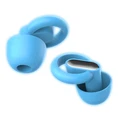


When it comes to menstrual hygiene, period cups have emerged as a popular and eco - friendly alternative to traditional sanitary products. Alongside period cups, period cup sanitizers play a crucial role in maintaining their cleanliness and safety for reuse. As a period cup sanitizer supplier, I understand the importance of proper storage for these sanitizers. In this blog, I'll share some insights on how to store a period cup sanitizer effectively.
Understanding the Nature of Period Cup Sanitizers
Before delving into storage methods, it's essential to understand what period cup sanitizers are and how they work. Most period cup sanitizers are designed to eliminate bacteria, viruses, and other harmful microorganisms that may accumulate on the cup during use. They come in various forms, such as liquid solutions, tablets, and electronic devices.
Liquid sanitizers usually contain antibacterial agents like hydrogen peroxide or alcohol. These substances break down the cell walls of microorganisms, effectively killing them. Tablets often work in a similar way, dissolving in water to create a sanitizing solution. Electronic sanitizers, on the other hand, may use UV - light technology to destroy the DNA of bacteria and viruses, rendering them inactive.
Factors Affecting Storage
Several factors need to be considered when storing period cup sanitizers. These include temperature, humidity, light exposure, and the presence of contaminants.
- Temperature: Extreme temperatures can affect the efficacy of period cup sanitizers. High temperatures can cause the active ingredients in liquid sanitizers to evaporate or break down, reducing their sanitizing power. For example, if a liquid sanitizer containing alcohol is stored in a hot environment, the alcohol may evaporate over time, leaving the solution less effective. On the other hand, freezing temperatures can cause the liquid to expand and potentially damage the container. Electronic sanitizers also have specific temperature ranges within which they operate optimally. Storing them in an environment that is too hot or cold can lead to malfunctions.
- Humidity: High humidity can lead to moisture buildup in the storage area. This is particularly problematic for tablet sanitizers, as moisture can cause the tablets to clump together or dissolve prematurely. For liquid sanitizers, humidity can also affect the integrity of the container, leading to leaks or corrosion.
- Light Exposure: Ultraviolet (UV) light can break down the active ingredients in some period cup sanitizers. Liquid sanitizers that are sensitive to light should be stored in opaque containers or in a dark place to prevent degradation. Electronic sanitizers that use UV - light for sanitization should also be protected from direct sunlight when not in use, as excessive light exposure can damage their internal components.
- Contaminants: The storage area should be clean and free from contaminants. Dust, dirt, and other particles can contaminate the sanitizer, reducing its effectiveness. Additionally, storing the sanitizer near chemicals or strong - smelling substances can cause cross - contamination and affect the quality of the product.
Recommended Storage Methods
Liquid Sanitizers
- Keep in a Cool, Dark Place: Store liquid period cup sanitizers in a cabinet or drawer away from direct sunlight and heat sources. A bathroom cabinet is a suitable location, as long as it is not near the shower or bathtub where humidity levels are high.
- Seal the Container Tightly: Make sure the cap or lid of the liquid sanitizer container is tightly sealed to prevent evaporation and contamination. If the container has a dropper or pump, ensure that it is also properly closed.
- Check for Expiration Dates: Liquid sanitizers have expiration dates, and it's important to check them regularly. Using an expired sanitizer may not provide adequate protection against bacteria and viruses.
Tablet Sanitizers
- Store in a Dry Container: Keep tablet sanitizers in their original packaging or in a dry, airtight container. This will prevent moisture from reaching the tablets and causing them to clump or dissolve.
- Avoid Crushing the Tablets: Be careful when handling tablet sanitizers to avoid crushing them. A crushed tablet may not dissolve properly in water, reducing its sanitizing effectiveness.
- Keep Away from Moisture - Prone Areas: Do not store tablet sanitizers in the bathroom near the sink or in a damp basement. Choose a dry location, such as a pantry or a storage closet.
Electronic Sanitizers
- Store in a Clean, Dust - Free Environment: Electronic period cup sanitizers should be stored in a clean place to prevent dust and dirt from entering the device. You can use a protective case or cover when the sanitizer is not in use.
- Unplug When Not in Use: To prevent electrical hazards and save energy, unplug the electronic sanitizer from the power source when it is not being used.
- Follow Manufacturer's Instructions: Each electronic sanitizer may have specific storage requirements. It's important to read and follow the manufacturer's instructions carefully.
Benefits of Proper Storage
Proper storage of period cup sanitizers offers several benefits. Firstly, it ensures the longevity of the product. By storing the sanitizer under the right conditions, you can extend its shelf life and maintain its effectiveness over time. This means that you can use the sanitizer for a longer period without having to replace it frequently, saving you money in the long run.
Secondly, proper storage helps to maintain the safety of the period cup. A well - stored sanitizer will effectively eliminate harmful microorganisms from the cup, reducing the risk of infections and other health problems. This is especially important for women who are more susceptible to vaginal infections or other menstrual - related health issues.
Finally, proper storage also contributes to environmental sustainability. By using period cups and sanitizers effectively and for a longer period, we can reduce the amount of waste generated from disposable sanitary products. This is in line with the growing trend towards eco - friendly menstrual hygiene solutions.
Related Products and Their Storage
In addition to period cup sanitizers, there are other related products that also require proper storage. For example, Ultrasonic Cleaners can be used to clean period cups more thoroughly. These cleaners use high - frequency sound waves to remove dirt and debris from the cup. When storing ultrasonic cleaners, similar factors such as temperature, humidity, and dust should be considered. They should be stored in a dry place, away from direct sunlight and heat sources.

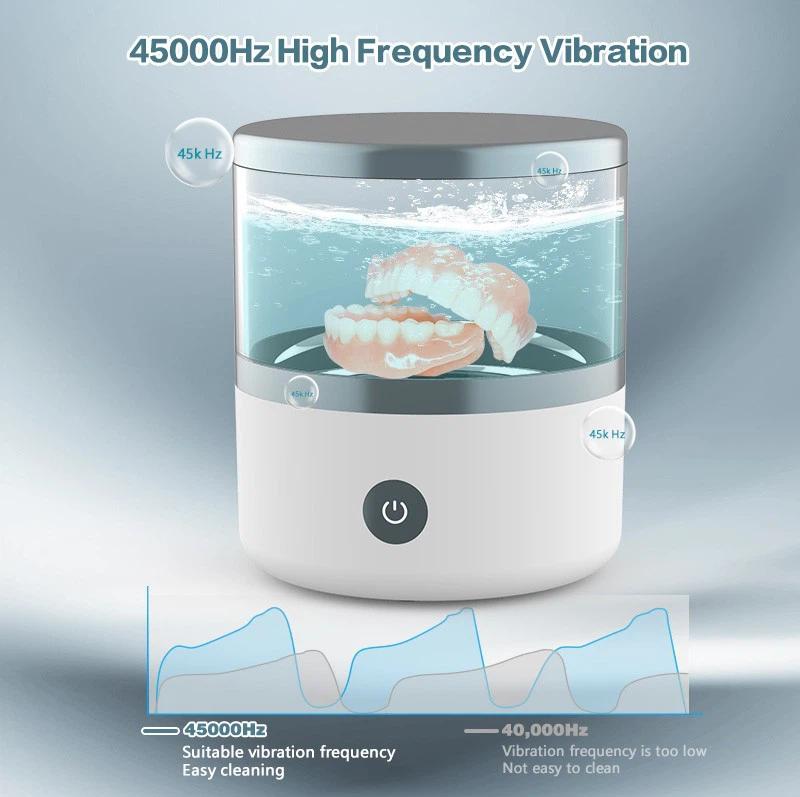
Another related product is the Electric Flosser for Sensitive Gum. Although it is not directly related to period cup hygiene, maintaining good oral hygiene is an important part of overall health. Electric flossers should be stored in a clean and dry area, and the water reservoir should be emptied after each use to prevent the growth of bacteria.
Best Dental Floss Picks are also commonly used for oral hygiene. They should be stored in a cool, dry place to prevent the floss from becoming brittle or contaminated.
Contact for Purchase and Consultation
As a period cup sanitizer supplier, I am committed to providing high - quality products and excellent customer service. If you are interested in purchasing our period cup sanitizers or have any questions about storage or usage, please feel free to contact us. We are always ready to assist you in finding the best solutions for your menstrual hygiene needs. Whether you are a retailer looking to stock our products or an individual consumer, we welcome your inquiries.
References
- "Menstrual Hygiene Management: A Global Review." World Health Organization.
- "Period Cups: A Sustainable and Hygienic Alternative." Journal of Women's Health.
- Manufacturer's manuals for period cup sanitizers, ultrasonic cleaners, electric flossers, and dental floss picks.