


Waking up abruptly to a blaring, high-decibel acoustic alarm clock triggers acute autonomic arousal, elevating morning heart rate and inducing prolonged sleep inertia. For individuals seeking a calm, physiological transition from sleep to wakefulness, smart wake-up pillows offer an innovative sensory solution. By integrating localized haptic micro-vibrations, gradual sunrise illumination, and smart acoustic soundscapes directly into an ergonomic cervical cushion, these devices awaken the sleeper naturally without startling bed partners or jarring groggy neural circuits.
However, configuring a multifunction electronic pillow can sometimes seem confusing for new users and wholesale buyers unfamiliar with integrated touch interfaces. Whether using standalone tactile controls or a companion smartphone application, mastering your smart pillow's settings ensures optimal sleep hygiene and dependable morning reliability. As an established OEM/ODM developer of precision sleep wellness appliances and smart home electro-acoustics, Gold Rose provides this step-by-step configuration guide, examining haptic wake physics, tactile control protocols, dual-alarm scheduling, and private-label hardware standards.
The Neurobiology of Waking: Why Haptic Pillows Outperform Acoustic Alarms
Overcoming Sleep Inertia Through Tactile Somatosensory Cues
Sleep inertia is the physiological state of impaired cognitive and sensory-motor performance immediately following awakening, often persisting from fifteen minutes to more than an hour. Conventional audio alarms emit sudden, sharp acoustic spikes between 75 and 90 decibels, triggering a sympathetic fight-or-flight surge that elevates systemic cortisol and blood pressure. In contrast, smart wake-up pillows utilize rhythmic, low-frequency mechanical oscillations transmitted through the pillow surface to engage the body's mechanoreceptors-specifically Pacinian and Meissner corpuscles located in the skin and subcutaneous tissues of the neck and skull. This gentle somatosensory activation stimulates the ascending reticular activating system (ARAS) in the brainstem, guiding the sleeper progressively out of slow-wave sleep without provoking cardiovascular distress.
Bed-Partner Acoustic Isolation and Dual-Sleep Schedules
A persistent friction point in modern households is mismatched morning schedules between co-sleepers. When one partner must awaken at 5:30 AM for an early shift while the other sleeps until 7:30 AM, a traditional acoustic alarm clock unavoidably disrupts both individuals, causing chronic sleep fragmentation for the bed partner. Smart haptic pillows resolve this shared-bedroom dilemma through acoustic isolation. Because the mechanical vibration is absorbed primarily by the user's cranium and cervical tissues, the wake cue remains virtually silent to anyone outside the immediate pillow perimeter, preserving domestic harmony and uninterrupted sleep cycles.
Step-by-Step Guide: How to Set the Alarm Using On-Device Controls
Step 1: Pre-Configuration Battery Charging and Power Verification
Before initiating any programming sequence, the internal power cell must possess adequate reserve to prevent memory resets during setup. Connect the provided USB Type-C charging cable to the recessed power port on the lateral edge of the pillow casing and plug it into a 5V/2A power adapter for at least two hours. Observe the lateral LED status indicator: an intermittent blinking illumination indicates active charging, whereas a continuous solid illumination confirms a 100% full charge. Disconnect the charging lead after charging is complete, ensuring the magnetic sealing flap is securely closed over the port to maintain a smooth, plush surface.
Step 2: Entering Alarm Setup Mode via the Primary Control Interface
Locate the discreet, three-button tactile control panel embedded beneath the upper seam of the pillow. The interface features three distinct embossed icons: the Sun Button (alarm configuration), the Moon Button (sleep mode and manual test), and the Plus/Minus adjustment rocker. Press and hold the Sun Button continuously for three seconds until an audible confirmation tone sounds and the digital hour digits begin to flash on the hidden-until-lit LED display. This blinking state indicates that the internal microcontroller has entered the active alarm-setting state.
Step 3: Calibrating the Target Hour and Minute Registers
With the digital clock display in programming mode, press the Plus (+) or Minus (-) buttons to cycle through the hour values. The system operates on a standard 12-hour AM/PM format, indicated by a discrete morning/afternoon icon on the display bezel, so verify that the correct meridian is selected. Once the desired hour is displayed, press the Sun Button once to confirm the hour and toggle directly to the minute register. Use the Plus and Minus controls to set the precise target minute, and press the Sun Button a second time to lock in the numerical time.
Step 4: Calibrating the Haptic Vibration Intensity Level
Following minute confirmation, the LED display will transition to the haptic vibration selection menu, represented by a pulsing vibration icon and a numeral from 1 to 3. Intensity Level 1 delivers a soft, rhythmic micro-pulsation ideal for light sleepers, children, or users pairing the unit with memory foam cushions. Intensity Level 2 provides a balanced, medium-amplitude oscillation suited for the majority of adult users, while Intensity Level 3 generates an assertive, high-frequency haptic stroke designed to awaken deep sleepers and individuals with mild hearing impairment. Toggle between levels using the adjustment buttons, and press the Sun Button once more to lock in your preferred intensity.
Step 5: Finalizing Setup and Executing the Sensory Test Protocol
To save all selected parameters and arm the system, press the Sun Button one final time; the unit will emit two short confirmation beeps, and the display will return to standard standby mode with a steady alarm icon illuminated. To verify mechanical operation before going to sleep, execute a quick sensory test by double-clicking the Moon Button. The pillow core will activate a three-second demonstration vibration at your selected intensity, allowing you to feel the haptic feedback firsthand and confirm that the alarm is fully armed and responsive.
Advanced Configurations: Dual Alarms, App Synchronization, and Maintenance
Configuring Dual Independent Alarms for Complex Workweeks
For users who manage shifting schedules, train for morning athletics, or require separate weekday and weekend wake windows, modern smart pillows accommodate dual independent alarms. After locking in Alarm 1, immediately press and hold the Sun Button for five seconds until the display reads "AL-2." Follow the identical sequence of hour, minute, and haptic intensity calibration to establish your secondary profile. When armed, both alarm indicators remain visible on the standby display, ensuring seamless execution across diverse weekly routines without requiring nightly reprogramming.
Bluetooth App Pairing and Dynamic Sunrise Integration
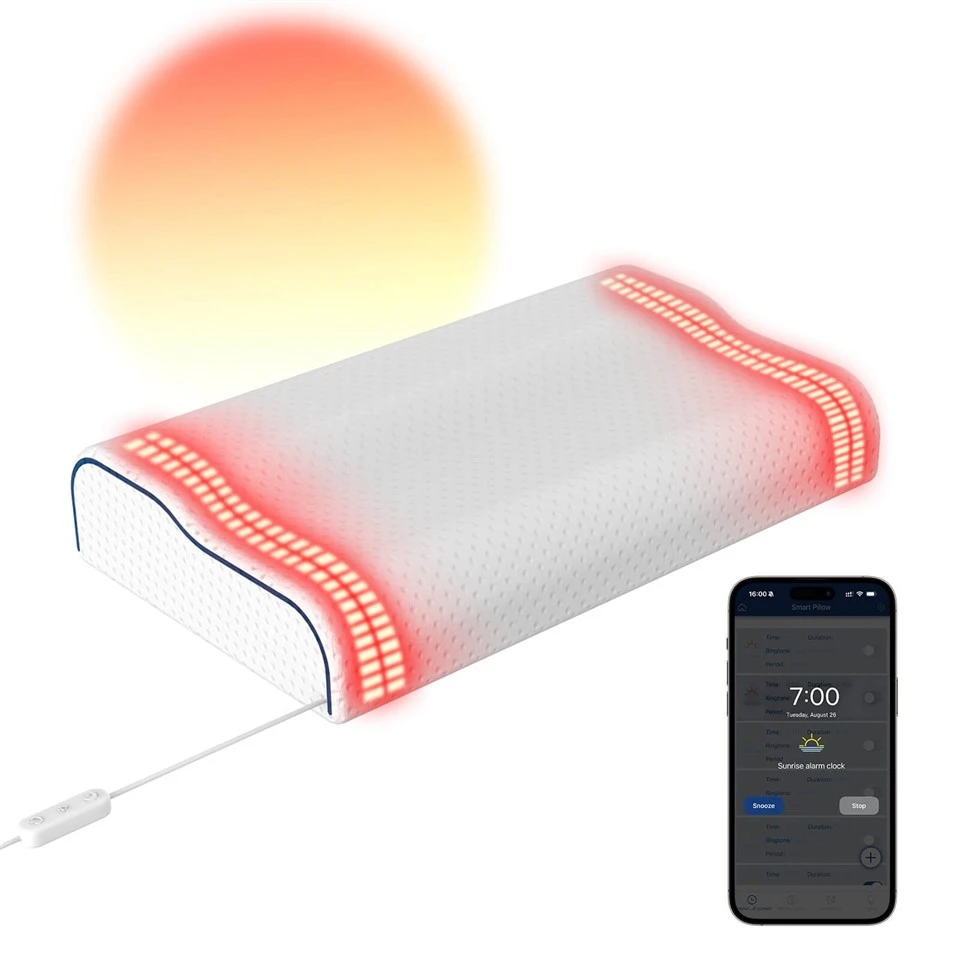
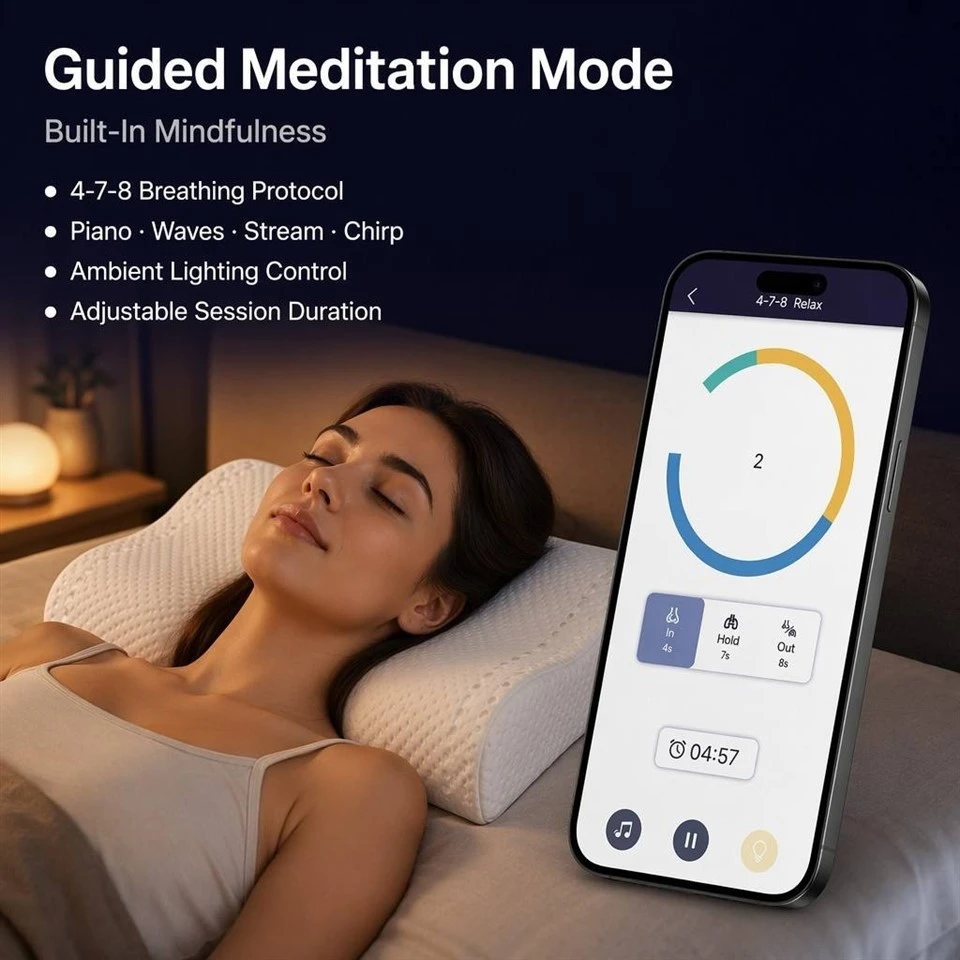
While standalone on-device buttons provide complete offline functionality, smart pillows equipped with Bluetooth Low Energy (BLE) offer expanded customization through dedicated mobile applications. In the companion app, users can synchronize the pillow clock with international network time, establish recurring calendar schedules, and program gradual sunrise dawn simulation sequences. When sunrise simulation is activated, internal diffused LED panels brighten incrementally over a 20-minute window preceding the physical haptic alarm, simulating natural dawn and optimizing neuroendocrine awakening.
Troubleshooting False Triggers, Inadvertent Power-Downs, and Fabric Care
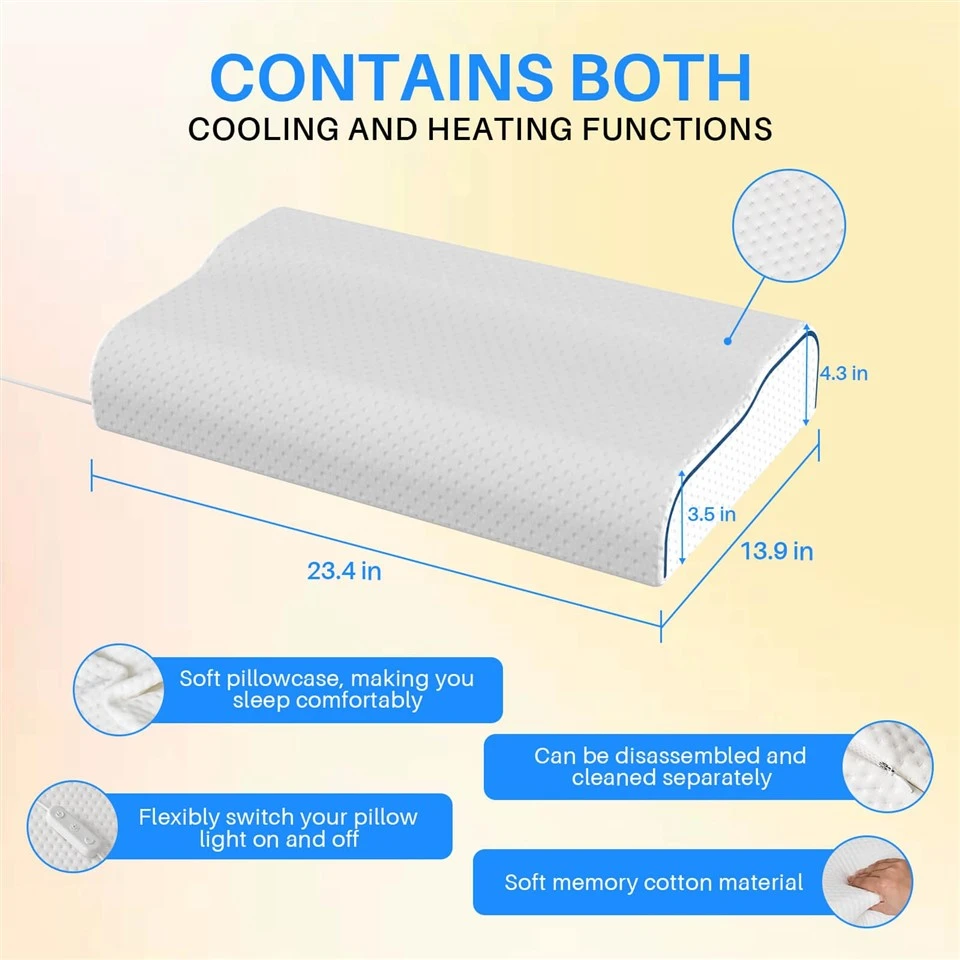
If the pillow appears unresponsive or the LED display goes dark unexpectedly, the user may have inadvertently triggered the master sleep-lock mode by holding the Sun Button for more than eight seconds. To release the master lock, simply press and hold the Moon Button for four seconds until the display reilluminates and restores all saved alarm presets. When laundering, always unzip the outer hypoallergenic pillowcase and remove it completely before washing; the internal electronic memory foam core contains precision haptic motors, wiring harnesses, and battery modules that must never be submerged in water or machine washed.
Gold Rose OEM/ODM Engineering: Intelligent Smart Pillow Platforms
As a specialized OEM/ODM manufacturer with extensive expertise in consumer health, acoustic engineering, and smart home wellness appliances, Gold Rose provides turnkey manufacturing solutions for private-label sleep brands, hospitality groups, and healthcare distributors. Gold Rose smart wake-up pillows combine high-resilience ergonomic memory foam, calibrated low-noise haptic motors, full-spectrum dawn simulation diffusers, and intuitive tactile interfaces into cohesive, market-ready platforms. Every device is engineered to support seamless switching between standalone offline control and advanced BLE app connectivity.
Operating under certified ISO 13485 medical-grade quality management systems, Gold Rose ensures that all electronic bedding platforms satisfy rigorous international compliance, including FCC electromagnetic compatibility, CE, RoHS, and OEKO-TEX Standard 100 textile safety certifications. Supported by in-house electronic R&D, advanced textile cut-and-sew workshops, and comprehensive private-label packaging design, Gold Rose empowers global B2B clients to expand their catalogs with high-margin, clinically validated smart sleep appliances.
Frequently Asked Questions
Q1: Will the alarm vibration on a smart wake-up pillow wake my partner sleeping next to me?
No, the localized haptic motors in a smart wake-up pillow are calibrated to transmit mechanical oscillations directly to the user's head and neck without radiating through the mattress. Because the vibration operates with minimal acoustic noise, it awakens the user while leaving their bed partner completely undisturbed.
Q2: How long does the internal battery last before needing to be recharged?
Under normal usage of one haptic alarm cycle per day, the high-efficiency lithium-ion battery in a Gold Rose wake-up pillow delivers between fourteen and twenty-one days of continuous standby and operation. The unit recharges fully in approximately two hours via any standard 5V USB Type-C cable.
Q3: Can I turn off the alarm without opening my eyes or using an app in the morning?
Yes, users can silence the active alarm instantly by pressing any single button on the lateral edge or by tapping the designated touch-sensitive snooze pad embedded near the top edge of the pillow. Tapping the snooze zone provides a nine-minute gentle delay, while holding any button for two seconds dismisses the alarm entirely.
Q4: Does Gold Rose manufacture private-label wake-up pillows for commercial brands?
Yes, Gold Rose provides complete OEM/ODM manufacturing of smart wake-up pillows, offering custom memory foam formulations, bespoke button layouts, tailored mobile app integrations, and certified international electronics compliance. Global distributors and consumer brands can explore technical specifications and private-label programs directly through goldrosa.com.
Q5: What happens if the pillow runs out of battery during the night?
To prevent missed alarms, smart pillows feature a low-battery protection threshold that sounds a discreet warning chime when battery levels drop below 15%. If the battery is depleted entirely, the non-volatile internal memory retains all scheduled alarm times and user preferences as soon as the pillow is reconnected to power.
References
Sleep Foundation. (2023). Understanding Sleep Inertia and the Impact of Alarm Sounds on Morning Alertness. Sleep Health Publishing. https://www.sleepfoundation.org/how-sleep-works/sleep-inertia
Journal of Sleep Research. (2022). Comparative Analysis of Auditory versus Somatosensory Awakening Stimuli in Sleep Architecture and Autonomic Arousal. European Sleep Research Society.
National Institute of Neurological Disorders and Stroke. (2023). Brain Basics: Understanding Sleep and Circadian Mechanisms. National Institutes of Health. https://www.ninds.nih.gov/health-information/public-education/brain-basics-understanding-sleep
International Electrotechnical Commission. (2021). IEC 60601-1: Medical Electrical Equipment - General Requirements for Basic Safety and Essential Performance in Home Healthcare Environments. IEC Standards.
Gold Rose. Precision Smart Bedding Platforms and OEM/ODM Sleep Technology Solutions. https://www.goldrosa.com/smart-pillows/