


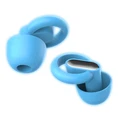


When it comes to addressing the needs of individuals with a history of ear infections seeking the best hearing aids, several crucial factors need to be carefully considered. As a leading supplier of high - quality hearing aids, we have in - depth knowledge of the market and understand the specific requirements of this particular group of users.
Understanding the Impact of Ear Infections on Hearing Aid Selection
Ear infections can significantly affect the choice of hearing aids. For those who have suffered from infections, their ear canals may be more sensitive and prone to irritation. This is because the inflammation associated with ear infections can thin the skin of the ear canal and make it more vulnerable to the foreign materials and pressure that hearing aids exert. Moreover, the presence of fluid buildup during an ear infection can interfere with the proper functioning of hearing aids. Traditional ear - mold based hearing aids may seal the ear canal more tightly, which could potentially trap moisture and increase the risk of a recurrence of the infection.
Key Features to Look for in Hearing Aids for Ear - Infection Prone Users
- Ventilation Design:
Proper ventilation is vital. Hearing aids with well - designed vents allow air to circulate in the ear canal. This reduces the buildup of moisture and heat, creating an environment less conducive to the growth of bacteria and fungi that cause ear infections. Many modern hearing aids now come with adjustable vents, which can be customized according to the user's needs and the condition of their ear canals. For example, users who experience excessive sweating or have a history of frequent ear infections may benefit from larger vents. - Moisture Resistance:
Since moisture is a common trigger for ear infections, moisture - resistant hearing aids are highly recommended. These hearing aids are typically coated with special materials that prevent water and sweat from penetrating the internal components. Some models even have a hydrophobic design, which means they can repel water on contact. This not only helps in reducing the risk of infections but also prolongs the lifespan of the hearing aids. - Soft and Hypoallergenic Materials:
To minimize irritation in the sensitive ear canals of those with a history of ear infections, hearing aids should be made from soft and hypoallergenic materials. Silicone and certain types of medical - grade plastics are commonly used due to their gentle nature on the skin. They are less likely to cause allergic reactions or discomfort, even with prolonged use.
Top Hearing Aid Models for People with a History of Ear Infections
- Model A:
This hearing aid stands out for its innovative ventilation system. It features multiple small vents that are strategically placed to ensure optimal air circulation. The design also allows for easy cleaning, which is essential in preventing the accumulation of debris and bacteria. The外壳 is made of a soft, hypoallergenic silicone that is comfortable to wear for long periods. It has excellent moisture - resistance properties, making it suitable for users who are active and prone to sweating. - Model B:
Model B is known for its advanced moisture - protection technology. The internal components are sealed with a special waterproof coating, which can withstand splashes of water and humidity. It also has a unique ear tip design that provides a loose fit, allowing air to flow freely in the ear canal. This reduces the pressure on the ear and minimizes the chances of irritation. The materials used in Model B are carefully selected to be non - allergenic, ensuring a safe and comfortable experience for users.
The Role of User Maintenance in Infection Prevention
Even with the best - designed hearing aids, proper user maintenance is crucial for preventing ear infections. Regular cleaning of the hearing aids is necessary to remove earwax, dust, and other contaminants. Users should follow the manufacturer's instructions for cleaning, which usually involve using a soft brush or a special cleaning solution. In addition, it is important to let the hearing aids dry completely before wearing them again. Some users may also consider using a dehumidifier or a drying kit to ensure the internal components are dry and free of moisture.
Comparison with Other Related Ear - Health Products
While we are focused on hearing aids, it's worth mentioning other products that can contribute to overall ear and oral health. For example, Electric Flossing is an excellent way to maintain good oral hygiene, which has a more direct impact on overall health and indirectly on ear health as well. Similarly, Tooth Flosser Electric offers an efficient and convenient way to clean teeth and gums. And for those with dentures, Denture Ultrasonic Plaque Remover can help keep dentures clean and free of bacteria, reducing the risk of infections that could potentially spread.
How to Make the Right Choice
Selecting the best hearing aid for a person with a history of ear infections is not a one - size - fits - all process. It is advisable to consult with an audiologist or a hearing healthcare professional. They can conduct a thorough examination of the ear, assess the degree of hearing loss, and take into account the individual's history of ear infections. Based on this information, they can recommend the most suitable hearing aid model and provide guidance on proper use and maintenance.


Our Commitment as a Supplier
As a leading supplier of hearing aids, we are committed to providing the highest - quality products and services. We work closely with top manufacturers to ensure that our hearing aids meet the strictest standards of quality and safety. Our team of experts is always available to answer any questions and provide personalized advice to our customers. We understand the unique challenges faced by those with a history of ear infections and are dedicated to helping them find the best hearing solution.
Contact Us for Purchase and Consultation
If you or someone you know is in need of a high - quality hearing aid, especially if there is a history of ear infections, we invite you to reach out to us. Our experienced sales team is ready to assist you with the selection process. We can provide detailed product information, arrange for demonstrations, and help you find the most suitable hearing aid to meet your specific needs.
References
- American Academy of Otolaryngology - Head and Neck Surgery. (2023). Clinical Practice Guideline: Otitis Media with Effusion.
- National Institute on Deafness and Other Communication Disorders. (2022). Hearing Aids: How to Choose.
- Audiology Now. (2023). Best Practices for Fitting Hearing Aids in Patients with a History of Ear Infections.