




People with a history of head injuries often face unique challenges when it comes to hearing loss. Head trauma can damage the delicate structures of the inner ear, auditory nerve, or other parts of the auditory system, leading to various degrees and types of hearing impairment. As a leading supplier of best hearing aids, we understand the complexity of these issues and are committed to providing the most suitable solutions for this specific group of individuals.


Understanding Hearing Loss After Head Injuries
Hearing loss following a head injury can manifest in different forms. Conductive hearing loss may occur if there is damage to the outer or middle ear, such as a perforated eardrum or damage to the small bones (ossicles) in the middle ear. Sensorineural hearing loss, on the other hand, is more likely when the inner ear or the auditory nerve is affected. This type of hearing loss is often permanent and can range from mild to profound.
In some cases, head injuries can also cause tinnitus, a ringing, buzzing, or hissing sound in the ears. Tinnitus can be extremely distressing and may exacerbate the problems associated with hearing loss. Additionally, individuals with a history of head injuries may experience balance problems, which can further complicate the use of hearing aids.
Factors to Consider When Choosing Hearing Aids for Head - Injury Survivors
When selecting hearing aids for people with a history of head injuries, several factors need to be taken into account.
1. Type and Degree of Hearing Loss
The first step is to accurately diagnose the type and degree of hearing loss. A comprehensive audiological evaluation, including pure - tone audiometry, speech audiometry, and tympanometry, is essential. Based on the results, the appropriate type of hearing aid can be chosen. For example, for mild to moderate conductive hearing loss, a behind - the - ear (BTE) hearing aid with a custom earmold may be suitable. In cases of sensorineural hearing loss, more advanced digital hearing aids with features like noise reduction and feedback cancellation may be required.
2. Comfort and Fit
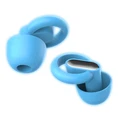
Given the potential for balance problems and sensitivity after a head injury, the comfort and fit of the hearing aid are crucial. A poorly fitting hearing aid can cause discomfort, skin irritation, and may even affect balance. Custom - made earmolds or earpieces can provide a more secure and comfortable fit. You can find a wide range of Earpieces For Hearing Aids on our website, which are designed to ensure maximum comfort and stability.
3. Durability
Head - injury survivors may be more prone to accidental drops or impacts. Therefore, the durability of the hearing aid is an important consideration. Hearing aids with a robust design and shock - resistant features are preferable. Some modern hearing aids are also water - resistant, which can be beneficial in case of sweating or accidental exposure to moisture.
4. Special Features
Certain special features can be particularly useful for people with a history of head injuries. For example, hearing aids with tinnitus masking capabilities can help alleviate the symptoms of tinnitus. Some advanced hearing aids also have motion sensors that can adjust the sound settings based on the user's activity level, which can be helpful for those with balance issues.
5. Ease of Use
Many head - injury survivors may have cognitive or motor difficulties. Therefore, hearing aids that are easy to operate, with simple controls and intuitive programming, are highly desirable. Over - the - counter (OTC) hearing aids can be a good option in some cases, as they are often more user - friendly. You can explore our Professional OTC Hearing Assistance Devices for a range of easy - to - use solutions.
Best Hearing Aid Options for Head - Injury Survivors
1. Behind - the - Ear (BTE) Hearing Aids
BTE hearing aids are a popular choice for people with a history of head injuries. They are relatively easy to handle and can accommodate a wide range of hearing losses. The BTE style consists of a small plastic case that sits behind the ear, connected to an earmold or earpiece that fits inside the ear canal. These hearing aids are often more durable and can be adjusted more easily than other styles. They also offer the option of using a larger battery, which provides longer battery life.
2. In - the - Ear (ITE) and In - the - Canal (ITC) Hearing Aids
ITE and ITC hearing aids are custom - made to fit inside the ear. They are more discreet than BTE hearing aids and can be a good option for individuals who prefer a less visible device. However, they may be more difficult to handle for those with motor difficulties. The smaller size also means that they may have fewer features and a shorter battery life compared to BTE hearing aids.
3. Over - the - Counter (OTC) Hearing Aids
OTC hearing aids have become a popular alternative in recent years. They are generally more affordable and can be purchased without a prescription. Lively OTC Hearing Aids are a great option for people with mild to moderate hearing loss. They often come with simple controls and can be self - adjusted to some extent. However, it is important to note that OTC hearing aids may not be suitable for all types and degrees of hearing loss, especially those resulting from head injuries.
Our Role as a Best Hearing Aid Supplier
As a leading supplier of best hearing aids, we are dedicated to providing high - quality products and personalized solutions for people with a history of head injuries. Our team of audiologists and hearing aid specialists has extensive experience in dealing with the unique needs of this population.
We offer a wide range of hearing aids from top - tier manufacturers, ensuring that we can meet the diverse requirements of our customers. Our products are backed by comprehensive after - sales support, including hearing aid maintenance, repair, and adjustment services.
In addition, we understand the importance of education and counseling for head - injury survivors and their families. We provide detailed information about hearing loss, hearing aid options, and how to use and care for the devices. Our goal is to empower our customers to make informed decisions about their hearing health.
Contact Us for Procurement and Consultation
If you or someone you know has a history of head injuries and is in need of hearing aids, we are here to help. Our team of experts can guide you through the process of choosing the best hearing aids based on your specific needs. We invite you to contact us for a free consultation and to discuss your procurement options. Whether you are a healthcare provider looking to supply hearing aids to your patients or an individual seeking a solution for yourself, we are committed to providing the best possible service.
References
- American Academy of Audiology. (2023). Clinical Practice Guidelines for the Diagnosis, Treatment, and Management of Hearing Loss in Adults.
- National Institute on Deafness and Other Communication Disorders. (2022). Head Injury and Hearing Loss.
- World Health Organization. (2021). World Report on Hearing.