




Auditory processing disorder (APD), also known as central auditory processing disorder (CAPD), is a condition where the brain has difficulty processing auditory information despite normal hearing sensitivity. People with APD often struggle to understand speech, especially in noisy environments, follow instructions, and distinguish between similar sounds. Hearing aids can play a crucial role in improving the auditory experience for individuals with APD. As a leading supplier of best hearing aids, I'm here to share insights on the most suitable options for those dealing with this disorder.
Understanding the Needs of People with APD
Before delving into the best hearing aids, it's essential to understand the specific challenges faced by people with APD. These individuals may have trouble filtering out background noise, localizing sounds, and processing rapid changes in speech. Therefore, the ideal hearing aids should be equipped with features that address these issues, such as advanced noise reduction, directional microphones, and customizable settings.
Key Features to Look for in Hearing Aids for APD
- Advanced Noise Reduction: This feature helps to minimize background noise, making it easier for the wearer to focus on speech. Modern hearing aids use sophisticated algorithms to distinguish between speech and noise and amplify only the relevant sounds.
- Directional Microphones: Directional microphones can be adjusted to focus on sounds coming from a specific direction, such as the person speaking in front of the wearer. This helps to improve speech clarity in noisy environments.
- Customizable Settings: Every person with APD has unique hearing needs. Therefore, hearing aids with customizable settings allow for personalized adjustments based on the individual's specific auditory profile.
- Feedback Cancellation: Feedback, or the whistling sound that can occur when the hearing aid's sound leaks out and re - enters the microphone, can be a significant annoyance. Hearing aids with effective feedback cancellation technology can prevent this problem.
- Wireless Connectivity: Many new - generation hearing aids offer wireless connectivity to smartphones, televisions, and other audio devices. This allows users to stream audio directly to their hearing aids, enhancing the listening experience.
Best Hearing Aids for APD
Behind - the - Ear (BTE) Hearing Aids
BTE hearing aids are a popular choice for people with APD. They consist of a small plastic case that sits behind the ear, connected to an earpiece or earmold that fits inside the ear canal.
- Advantages: BTE hearing aids are suitable for all ages and levels of hearing loss. They are relatively easy to handle and maintain, making them a great option for children and the elderly. They also offer a wide range of features, including powerful amplification and advanced noise reduction.
- Disadvantages: Some users may find BTE hearing aids a bit bulky, especially for cosmetic reasons. However, modern designs are becoming more discreet and comfortable.
Receiver - in - Canal (RIC) Hearing Aids
RIC hearing aids are similar to BTE hearing aids, but the speaker (receiver) is located inside the ear canal instead of in the case behind the ear.
- Advantages: RIC hearing aids are more discreet than BTE hearing aids and offer excellent sound quality. They are also very comfortable to wear and can be customized to fit the individual's ear shape.
- Disadvantages: The receiver may need to be replaced more frequently than other components, and the thin wire connecting the receiver to the case behind the ear can be delicate.
In - the - Ear (ITE) Hearing Aids
ITE hearing aids are custom - made to fit inside the outer ear. They are less visible than BTE hearing aids and offer a good balance between comfort and functionality.
- Advantages: ITE hearing aids are relatively easy to handle and can be adjusted to fit the user's specific hearing needs. They also have a relatively large battery, which means longer battery life.
- Disadvantages: They may not be suitable for severe hearing loss, and some users may find them uncomfortable to wear for long periods.
Self - Fitting Hearing Aids
Self - fitting hearing aids are a new option that allows users to adjust the settings of their hearing aids themselves, without the need for a professional fitting. Self Fitting Hearing Aids can be a convenient and cost - effective solution for people with APD.
- Advantages: Self - fitting hearing aids offer more flexibility and control for the user. They can be adjusted to suit different listening environments and personal preferences. They are also generally more affordable than traditional hearing aids.
- Disadvantages: Without professional guidance, users may not be able to optimize the settings of their hearing aids, which could lead to suboptimal performance.
Earpieces For Hearing Aids
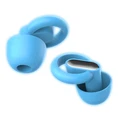
The right earpiece can significantly improve the comfort and performance of hearing aids. Earpieces For Hearing Aids come in a variety of shapes, sizes, and materials, each with its own advantages.
- Silicone Earpieces: Silicone earpieces are soft and comfortable to wear. They also provide a good seal, which helps to prevent sound leakage and feedback.
- Foam Earpieces: Foam earpieces are disposable and can be replaced regularly to maintain hygiene. They are also very comfortable and can conform to the shape of the ear canal.
Hearing Amplifier for Elderly People
Elderly people with APD may benefit from Hearing Amplifier for Elderly People. These devices are designed to amplify sounds and can be a more affordable alternative to traditional hearing aids.
- Advantages: Hearing amplifiers are easy to use and can provide a significant improvement in hearing. They are also relatively inexpensive and do not require a prescription.
- Disadvantages: Unlike hearing aids, hearing amplifiers are not customized to the user's specific hearing loss. Therefore, they may not provide the same level of precision and quality as traditional hearing aids.
Choosing the Right Hearing Aid
When choosing a hearing aid for someone with APD, it's important to consider the individual's specific needs, preferences, and budget. It's also advisable to consult with a hearing healthcare professional who can conduct a comprehensive hearing evaluation and provide personalized recommendations.
At our company, we offer a wide range of high - quality hearing aids that are suitable for people with APD. Our team of experts is dedicated to helping you find the best solution for your hearing needs. We understand that every individual is unique, and we take the time to understand your specific situation to provide the most appropriate hearing aid.


Contact Us for Procurement
If you're interested in learning more about our best hearing aids for people with auditory processing disorder or if you're ready to make a purchase, we encourage you to contact us for procurement洽谈. Our knowledgeable sales team is available to answer your questions, provide detailed product information, and assist you in the decision - making process. Whether you're a healthcare provider looking to stock our products or an individual in need of a hearing aid, we're here to serve you.
References
American Speech - Language - Hearing Association. (n.d.). Auditory Processing Disorder. Retrieved from the ASHA website.
John Wiley & Sons, Inc. (2019). Handbook of Clinical Audiology.
Remember, finding the right hearing aid can make a significant difference in the quality of life for people with APD. With our wide selection of products and expert advice, we're confident that we can help you find the perfect solution.