





Oral care is a fundamental aspect of maintaining overall health, and brushing teeth is the cornerstone of this routine. However, like many good things in life, over - doing it can lead to unintended consequences. As an oral care supplier, I've witnessed firsthand the importance of proper oral hygiene and the potential pitfalls of over - brushing. In this blog, we'll explore the side - effects of over - brushing for oral care and why moderation is key.
1. Enamel Erosion
Tooth enamel is the hard, outer layer of our teeth that protects them from decay and damage. It is the body's hardest substance, but it is not indestructible. Over - brushing, especially with a hard - bristled toothbrush or using excessive force, can gradually wear away the enamel.
When enamel is eroded, the teeth become more sensitive to hot, cold, sweet, and acidic foods and drinks. This sensitivity occurs because the underlying dentin, which contains tiny tubules that lead to the nerve of the tooth, is exposed. Over time, enamel erosion can also make the teeth more prone to cavities and fractures.
A study published in the Journal of Clinical Dentistry found that aggressive brushing techniques were a significant contributing factor to enamel wear. Patients who brushed too hard or for too long often showed signs of enamel loss, especially on the chewing surfaces and the sides of the teeth near the gums.
2. Gum Recession
Gums play a crucial role in supporting the teeth and protecting the roots. Over - brushing can cause the gums to recede, which means they pull away from the teeth, exposing the roots. This not only makes the teeth look longer but also increases the risk of tooth sensitivity and decay.
The roots of the teeth do not have the same protective enamel as the crowns, so they are more vulnerable to damage. Once the gums recede, bacteria can easily accumulate in the exposed areas, leading to gum disease and tooth loss. Additionally, gum recession can be aesthetically unpleasing, causing a person to feel self - conscious about their smile.
Research in the field of periodontology has shown that improper brushing habits, including over - brushing, are one of the leading causes of gum recession. Dentists often recommend using a soft - bristled toothbrush and gentle brushing motions to prevent damage to the gums.
3. Tooth Abrasion
In addition to enamel erosion and gum recession, over - brushing can cause tooth abrasion. Abrasion refers to the wearing away of the tooth structure due to mechanical forces, such as brushing. This can result in notches or grooves forming on the teeth, especially at the gum line.
Tooth abrasion can be particularly problematic because it can change the shape and appearance of the teeth. It can also lead to pain and sensitivity, as well as make the teeth more susceptible to decay. Some common signs of tooth abrasion include a rough or uneven tooth surface, visible notches, and increased tooth sensitivity.
4. Oral Tissue Irritation
Over - brushing can also irritate the soft tissues in the mouth, including the cheeks, tongue, and gums. The constant friction from a toothbrush can cause redness, swelling, and even ulcers in the oral cavity. This can be painful and make it difficult to eat, drink, or speak comfortably.
People who over - brush may also experience a burning or tingling sensation in their mouth. In severe cases, oral tissue irritation can lead to infections, which require medical treatment. Maintaining a proper balance in oral hygiene is essential to avoid these uncomfortable side - effects.
5. Psychological Impact
Beyond the physical side - effects, over - brushing can also have a psychological impact. Some people may become overly obsessed with oral hygiene, constantly worrying about having clean teeth and brushing too often as a result. This can lead to anxiety and stress, which can have a negative impact on overall well - being.
Moreover, the visible signs of over - brushing, such as enamel erosion, gum recession, and tooth abrasion, can affect a person's self - esteem. They may feel embarrassed about the appearance of their teeth and avoid social situations or smiling in public.
How to Avoid Over - Brushing
As an oral care supplier, I understand the importance of providing consumers with the right tools and information to maintain good oral health without over - doing it. Here are some tips to avoid over - brushing:
- Use a Soft - Bristled Toothbrush: A soft - bristled toothbrush is gentle on the teeth and gums, reducing the risk of enamel erosion and gum recession.
- Brush for the Right Amount of Time: Dentists recommend brushing for two minutes, twice a day. Using a timer can help ensure you're not brushing for too long.
- Use Proper Brushing Technique: Hold the toothbrush at a 45 - degree angle to the gums and use gentle, circular motions. Avoid scrubbing back and forth aggressively.
- Replace Your Toothbrush Regularly: A worn - out toothbrush is less effective and can cause more damage to the teeth and gums. Replace your toothbrush every three to four months.
Our Oral Care Products
At our company, we offer a range of high - quality oral care products designed to help you maintain optimal oral health without the risk of over - brushing. Our Cleaner For Ultrasonic is a great addition to your oral hygiene routine. It uses ultrasonic technology to deep - clean your teeth and remove plaque and debris, providing a thorough clean without the need for excessive brushing.
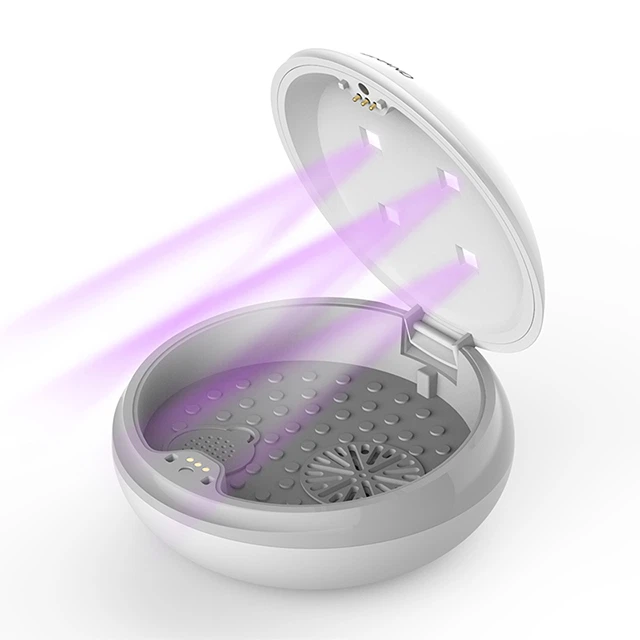
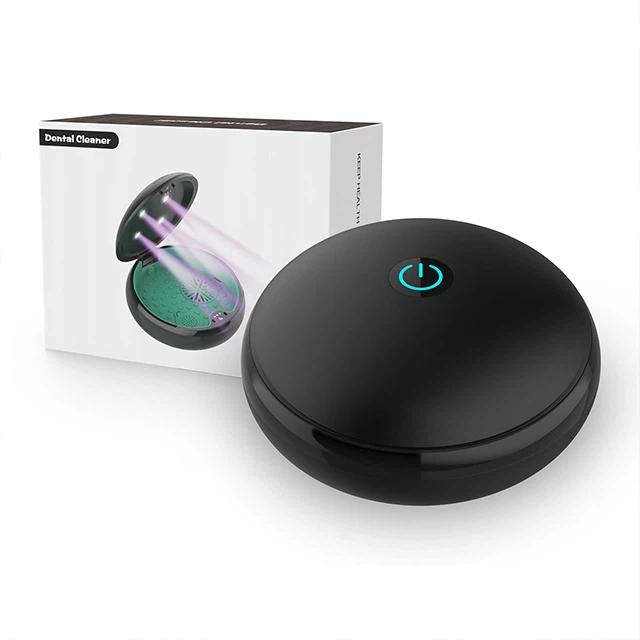
We also have the Ultraviolet Light Box Sanitizer, which can effectively sanitize your toothbrush, eliminating harmful bacteria and ensuring a clean and healthy brushing experience.
In addition to our oral care products, we also offer Light Therapy for Depression At Home. While this may seem unrelated to oral care at first glance, it's important to remember that overall well - being is interconnected. Good mental health can contribute to better oral hygiene habits, and vice versa.
Contact Us for Purchasing
If you're interested in our oral care products or have any questions about oral hygiene, we'd love to hear from you. Our team of experts is ready to assist you in finding the right products for your needs. Whether you're a dental professional looking to stock our products or an individual consumer seeking high - quality oral care solutions, we're here to help.
We believe that everyone deserves a healthy smile, and our products are designed to make that possible. Contact us today to start a discussion about your oral care needs and explore how our products can benefit you.
References
- Journal of Clinical Dentistry. (Year). Aggressive brushing and enamel wear.
- Periodontology research. (Year). Causes of gum recession, including improper brushing habits.