







Fixed braces solve an alignment problem, but they create a daily cleaning-access problem. Brackets, ligatures, and orthodontic archwires add ledges and narrow spaces where food debris and plaque can remain after routine brushing. For oral-care brands, distributors, and dental retailers, this is why orthodontic oral care is a meaningful product category: users need tools that make a demanding routine easier to repeat.
A Electric Vibrating Flosser does not replace professional orthodontic advice, fluoride use, or careful brushing. It can, however, give users a more direct way to perform interdental cleaning around braces than traditional string floss alone. This article explains how the category works, where floss threaders still fit, and what B2B buyers should evaluate when developing an orthodontic-focused electric flosser.
Why Orthodontic Archwires Make Daily Flossing Difficult
Brackets change the normal path of floss
With no fixed appliance in place, string floss can usually be guided over the contact point between two teeth and moved below the gumline. With braces, an orthodontic archwire crosses the front of the teeth. The wire interrupts that direct path, so the user often has to pass floss beneath the wire before cleaning each interdental space. Repeating this action through a full arch can turn a short habit into a lengthy task.
The issue is not merely inconvenience. When a method feels slow or difficult, many users do it less often or shorten the process. For brands serving orthodontic patients, reducing the access barrier can be as commercially relevant as adding cleaning modes or premium packaging.
Why plaque around brackets needs attention
Brackets and their surrounding adhesive create additional plaque-retentive surfaces. If plaque is not removed consistently, cavity-causing bacteria can metabolize sugars and produce acids that challenge enamel. The American Dental Association notes that flossing helps remove food particles and plaque from areas a toothbrush cannot fully clean.
In orthodontic care, prolonged plaque accumulation can contribute to enamel demineralization, often discussed as white spot lesions or decalcification around brackets. These changes are clinical concerns, not cosmetic claims a consumer device can promise to solve. The appropriate message is practical: effective home care supports plaque control, while regular orthodontic visits and individualized professional guidance remain essential.
Floss Threaders: Useful Tools With an Adherence Challenge
How floss threaders work
Floss threaders are simple looped guides that help a user pull conventional floss beneath an orthodontic archwire. The user loads a length of floss into the loop, inserts the threader under the wire, pulls the floss through, cleans the contact area, removes it, and repeats at the next space.
This method can be effective for users who are comfortable with string floss and willing to spend the necessary time. It is also inexpensive, familiar to dental professionals, and compatible with many fixed-appliance configurations. A credible orthodontic oral-care message should recognize these advantages rather than frame threaders as obsolete.
Why some users struggle to use them consistently
The threader process requires several precise movements at every interdental contact. It can be frustrating for younger users, people with limited hand dexterity, and anyone cleaning braces during a busy school, travel, or work schedule. Fraying floss, tight contacts, and the need to re-thread the archwire can add friction.
For B2B product planning, this behavior gap matters. The opportunity is not to claim that one tool universally replaces every other technique. It is to offer a device-led workflow that may make interdental cleaning feel more manageable and therefore more likely to become a stable daily routine.
How a Sonic Vibrating Flosser Approaches Cleaning Under Orthodontic Archwires
A compact head can be guided beneath the wire
A Sonic Vibrating Flosser uses a powered handle and a replaceable flossing head instead of a long length of manually threaded string. The user can carefully position the head beneath an orthodontic archwire, guide it between adjacent teeth, and move through the spaces around the brackets.
The design goal is straightforward: approach the cleaning zone from below the wire without requiring the user to load and pull string floss through each contact. Fit will still vary by appliance type, wire configuration, contact tightness, and individual anatomy. Brands should avoid broad claims that a device fits every orthodontic setup and should advise users not to force any tip through a tight space.
Sonic vibration supports a guided cleaning motion
In this category, vibration is an aid to the user's controlled motion, not a substitute for technique. The user still needs to place the flossing head correctly, use light pressure, and clean each accessible contact area. Product claims should describe the mechanism accurately: a powered flosser can help deliver repeatable movement while the user guides the head through the interdental space.
Gold Rose's Z3-PRO-L Electric Dental Flosser offers three modes, listed as 6,000 to 12,000 sonic vibrations per minute, and is positioned by the manufacturer for adults, children, and orthodontic users. For brands, multiple settings can support a gentler entry point for users who are new to a powered flossing routine.
The real value is a routine users can repeat
The category's strongest benefit is not an exaggerated clinical promise. It is a simplified cleaning workflow. When a device reduces repetitive threading steps, it may help users spend more attention on accessing the spaces that braces make difficult to reach.
That is especially relevant to parents of orthodontic teens and to dental retailers building a braces-care bundle. A clear product education message should connect the device to a complete routine: brush thoroughly, clean interdentally, use fluoride products as professionally advised, and attend scheduled orthodontic reviews.
A Practical Orthodontic Oral Care Routine Around Brackets
Brush above, below, and around each bracket
Start by brushing the gumline and the tooth surfaces above and below the orthodontic archwire. A methodical path matters more than speed. Users should follow the brushing technique and toothpaste recommendations provided by their orthodontist or dentist, especially where fluoride use or existing enamel changes are involved.
Guide the flosser beneath the archwire with light pressure
For each accessible interdental space, guide the Sonic Vibrating Flosser head under the archwire, position it gently between the teeth, and complete the intended cleaning motion. Do not push aggressively against the wire, bracket, or gum tissue. If the head will not enter a space comfortably, the user should stop and seek advice from their dental professional rather than force it.
Check high-retention zones before moving on
The areas beside brackets, near the gumline, and around back teeth may need extra visual attention. A mirror and good lighting can make it easier for users to confirm that food debris has been removed. This is also where an integrated LED guide can create a practical product-design advantage, provided the brand describes the feature as visibility support rather than a clinical outcome.
Keep professional prevention in the routine
No home device can guarantee prevention of decalcification around brackets. Diet, fluoride exposure, brushing quality, cleaning frequency, saliva, baseline caries risk, and professional treatment all affect outcomes. Product instructions should direct users with persistent bleeding, pain, visible white areas, loose appliances, or difficulty cleaning to consult their orthodontic professional.
Sonic Vibrating Flosser vs. Floss Threaders
|
Consideration |
Floss Threaders With String Floss |
Sonic Vibrating Flosser |
|
Access beneath orthodontic archwires |
Requires threading floss below the wire at each area |
Uses a compact head that is carefully guided below the wire |
|
Daily workflow |
Manual and repetitive |
Powered, device-guided workflow |
|
Learning requirement |
Requires comfort with threading and string control |
Requires correct tip placement and light pressure |
|
Portability |
Small and low-cost |
Depends on charging design and accessory storage |
|
Best positioning |
Familiar traditional option |
Convenience-focused adjunct for orthodontic interdental cleaning |
|
Appropriate claims |
Supports plaque removal when used correctly |
Supports a repeatable cleaning routine; does not guarantee clinical prevention |
Both tools have a place. Floss threaders remain useful for users who prefer conventional floss. A Sonic Vibrating Flosser is more compelling when the objective is to reduce workflow friction and make the under-wire cleaning process easier to sustain.
What B2B Buyers Should Look for in an Orthodontic Flosser
Head geometry and replacement-head strategy
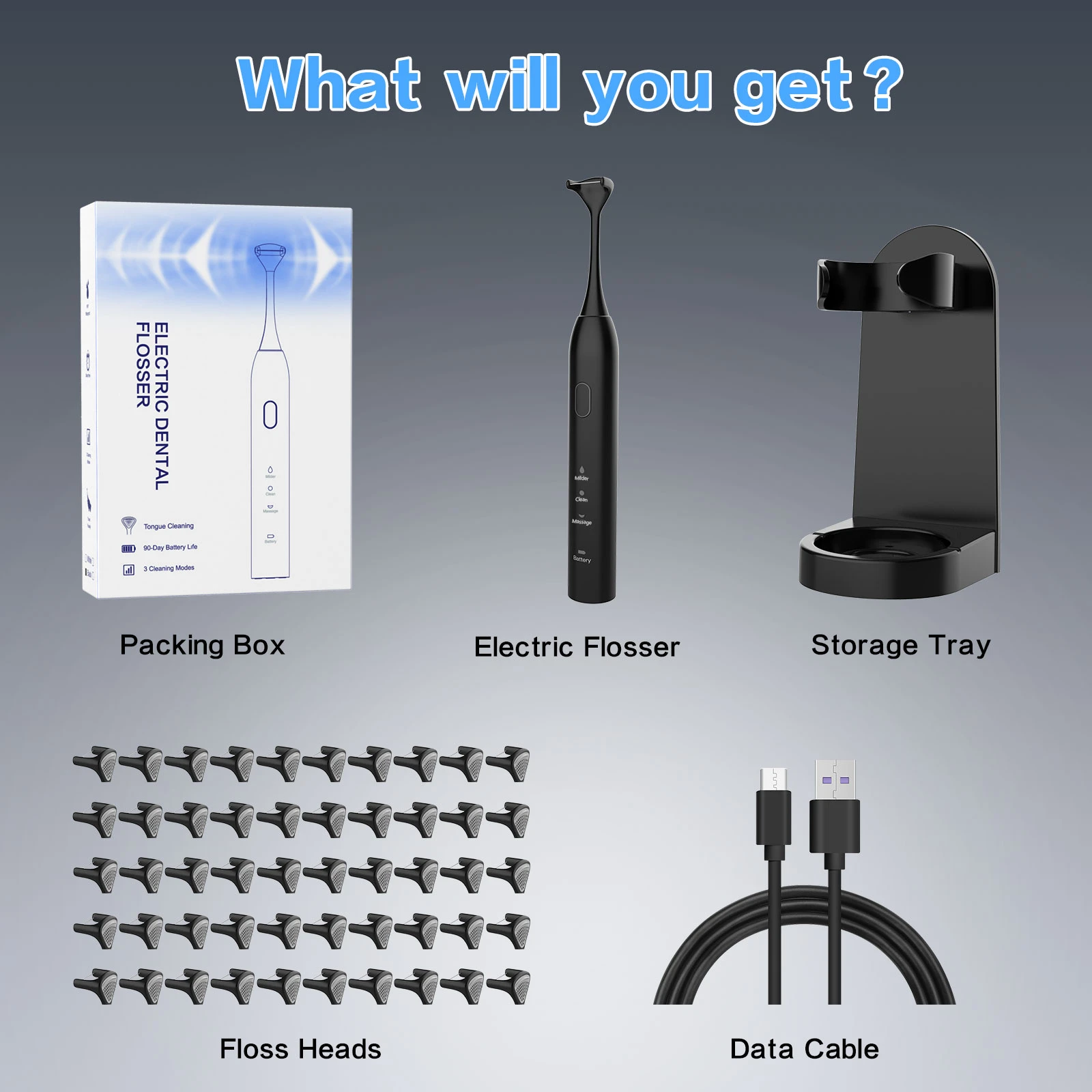
The head must be slim enough for careful placement around brackets and beneath orthodontic archwires, while still feeling stable in the user's hand. Replacement heads matter for hygiene, replenishment, and repeat-purchase programs. Gold Rose's Z3-PRO-L and Professional Electric Flosser product pages both list 50 replacement heads per set, giving buyers a clear consumable proposition for retail bundles or subscription formats.
Adjustable modes for user comfort
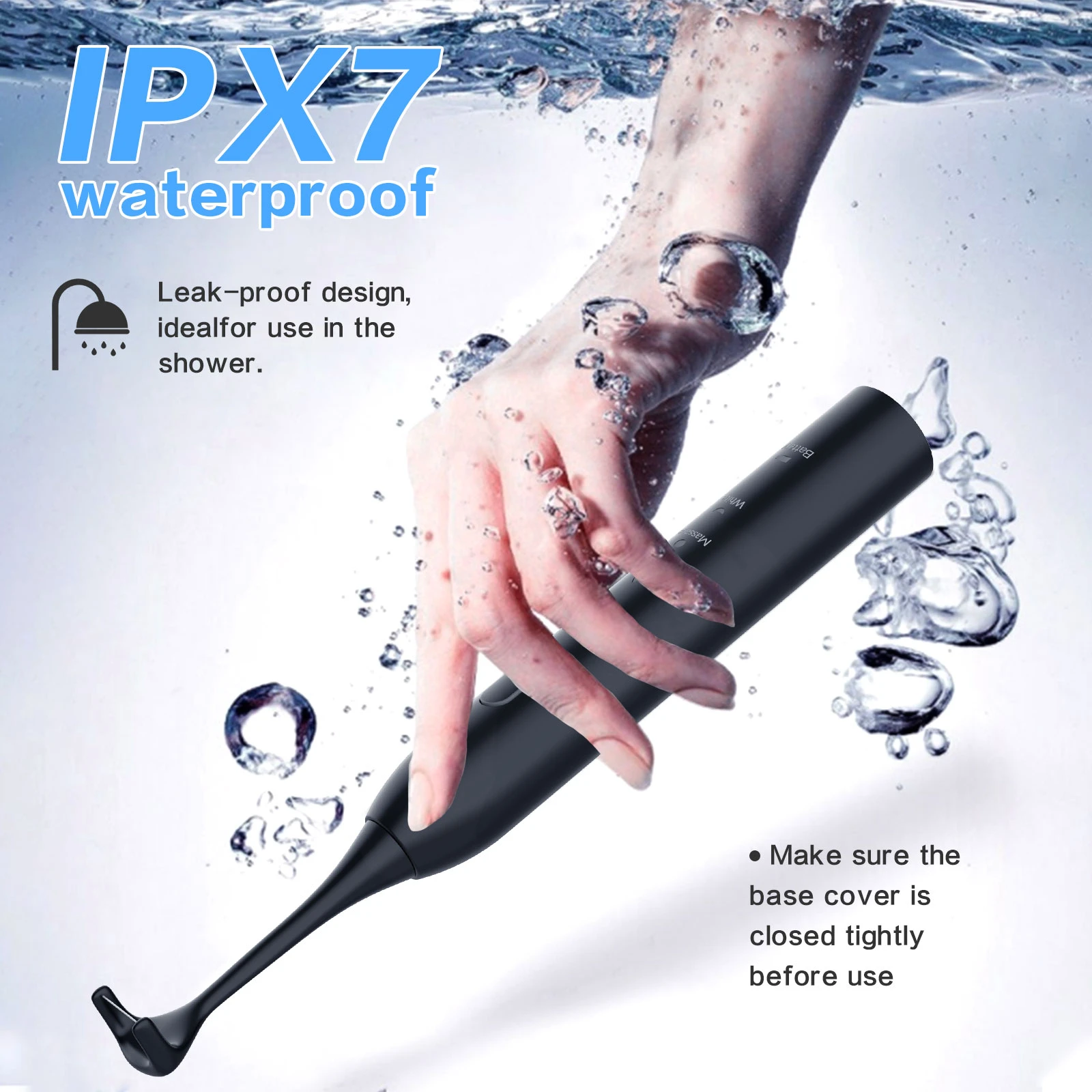
New users may prefer a gentler setting before progressing to a stronger cleaning mode. The Gold Rose Professional Electric Flosser lists Gentle, Moderate, DeepClean, and Massage modes, plus an IPX7 waterproof rating. These are product-specification features that can support positioning around choice, comfort, and daily-use convenience without implying treatment of gum conditions.
Charging, waterproofing, and daily usability
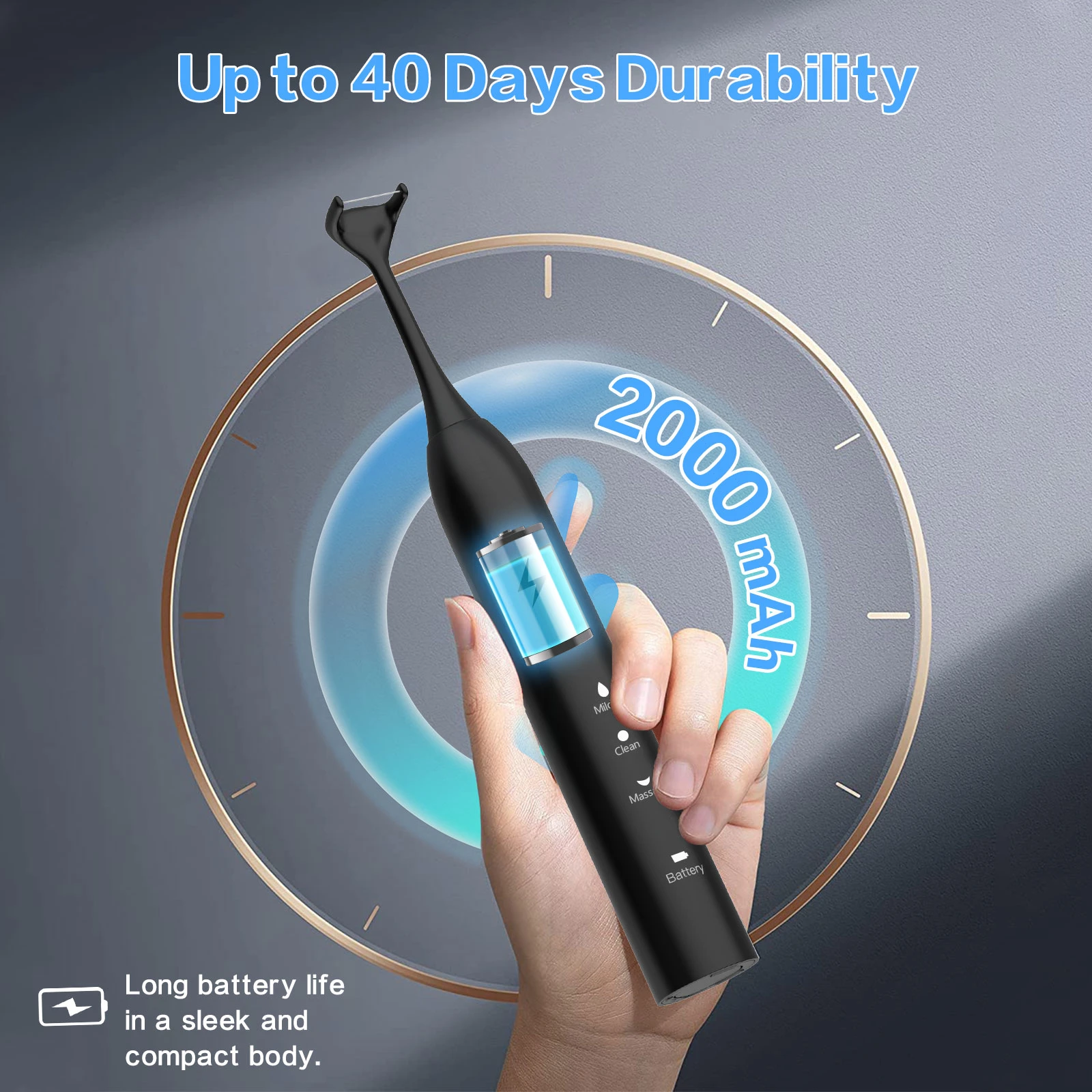
A braces-care device must fit real routines. Buyers should evaluate battery capacity, charging interface, waterproof construction, grip design, storage, and travel suitability. The Z3-PRO-L page lists Type-C charging, a three-hour charge time, and 60–80 days of listed battery use. The Professional Electric Flosser lists wireless charging, an 800mAh battery, and up to 60 days of stated use. Brand teams should validate final specifications against the selected production configuration before publishing claims.
Instructions and compliant market language
Good product education is a quality-control tool. Packaging, PDPs, and video instructions should show gentle under-wire positioning, remind users not to force the head, and clarify that the flosser complements-not replaces-professional orthodontic guidance. Avoid statements such as "prevents cavities," "eliminates decalcification," or "treats gum disease" unless the product has the evidence and regulatory authorization required in the target market.
Build an Orthodontic Oral Care Offer Around Easier Access
For oral-care brands, the commercial story is clear: braces make ordinary flossing more complex, and users need a solution that supports better access and habit consistency. A Sonic Vibrating Flosser can be positioned as a modern option for cleaning between teeth and navigating around fixed appliances, alongside brushing, fluoride-based care, and professional follow-up.
Gold Rose supports OEM/ODM development for electric oral-care products, including mode configuration, branding, packaging, and replacement-head planning. For distributors and brand owners, the strongest product proposition is practical rather than inflated: make orthodontic interdental cleaning easier to perform, easier to understand, and easier to maintain.
Developing a braces-care electric flosser range? Contact Gold Rose to discuss product configuration, branded packaging, replacement-head programs, and compliant product education.
Frequently Asked Questions
Can a Sonic Vibrating Flosser replace floss threaders for braces?
It may provide a more convenient approach for many users because a compact flossing head can be guided beneath an orthodontic archwire without manually threading string floss at every space. However, suitability depends on the appliance design, the user's technique, and the orthodontist's instructions. Floss threaders remain a valid option for users who prefer conventional floss.
Can a Sonic Vibrating Flosser prevent decalcification around brackets?
No consumer oral-care device can guarantee prevention. Decalcification around brackets is influenced by plaque control, diet, fluoride use, oral hygiene technique, individual risk factors, and professional care. A Sonic Vibrating Flosser can support regular interdental cleaning as one part of a complete orthodontic oral care routine.
How does a Sonic Vibrating Flosser clean under orthodontic archwires?
The user carefully positions the flosser's compact head beneath the wire and guides it between the teeth. The device's vibration supports the guided cleaning motion, but the user should use light pressure and never force the head against the appliance or through a tight contact.
Is the Gold Rose Z3-PRO-L appropriate for orthodontic users?
Gold Rose lists the Z3-PRO-L as suitable for orthodontic users and specifies three vibration modes from 6,000 to 12,000 vibrations per minute, Type-C charging, and 50 replaceable tips. Brands and users should still confirm that the selected head design and use instructions are appropriate for their target market and appliance type.
What should distributors assess when sourcing an orthodontic electric flosser?
Assess head geometry, replacement-head supply, cleaning modes, waterproof rating, battery and charging design, instruction quality, product testing, packaging options, and the legal basis for every product claim. Gold Rose's Professional Electric Flosser, for example, lists four modes, IPX7 waterproofing, an 800mAh battery, and 50 replacement heads; these specifications should be verified for the final purchased model.
References
1. American Dental Association, MouthHealthy. [Flossing](https://www.mouthhealthy.org/all-topics-a-z/flossing). Accessed October 29, 2026.
2. Glenny AM, et al. [Aids for mechanical cleaning of teeth with fixed braces](https://pmc.ncbi.nlm.nih.gov/articles/PMC6491070/). Cochrane Database of Systematic Reviews protocol.
3. Gold Rose. [Electric Dental Flossers: Z3-PRO-L](https://www.goldrosa.com/electric-tooth-flosser/dental-flossers.html). Accessed October 29, 2026.
4. Gold Rose. [Professional Electric Flosser](https://www.goldrosa.com/electric-tooth-flosser/professional-electric-flosser.html). Accessed October 29, 2026.