






Keeping retainers, aligners, dentures, and mouthguards clean has always been a priority for me, especially as I wear dental appliances almost every day. In recent years, ultrasonic dental cleaners have become increasingly popular, and I often receive the same question from readers:
"If I use an Ultrasonic Dental Cleaner every day, do I still need professional cleanings?"
This is an excellent question-one that deserves a detailed and practical explanation. Ultrasonic cleaners are indeed efficient, convenient, and effective at maintaining daily hygiene. But can they replace professional dental cleanings?
In this article, I'll break down the differences, clarify what each method can and cannot do, and share the best combination approach for optimal oral health.
Understanding the Difference: Professional Cleaning vs. Ultrasonic Cleaning
Before comparing them directly, it's important to understand the fundamental distinction between these two forms of "cleaning."
What Is a Professional Dental Cleaning?
A professional dental cleaning is not simply a more thorough version of brushing your teeth. It is a medical-grade procedure performed by a licensed dentist or hygienist. It typically includes:
- Removal of hardened tartar (calculus)
- Deep cleaning along the gumline
- Cleaning inside periodontal pockets
- Use of ultrasonic scalers and hand instruments
- Screening for early signs of gum disease
- Examining enamel wear, cavities, and inflammation
- Personalized oral health recommendations
- The goal of a professional cleaning is not just cosmetic.
It is designed to prevent disease, remove hardened deposits, and monitor overall oral health.
What Does a Home Ultrasonic Dental Cleaner Do?
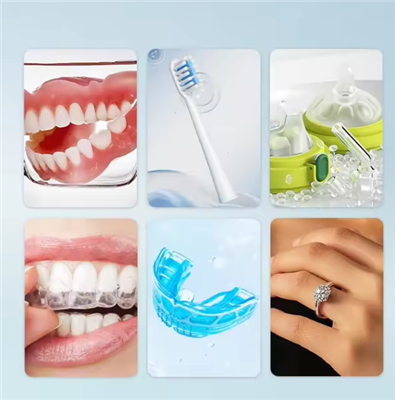
A home ultrasonic cleaner, by contrast, is designed to clean dental appliances, such as:
- Clear aligners
- Retainers
- Dentures and partials
- Dental night guards
- Sports mouthguards
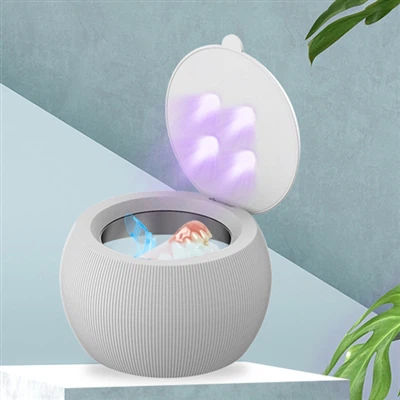
It uses ultrasonic cavitation, where high-frequency vibrations produce microscopic bubbles that collapse repeatedly. These microbubbles enter tiny gaps, grooves, and edges of dental appliances, removing debris that a brush can't reach.
Essentially:
Professional cleaning = cleans your teeth and gums
Home ultrasonic cleaner = cleans your appliances
These two processes operate in completely different domains.
What an Ultrasonic Dental Cleaner Can Do
While an ultrasonic cleaner cannot replace professional dental care, it offers several significant advantages for daily hygiene-especially for people like me who wear retainers or aligners for many hours every day.
1. Deep Cleaning in Hard-to-Reach Areas
Dental appliances often contain:
- Ridged edges
- Tight gaps
- Small grooves
- Hidden contact points
Manual brushing simply can't reach these areas effectively.
Ultrasonic cavitation, however, can access all these tiny spaces, making it extremely effective for daily maintenance.
2. Reduce Odor and Bacterial Buildup
Bacteria, saliva residue, and food particles easily accumulate on aligners and retainers. This leads to:
- Unpleasant odors
- A cloudy appearance
- Sticky residue
- Potential irritation
The ultrasonic process disrupts bacteria on the surface, improving hygiene and comfort. For long-term users, this creates a noticeable difference in freshness.
3. Prevent Scratches from Brushing
Scrubbing aligners with a hard brush can cause tiny scratches, which trap more bacteria and make the appliance look dull over time. Clear appliances are especially vulnerable.
Ultrasonic cleaning, however, relies on non-abrasive microbubbles-meaning no scratches and no damage.
4. Save Time and Simplify Daily Care
Most ultrasonic cleaners operate in a 3–5 minute cycle.
There's no need to manually scrub or soak for long periods.
The process is usually as simple as:
- Add water
- Place the appliance inside
- Press the button
- Wait a few minutes
For anyone with a busy routine, this level of convenience is hard to beat.

Why an Ultrasonic Cleaner Cannot Replace Professional Dental Cleanings
Despite its advantages, an ultrasonic cleaner cannot replace professional cleanings. The reasons are crucial to understand if you want to maintain both appliance hygiene and oral health.
1. It Cannot Remove Dental Tartar (Hardened Calculus)
Tartar is mineralized plaque that becomes extremely hard-almost stone-like. Once plaque hardens into tartar, it must be removed with:
- A professional ultrasonic scaler
- Manual dental instruments
A home ultrasonic cleaner does not have the power or frequency to remove tartar from natural teeth.
2. It Cannot Diagnose Oral Health Problems
Professional cleanings always include a diagnostic component. A dentist can identify:
- Early gum inflammation
- Receding gums
- Periodontal pockets
- Early-stage cavities
- Bite alignment issues
No home device can evaluate or monitor these conditions.
3. It Cannot Treat Gum Disease
If you develop gingivitis or early periodontal disease, only a professional can perform the necessary treatment. No home device-ultrasonic or otherwise-can replace medical intervention.
4. It Cleans the Appliance, Not Your Mouth
Even if your dental appliances stay perfectly clean, plaque and bacteria still accumulate on your natural teeth and gumline.
You still need professional care to maintain the health of your mouth.

When an Ultrasonic Dental Cleaner Is Especially Useful
Ultrasonic cleaners shine in specific situations, especially if you:
- Wear aligners (Invisalign, Spark, etc.)
- Use removable retainers every day
- Own dentures, partials, or night guards
- Experience odor or discoloration on appliances
- Want quick, consistent daily hygiene
- Want to avoid manual scrubbing
If you use appliances for more than 8–10 hours a day, an ultrasonic cleaner is almost essential for maintaining cleanliness.
The Best Care Routine: Ultrasonic Cleaning + Professional Cleaning
The most effective approach isn't choosing one method over the other.It's combining both.
1. Use an Ultrasonic Cleaner Daily
This keeps retainers and aligners:
- Clear
- Fresh
- Odor-free
- Free of daily buildup
Daily ultrasonic cleaning is the most time-efficient way to maintain appliance hygiene.
2. Get a Professional Dental Cleaning Every 6 Months
Professional cleanings remove tartar and evaluate overall oral health. If you have gum sensitivity or a history of inflammation, consider visiting every 3–4 months.
3. Occasionally Brush the Outer Surface
Using a soft brush can help remove larger debris before placing your appliance in the ultrasonic cleaner.
4. Add Cleaning Tablets Once or Twice a Week
Dissolvable tablets boost antibacterial effects and help remove organic buildup.

Frequently Asked Questions
1. Can an ultrasonic dental cleaner remove tartar from teeth?
No. Only professionals can remove tartar.
2. Will ultrasonic cleaning damage my aligner or retainer?
No, as long as you choose a reliable device and follow standard cycles (3–5 minutes).
3. If I clean my retainer with an ultrasonic cleaner every day, do I still need dental cleanings?
Yes. One cleans the appliance; the other protects your teeth and gums.
4. How often should I get a professional cleaning?
At least every six months, or more frequently if recommended by your dentist.
Final Conclusion: Can an Ultrasonic Dental Cleaner Replace Professional Cleanings?
The answer is clear:
No, an ultrasonic dental cleaner cannot replace professional cleanings.
However:
- It is one of the best tools for keeping aligners, retainers, and dentures clean.
- It makes daily hygiene easier, faster, and more effective.
- It prevents odor, buildup, and bacteria on dental appliances.
But professional dental cleanings remain essential for:
- Removing tartar
- Monitoring gum and tooth health
- Preventing oral disease
The best approach is a combination:
Daily ultrasonic cleaning + routine professional dental care.
This ensures both your dental appliances and your natural teeth stay clean, healthy, and safe.