






Most people assume professional dental cleanings and chemical cleaning tablets are just part of the cost of good oral health. But when you run the actual numbers - monthly tablet spend, bi-annual hygienist fees, and the recurring cost of disposable floss - a home ultrasonic cleaner starts looking less like an expense and more like a smart financial decision. This guide breaks down the real cost comparison and shows why switching to a sonic electric flosser can pay for itself in as little as 90 days.
The Real Cost of "Affordable" Oral Care Alternatives
What Cleaning Tablets Actually Cost You Each Month
Dental and retainer cleaning tablets are marketed as a low-cost solution, but the ongoing spend adds up quickly. A standard pack of 36 tablets - roughly a one-month supply - retails between $6 and $10. Over 12 months, that translates to $72–$120 per year, and that figure does not include the string floss, mouthwash, or tongue scrapers most users add separately. For households with multiple users, or patients managing orthodontic appliances who rely on tablets daily, the annual cost can easily exceed $200. Beyond the financial toll, most tablet-based cleaners rely on persulfate compounds or other chemical agents that some users find irritating to sensitive gum tissue - a hidden cost not reflected on the price tag.
The True Price of Professional Dental Cleanings
A routine professional cleaning (prophylaxis) in the United States costs between $100 and $250 per visit without insurance, according to GoodRx and Humana Dental data from 2024–2026. The American Dental Association recommends two cleanings per year for most adults, putting the baseline annual spend at $200–$500. For patients with early-stage gum disease who require deep cleaning (scaling and root planing), costs jump to $150–$400 per quadrant - potentially $600–$1,600 for a full-mouth treatment. While professional visits are irreplaceable for diagnosing complex issues, the clinical consensus is clear: consistent daily interdental cleaning significantly reduces plaque buildup, which directly lowers the frequency and intensity of professional intervention needed.
The Hidden Cost of Disposable String Floss
String floss is inexpensive per unit, but it is not free. A standard floss pack costs $3–$7 and lasts approximately one month with daily use. Over a year, that is $36–$84 - and for the 30% of adults who report skipping flossing altogether due to difficulty or discomfort, even that modest spend yields poor clinical results. Poor interdental hygiene is directly linked to higher rates of cavities and gingivitis, which funnel patients back into costly professional treatment cycles.
How a Home Ultrasonic Cleaner Changes the Economics
One Device, Multiple Functions - No Recurring Chemical Cost
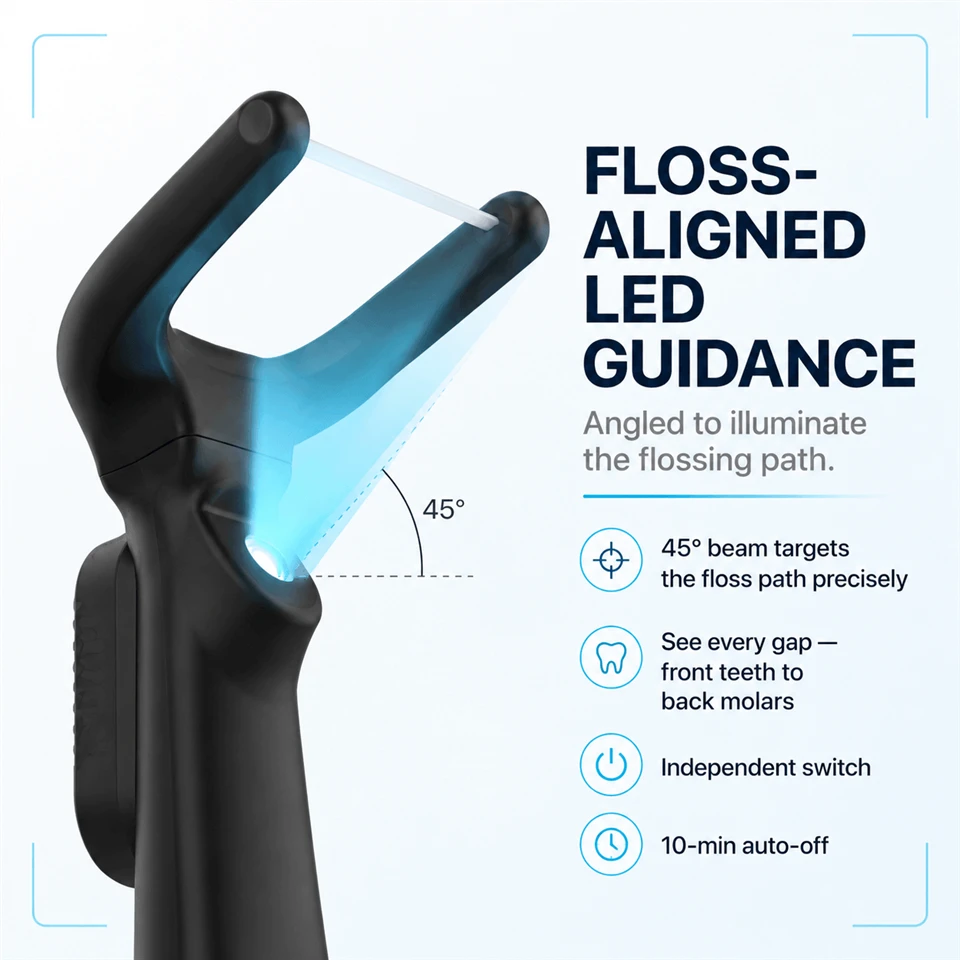
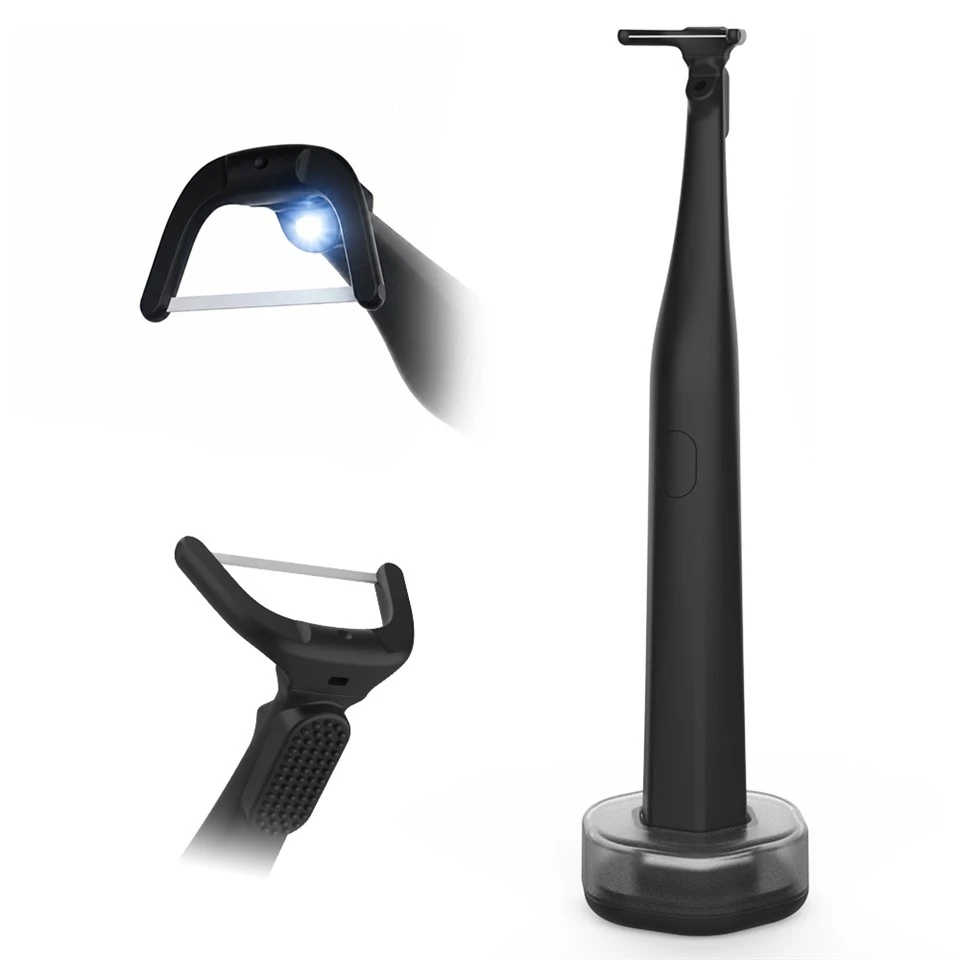
A quality home ultrasonic dental cleaner - specifically a sonic electric flosser - uses high-frequency vibration to mechanically remove plaque and debris between teeth, replacing the need for disposable floss, chemical tablets, and separate tongue scrapers simultaneously. The GoldRosa Z9 LED Electric Flosser, for example, combines power flossing, tongue scraping, and LED-guided deep cleaning in a single device. With replaceable fluoride-free mint floss heads and a built-in tongue scraper, the only recurring cost after purchase is occasional tip replacement - typically a fraction of the monthly tablet or floss spend.
The 90-Day Breakeven Calculation
The math is straightforward. A typical user spending $8/month on cleaning tablets plus $5/month on string floss accumulates $13 in monthly recurring oral care costs. Over 90 days (three months), that totals approximately $39. A mid-range sonic electric flosser covers that combined spend within the first quarter of ownership - after which the ongoing cost drops close to zero for the remaining battery life of up to 60 days per charge with wireless charging. For users who also reduce the frequency or intensity of professional cleaning visits due to improved daily hygiene, the long-term savings compound further. Research published in the Journal of Clinical Periodontology confirms that consistent powered interdental cleaning reduces gingivitis markers, which correlates clinically with less need for deep-cleaning interventions.
Product Comparison: Best Home Sonic Flossers for Value in 2026
GoldRosa Z9 LED Electric Flosser - Best Overall Value
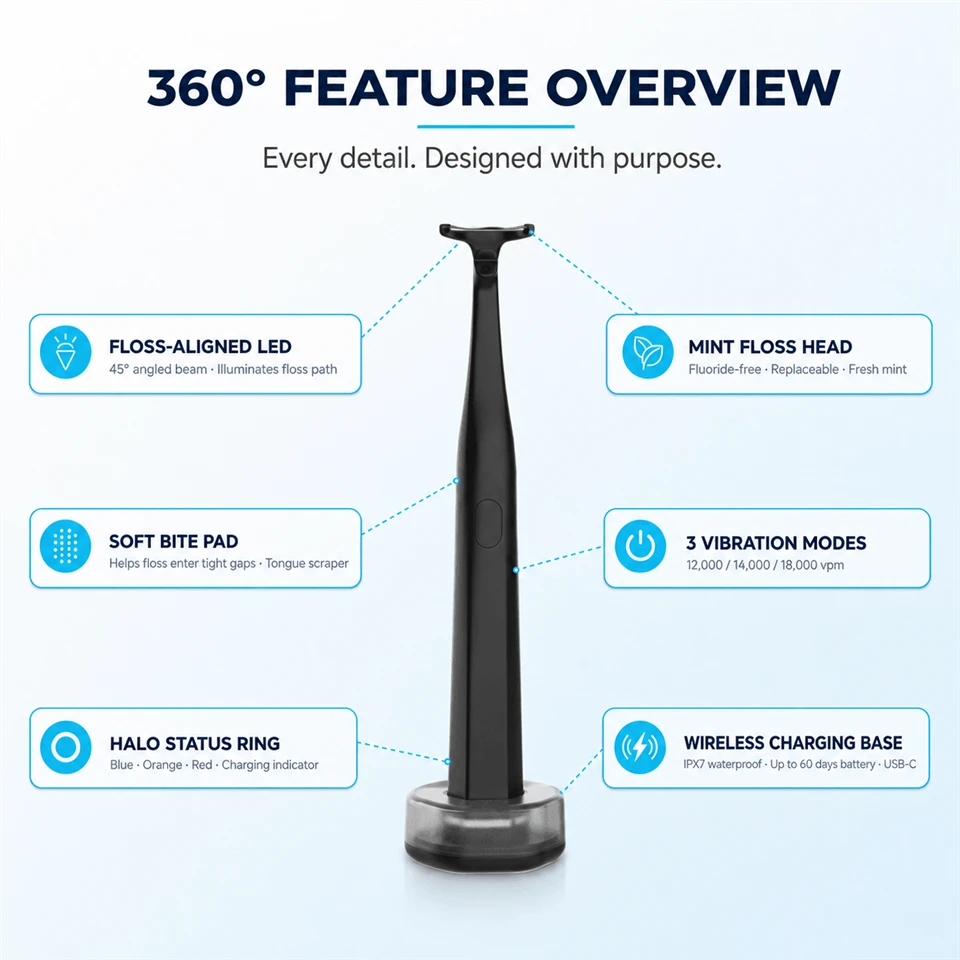
The GoldRosa Z9 LED Electric Flosser delivers the strongest cost-to-performance ratio in its category. Its floss-aligned 45° LED beam illuminates every interdental gap, a feature rarely found at this price point, while the built-in tongue scraper eliminates the need for a separate tool. Three sonic vibration modes - 12,000, 14,000, and 18,000 vpm - handle everything from gentle daily maintenance to intensive plaque removal, with a Halo Status Ring displaying the active mode at a glance. The 60-day battery life with wireless charging means no cables and negligible energy costs, and the IPX7 waterproof design with flight mode makes it fully travel-ready. FDA, CE, and ISO 13485 certified.
View product on goldrosa.com →
Efferdent/Polident Tablet Systems - Reference Comparison
Chemical denture and retainer cleaning tablets from brands like Efferdent and Polident remain the default for many users. They are effective at dissolving surface stains and killing odor-causing bacteria, but they require daily consumable repurchase, generate plastic waste, and do not provide the mechanical interdental cleaning that reduces plaque biofilm. They are best viewed as a supplement for appliance hygiene rather than a standalone oral care strategy.
Cost Comparison Table
|
Method |
Upfront Cost |
Monthly Recurring |
Annual Spend |
Replaces Tablets? |
Replaces Floss? |
Best For |
|
GoldRosa Z9 LED ★ |
One-time |
Minimal (tips only) |
Very low |
Yes |
Yes |
All-round daily care |
|
GoldRosa Professional |
One-time |
Minimal (tips only) |
Very low |
Yes |
Yes |
Power users / ortho |
|
Cleaning Tablets Only |
$0 |
$6–$10 / mo |
$72–$120 |
- |
No |
Appliance soaking |
|
String Floss Only |
$0 |
$3–$7 / mo |
$36–$84 |
No |
- |
Budget maintenance |
|
Tablets + Floss |
$0 |
$9–$17 / mo |
$108–$204 |
- |
- |
Combined routine |
|
Pro Cleaning ×2/yr |
$0 |
$17–$42 / mo |
$200–$500 |
No |
No |
Complex diagnosis |
Maximising Your ROI: Practical Tips
Using a sonic flosser correctly is key to realising the full savings potential. Dental professionals recommend flossing before brushing, which lets the flosser dislodge debris that the brush then sweeps away - maximising the efficiency of both steps. For users managing braces or implants, the GoldRosa Z9 LED Electric Flosser's LED-guided precision and sonic vibration make navigating brackets and wires effortless. Replacing floss tips every 4–8 weeks maintains optimal cleaning contact. With fluoride-free mint floss heads and a built-in tongue scraper included in every kit, most users cover well over a year of tip supply from the original purchase - pushing the per-day cost of ownership to just a few cents.
FAQs
Q1: How quickly does a sonic electric flosser pay for itself compared to cleaning tablets?
For a typical user spending $10–$15 per month on tablets and disposable floss, a sonic electric flosser can offset that recurring spend within 60–90 days of purchase. The GoldRosa Z9 LED Electric Flosser includes replacement tips and a built-in tongue scraper, so the upfront cost covers daily oral care for a year or more.
Q2: Can a home ultrasonic cleaner reduce how often I need professional dental cleanings?
Consistent daily interdental cleaning with a powered flosser reduces plaque and gingivitis markers, which clinical research links to less buildup between professional visits. While bi-annual check-ups remain important, patients with strong home hygiene routines often require shorter, less costly cleaning appointments.
Q3: Are chemical cleaning tablets still necessary if I use a sonic flosser?
For most users, an LED-guided sonic flosser like the GoldRosa Z9 replaces the core functions that tablets address - plaque removal, odor reduction, and gum stimulation - without recurring chemical costs. Tablets may still be useful for overnight soaking of removable appliances like retainers or dentures.
Q4: Is a sonic flosser safe for people with sensitive gums or dental work?
Yes - quality devices offer a dedicated gentle mode for sensitive tissue. The GoldRosa Professional Electric Flosser's Gentle Mode and the Z9 LED Electric Flosser's lowest setting (12,000 vpm) both operate at frequencies safe for post-surgical recovery, implants, and sensitive gum conditions.
Q5: How long do replacement floss tips last, and what is the ongoing cost?
Tips should be replaced every 4–8 weeks depending on usage intensity. Both GoldRosa Z9 and Professional models include ample replacement tips per kit, covering most users for well over a year from initial purchase - keeping ongoing costs minimal compared to daily disposable alternatives.
References
1. GoldRosa Z9 LED Electric Flosser - Product Page. goldrosa.com
2. GoldRosa Professional Electric Flosser - Product Page. goldrosa.com
3. How Much Does a Dental Cleaning Cost Without Insurance? GoodRx, 2024. goodrx.com
4. How Much Does a Dental Cleaning Cost? Humana Dental, 2026. humana.com
5. Comparing the effectiveness of water flosser and dental floss. PMC/NCBI, 2024. pmc.ncbi.nlm.nih.gov
6. Innovations in oral hygiene tools: a mini review on recent advances. Frontiers in Dental Medicine, 2024. pmc.ncbi.nlm.nih.gov