



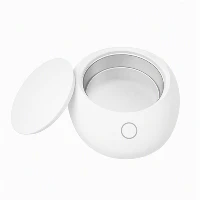


I. Introduction: Proper Maintenance Extends Your Clinic's Equipment Lifespan
As an expert with 8 years of experience in the oral care equipment industry, I have seen too many dental clinics encounter problems due to neglecting equipment maintenance - some clinics' ultrasonic cleaners start frequent breakdowns after only 1 year of use, others receive constant patient complaints because scale buildup reduces cleaning effectiveness, and many spend huge sums on repairs only to find the issues stemmed from inadequate daily maintenance. In fact, for the frequently used ultrasonic cleaner, dental clinics process dozens of retainers and aligners every day. The machine operates in a humid environment with residual cleaning solution for long periods. Neglecting maintenance not only shortens its service life but also impacts treatment efficiency and patient experience. Today, I will break down my years of summarized "daily + weekly + monthly" three-stage maintenance process, with detailed steps and practical tips for each phase. This guide will help you extend the equipment's lifespan by over 3 years with minimal time investment, reducing your clinic's operational costs.
II. Pre-Maintenance Essentials: Tools Preparation and Safety Guidelines
Proper preparation before maintenance prevents equipment damage from incorrect operations and ensures safety, complying with clinic hygiene standards.
(A) Essential Tools List (Easily Accessible in Clinics, No Extra Purchase Needed)
Soft-bristled brush: Choose a medical-grade brush with soft bristles to avoid scratching the water tank interior and ultrasonic transducers;
Medical-grade neutral cleaner: Free of abrasive ingredients, strong acids, and alkalis that could corrode equipment components;
Dry lint-free cloth: Prefer non-woven fabric that does not shed fibers for wiping the equipment surface and water tank interior;
Fine-tipped cotton swabs: For cleaning residual dirt in hard-to-reach areas like gaps and interfaces;
Manufacturer-recommended descaling agent: If no specialized descaling agent is available, dilute citric acid at a 1:50 ratio as a substitute (only for mild scale);
Disposable gloves: Wear during maintenance to meet clinic hygiene requirements and avoid direct contact between hands and cleaning solutions or dirt.
(B) Safety Operation Guidelines (Critical to Avoid Equipment Damage and Hazards)
For any maintenance task, always turn off the power and unplug the power cord first, ensuring the equipment is completely powered off before operation;
Drain all residual liquid from the water tank to prevent spills during maintenance that could seep into the machine body;
During maintenance, avoid direct spraying or allowing water to flow into electronic components such as the power interface and control panel;
Do not use corrosive products like bleach, laundry detergent, or industrial cleaners - these will severely damage the water tank liner and ultrasonic transducers;
After maintenance, ensure the equipment is completely dry before reconnecting power to prevent short circuits.
III. Three-Stage Maintenance Process: Practical Steps + Core Tips
(A) Daily Maintenance: 5 Minutes After Each Use, Simple and Efficient
Daily maintenance is fundamental for promptly removing residual dirt from the equipment surface and interior, preventing stubborn scale buildup. It is recommended to perform immediately after each use.
Step 1: Drain Residual Cleaning Solution + Rinse with Water
Operation: Open the equipment's drain valve to fully empty the remaining cleaning solution. Close the valve, pour in an appropriate amount of clean water, start the machine for 30 seconds of idle operation, then drain the water. Repeat this process twice to ensure no residual cleaning solution or dirt remains in the tank.
Core Tip: Long-term residual cleaning solution will crystallize and adhere to the tank interior and transducers, becoming difficult to remove over time and reducing ultrasonic vibration effectiveness. Thorough rinsing after each use is essential.
Step 2: Wipe the Water Tank and Liner
Operation: Put on disposable gloves, dip the soft-bristled brush in a small amount of medical-grade neutral cleaner, and gently scrub the tank interior, ultrasonic transducer surfaces, and tray crevices. Rinse thoroughly with clean water, then use a dry lint-free cloth to gently wipe the tank interior, removing moisture and residual stains.
Core Tip: Scrub gently, especially on the ultrasonic transducers - avoid harsh scraping that could damage the ceramic layer on the transducer surface, reducing cleaning efficiency. If the tray is detachable, remove it for direct rinsing to ensure thorough cleaning.
Step 3: Drying Treatment + External Cleaning
Operation: Open the water tank lid and let the interior air-dry for 5 minutes, or wipe residual moisture from the liner with a dry cloth. Meanwhile, wipe the external surface of the equipment with a lint-free cloth dampened with clean water to remove fingerprints, stains, and spilled cleaning solution, then dry the surface with a dry cloth.
Core Tip: Keeping the equipment dry is crucial for preventing bacterial growth and component rust, especially in humid clinic environments. External cleaning not only maintains equipment tidiness but also helps detect surface damage or water leakage early.
(B) Weekly Maintenance: Deep Descaling + Component Inspection to Address Potential Issues
Weekly deep maintenance focuses on removing scale and dirt in hard-to-reach areas that daily maintenance cannot eliminate, while inspecting core components to identify hidden problems early.
Step 1: Deep Descaling of the Water Tank (Target Scale Buildup, Extend Transducer Lifespan)
Operation: Dilute the descaling agent according to the manufacturer's instructions (usually a 1:50 ratio). Pour the diluted descaling agent into the tank to above the minimum water level, close the lid, connect power, and start the machine for 10 minutes of operation. Turn off the power, let it stand for 5 minutes to allow the descaling agent to fully dissolve scale, then drain the solution. Rinse repeatedly with clean water 3-4 times until no descaling agent odor remains in the tank.
Core Tip: For severe scale buildup, repeat the descaling process once, but do not extend the soaking time to avoid tank corrosion. If using citric acid as a substitute for specialized descaling agent, reduce the operation time to 8 minutes and increase rinsing to 4 times.
Step 2: Comprehensive Inspection of Core Components
Operation:
Tray: Check for cracks, deformation, or looseness. A damaged tray will affect retainer stability during cleaning, leading to uneven results. Replace promptly (it is recommended that clinics keep 1-2 spare trays to avoid disrupting treatments);
Ultrasonic transducers: Gently wipe the transducer surfaces with a soft-bristled brush to check for stubborn scale residue or ceramic layer damage. If scale cannot be removed, soak in diluted descaling agent for another 5 minutes and rinse. If the ceramic layer is damaged, contact the manufacturer's after-sales service for replacement - do not continue using the equipment;
Power cord and interfaces: Inspect the power cord for damage or aging, and check interfaces for looseness or oxidation. If damage or looseness is found, stop use immediately and contact professional technicians for repairs to avoid electric shock hazards.
Step 3: Cleaning Hard-to-Reach Areas (Gaps + Interfaces)
Operation: Dip a fine-tipped cotton swab in a small amount of medical-grade cleaner and gently wipe gaps around the tank edge, drain valve interfaces, and power interface areas to remove residual dirt and dust. After wiping, dry these areas with a dry cotton swab to ensure no moisture remains.
Core Tip: These hard-to-reach areas easily accumulate dirt and moisture. Long-term neglect can cause interface oxidation and poor drainage, affecting normal equipment operation. Weekly focused cleaning of these areas is essential.
(C) Monthly Maintenance: System Calibration + Hidden Hazard Inspection to Ensure Stable Operation
Monthly maintenance focuses more on equipment performance calibration and hidden hazard detection, ensuring long-term stable operation and preventing sudden breakdowns that disrupt clinic operations.
Step 1: Simple Self-Test of Ultrasonic Frequency (Evaluate Cleaning Performance)
Operation: Pour an appropriate amount of clean water into the tank to the normal operating level. Place a clean retainer test strip (or a clean orthodontic retainer), connect power, select the commonly used cleaning mode, and start the machine for 5 minutes of operation. During operation, observe the vibration of the test strip - uniform bubble formation on the surface with no obvious abnormal noise indicates normal ultrasonic frequency. Uneven bubble distribution or abnormal vibration sounds (such as rattling or humming) may indicate severe transducer scaling or internal equipment malfunctions.
Core Tip: If abnormalities are detected during the test, perform deep descaling again and retest. If problems persist, do not disassemble the equipment yourself - contact the manufacturer's after-sales service for professional calibration and repairs.
Step 2: Inspection of Sealing Gaskets and Valves
Operation: Check the sealing gasket around the tank edge for aging, cracking, deformation, or detachment. Gently press the gasket to feel for elasticity. Simultaneously inspect the drain valve - open it to check for smooth drainage and close it to verify no water leakage.
Core Tip: Aging sealing gaskets cause tank leakage, which can damage internal electronic components. Replace gaskets promptly if aging signs appear (gaskets are low-cost, so clinics should keep spares). Poor drain valve drainage may be caused by internal dirt blockage - gently unclog with a fine cotton swab, avoiding forceful poking that could damage the valve.
Step 3: Cleaning Air Vents + Equipment Body Inspection
Operation: Use a hair dryer on the cool setting to blow air into the equipment's air vents for 30 seconds, removing accumulated dust (excessive dust causes poor heat dissipation, and long-term high-temperature operation shortens the lifespan of internal components). Simultaneously inspect the equipment body for deformation, shell damage, and the responsiveness of control panel buttons. If buttons are unresponsive or slow, contact after-sales service for repairs.
Step 4: Maintenance Records and Consumable Replacement Reminders
Operation: Record the maintenance date, equipment status, identified issues, and solutions to establish an equipment maintenance file (can be filled out on a printed form or recorded in the clinic management system). Simultaneously check the inventory of consumables such as cleaning solution and descaling agent, and purchase in advance based on the clinic's usage frequency to avoid stockouts that disrupt maintenance or daily operations.
Core Tip: Maintaining a maintenance file provides clear visibility of equipment usage status, facilitating traceability when problems arise later. Advance stockpiling of consumables prevents maintenance interruptions or equipment downtime due to supply shortages.
IV. Common Maintenance Mistakes: 3 Pitfalls Clinics Must Avoid
(A) Mistake 1: Using Household Cleaners or Bleach
Many clinics use household laundry detergent, dish soap, or even bleach for convenience. These products contain abrasive ingredients and corrosive substances that severely damage the tank liner and transducer ceramic layers, significantly shortening equipment lifespan. Correct Approach: Only use medical-grade neutral cleaners or manufacturer-recommended specialized cleaning products to ensure mildness and non-corrosion.
(B) Mistake 2: Performing Maintenance Without Powering Off or Draining All Liquid
Some medical staff wipe the equipment while it is powered on or without fully draining the cleaning solution to save time. This easily causes water to seep into electronic components, triggering short circuits and even electric shock hazards. Correct Approach: Strictly follow the sequence "power off first, drain completely, then perform maintenance" - do not take chances.
(C) Mistake 3: Ignoring Minor Issues and Delaying Repairs
When equipment shows minor issues such as slight water leakage, abnormal vibration noise, or poor drainage, many clinics choose to "make do" with it, assuming it does not affect use. However, these minor problems will gradually worsen, eventually leading to complete equipment breakdown and costly repairs that far exceed the cost of timely intervention, while disrupting treatment schedules. Correct Approach: Stop using the equipment immediately when any abnormalities are detected, identify the cause promptly, resolve minor issues independently (such as unclogging the drain valve), and contact after-sales service for problems that cannot be fixed internally - do not delay.
V. Maintenance Schedule + Cost-Saving Tips
(A) Maintenance Schedule (Clear and Easy for Clinics to Implement)
|
Maintenance Type |
Frequency |
Time Required |
Core Purpose |
|
Daily Maintenance |
After each use |
5 minutes |
Remove residual dirt and keep equipment clean and dry |
|
Weekly Maintenance |
Once a week (recommended Monday morning) |
15 minutes |
Deep descaling and core component inspection |
|
Monthly Maintenance |
Last working day of each month |
20 minutes |
Calibrate equipment performance and detect hidden hazards |
(B) Cost-Saving Tips (Help Clinics Reduce Expenses)
Homemade descaling agent: For mild scale, dilute citric acid with water at a 1:50 ratio - this costs only 1/3 of specialized descaling agents with equally reliable results;
Bulk purchasing of consumables: Buy cleaning solution, gloves, cotton swabs, and other frequently used consumables in bulk to get lower prices and avoid frequent restocking;
Assign dedicated personnel for maintenance: Designate 1-2 medical staff to be responsible for equipment maintenance. Familiarity with operating procedures reduces errors and prevents equipment damage from improper operation;
Compare repair vs. replacement costs: When equipment malfunctions, consult the manufacturer's after-sales service to understand repair costs and the price of new equipment. If repair costs exceed 30% of the new equipment price, replacement is more cost-effective.
VI. FAQ: Common Maintenance Questions for Clinics
(A) Question 1: How to handle odors during machine use?
Answer: Odors mainly result from residual cleaning solution and bacterial growth in the humid water tank. First, perform deep descaling and cleaning - wipe the tank interior with a cotton swab dampened with medical alcohol, then pour in clean water, start the machine for 5 minutes of operation, drain, and air-dry. Ensure thorough drying after daily use and rinse the tank an extra time during weekly maintenance to prevent bacterial growth.
(B) Question 2: How often should ultrasonic transducers be replaced?
Answer: With proper maintenance, ultrasonic transducers have a service life of 3-5 years, depending on the clinic's usage frequency (clinics using the equipment for over 8 hours a day may experience a shortened lifespan of 2-3 years). Replace transducers when the ceramic layer is damaged or when vibration remains uneven after deep cleaning - do not wait until complete failure.
(C) Question 3: Can household ultrasonic cleaning solution replace specialized cleaning solution?
Answer: No, it is not recommended. Household ultrasonic cleaning solutions are formulated for general items and may contain ingredients that corrode retainers and aligners, while also damaging the equipment's ultrasonic transducers. Clinics should use oral care-specific cleaning solutions that meet medical standards and protect both the equipment and patients' appliances.
(D) Question 4: Is special maintenance required for long periods of inactivity (e.g., holidays)?
Answer: Yes. Before long-term storage, perform a full deep cleaning and descaling, drain all water from the tank, dry the interior and exterior with a dry cloth, and cover with a dust cover. Store in a dry, well-ventilated location to prevent component rust from humid environments. Before reuse, perform daily maintenance, connect power, and test for normal operation before putting it into service.
VII. Conclusion + Call to Action
Maintaining your clinic's ultrasonic retainer cleaner is not complicated - the key lies in "consistency" and "standardized operation." Spending 5 minutes on daily maintenance, 15 minutes on weekly maintenance, and 20 minutes on monthly maintenance can effectively extend the equipment's lifespan, avoiding treatment disruptions and high repair costs caused by breakdowns. As an oral care equipment expert, I have always emphasized that "maintenance is cheaper than repair," and I hope this three-stage maintenance process helps you.
If your clinic encounters unsolvable problems during equipment maintenance, or if you want to learn more about equipment selection and bulk purchasing tips, please leave a comment below - I will answer each one personally. Send me a private message with "maintenance checklist" to receive the "Clinic Ultrasonic Cleaner Maintenance Checklist Template," which you can print and attach next to the equipment for easy reference by medical staff.