


In clinical periodontology and daily personal hygiene, persistent oral malodor-medically classified as halitosis-represents both a major consumer concern and a diagnostic marker of underlying microbial dysbiosis.
While temporary transient malodor often stems from dietary factors, chronic genuine halitosis originates within the oral cavity in more than 85% to 90% of clinical cases.
The primary biochemical driver of this condition is the metabolic activity of anaerobic Gram-negative bacteria colonizing stagnant, oxygen-deprived micro-environments: deep interproximal contact zones, subgingival periodontal pockets, and the fissured posterior dorsum of the tongue.
For international healthcare distributors, dental product importers, and private-label oral wellness brands, evaluating the clinical efficacy of electric tooth flossers against halitosis requires examining the microbiological pathways of malodor production.
Conventional manual string floss frequently fails to reach concave root surfaces or disrupt thick anaerobic biofilms without causing mechanical soft-tissue trauma.
In contrast, modern powered interdental systems-incorporating high-velocity hydrodynamic fluid irrigation, high-frequency sonic micro-vibrations, and integrated mechanical tongue-scraping architectures-directly neutralize the physical and biochemical etiologies of oral malodor.
Analyzing these biochemical mechanisms, device engineering solutions, and manufacturing standards provides an objective framework for evaluating commercial oral care appliances.
Microbial Biochemistry: Pathogenesis of Volatile Sulfur Compounds (VSCs)
Understanding how electric tooth flossers alleviate halitosis requires examining the enzymatic degradation pathways that generate foul-smelling gases within the mouth:
Anaerobic Proteolysis of Sulfur-Containing Amino Acids
Genuine intraoral halitosis is predominantly caused by the volatilization of volatile sulfur compounds (VSCs), primarily hydrogen sulfide (H2SH2S), methyl mercaptan (CH3SHCH3SH), and dimethyl sulfide ((CH3)2S(CH3)2S).
These malodorous gases are metabolic end-products generated by proteolytic, strictly anaerobic bacteria-including Porphyromonas gingivalis, Treponema denticola, Tannerella forsythia, and Fusobacterium nucleatum.
These microorganisms produce extracellular endopeptidases and cysteine/methionine desulfhydrases that hydrolyze host proteins found in salivary mucins, gingival crevicular fluid, desquamated epithelial cells, and trapped interdental food debris.
The cleavage of sulfur-bearing amino acids (cysteine and methionine) releases free hydrogen sulfide and methyl mercaptan into the oral cavity.
Methyl mercaptan, in particular, exhibits a remarkably low olfactory threshold and is highly cytotoxic, directly degrading collagen fibers, increasing mucosal permeability, and exacerbating periodontal disease progression.
Ecological Niches: Interdental Embrasures vs. The Lingual Dorsum
Anaerobic bacterial colonies thrive exclusively in stagnation areas sheltered from salivary flow, mechanical mastication, and ambient atmospheric oxygen.
The two primary intraoral reservoirs responsible for VSC generation are:
Interdental Embrasures and Subgingival Margins: Tight interproximal spaces and periodontal pockets exceeding three millimeters harbor dense anaerobic subgingival biofilms. Here, unremoved food proteins and blood serum exudates fuel rapid bacterial proliferation and sustained VSC synthesis.
The Posterior Papillary Dorsum of the Tongue: Due to its complex, crypt-like anatomy of filiform and circumvallate papillae, the posterior third of the tongue accumulates an extensive coating composed of desquamated cells, food debris, and anaerobic microbes. Clinically, lingual biofilm accumulation accounts for approximately 50% to 60% of total volatile sulfur production in patients with halitosis.
Biomechanical Debridement: Hydrodynamic Flushing, Sonic Disruption, and Tongue Sanitation
Powered interdental appliances eliminate halitosis by mechanically disrupting biofilm matrices and aerating stagnant ecological niches through three synergistic mechanisms:
Hydrodynamic Plaque Cleavage and Fluid Pocket Aeration
In pulsating water flossers, motor-driven reciprocating pumps deliver modulated fluid streams cycling at 1,200 to 1,800 pulses per minute under pressures of 30 to 110 PSI.
These dynamic fluid pulses generate localized hydraulic shear forces that fracture the protective extracellular polymeric substance (EPS) matrix of interproximal plaque.
Beyond physical debris removal, the deep subgingival penetration of the coherent fluid column irrigates up to 90% of four- to six-millimeter periodontal pockets, flushing stagnant crevicular fluid and infusing the pocket with dissolved oxygen.
Because periopathogenic VSC-producing bacteria are strict anaerobes, this transient oxygenation disrupts their intracellular enzyme pathways, arresting sulfur metabolic synthesis and altering the local micro-environment to favor non-pathogenic aerobic flora.
Sonic Acoustic Streaming and Viscoelastic Detachment
In waterless sonic electric flossers, high-frequency magnetic levitation motors oscillate high-tensile polymer floss filaments or elastomeric cleaning tips at frequencies ranging from 18,000 to 30,000 vibrations per minute.
These rapid oscillations generate acoustic micro-streaming-localized fluid vortices within ambient saliva that exert hydrodynamic shear stress across adjacent enamel and root contours.
This acoustic energy breaks the adhesive bonds of viscoelastic plaque biofilms without requiring aggressive manual force, dislodging fermenting debris from narrow embrasures where manual flossing is impeded by tight contact points or misaligned teeth.
2-in-1 Dual-Action Lingual Debridement
Clinical studies demonstrate that interproximal flossing alone achieves only partial malodor reduction if the lingual reservoir remains untreated.
Advanced powered flosser platforms address this limitation by incorporating multi-functional 2-in-1 engineering: the front working end provides high-frequency interdental flossing, while the reverse side integrates a medical-grade thermoplastic elastomer (TPE) or soft silicone tongue scraper.
By applying sonic micro-vibrations across the tongue dorsum, the device liquefies and sweeps away the viscous, keratinized lingual coating without triggering the hyperactive gag reflex often induced by rigid manual scrapers, providing complete full-mouth odor elimination.
Sourcing Benchmark: Advanced Halitosis-Targeted Flosser Platforms from Gold Rose
International oral care distributors, pharmacy retail chains, and private-label personal care importers can source verified, multi-functional electric flosser platforms manufactured by Huizhou Gold Rose Technology Co., Ltd.:
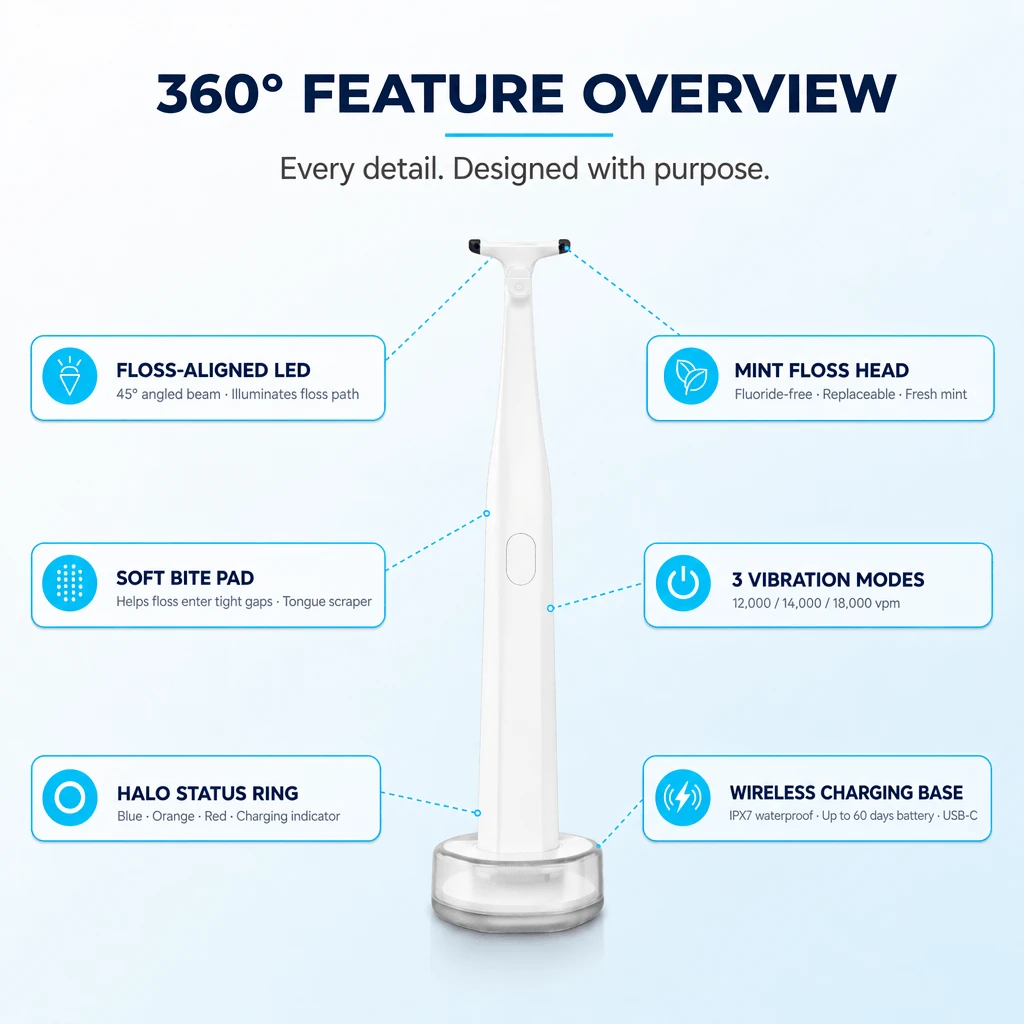
The Gold Rose LED Electric Flosser (Model Z9) represents an advanced technological solution for comprehensive halitosis control and interdental precision.
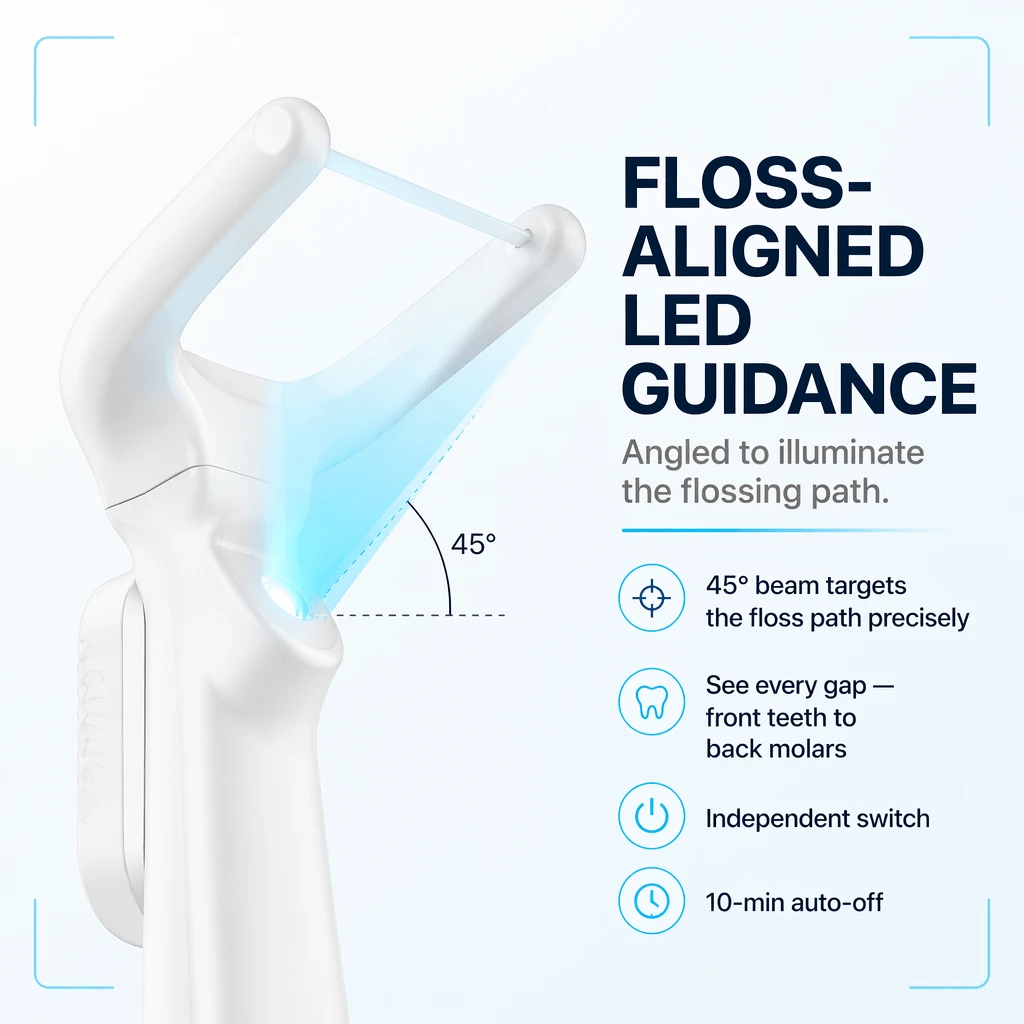
Engineered with an internal high-efficiency drive system delivering up to 18,000 sonic vibrations per minute across three adjustable speeds, the Z9 features a purpose-built 45-degree angled LED guidance beam that directly illuminates the floss path, eliminating blind spots when cleaning posterior molars where food stagnation frequently occurs.
A dynamic Halo Status Ring (blue, orange, red) displays active operating modes, while an integrated soft bite pad doubles as an effective tongue scraper to remove bacterial tongue coatings and neutralize volatile sulfur compounds at the source.
Paired with fluoride-free replaceable mint floss heads, an IPX7 waterproof rating, a countertop wireless induction charging base delivering 60 days of battery life per charge, and a 5-second travel lock, the Z9 is backed by BSCI, CE, RoHS, FCC, REACH, EMC, and EPA certifications with private-label production starting at 3,000 units.
The Gold Rose Electric Flosser For Teeth provides an accessible 2-in-1 interdental and lingual hygiene platform.
Combining high-frequency vibrating dental floss with a professional-grade soft silicone tongue scraper on the reverse face, the appliance tackles trapped interproximal debris and lingual bacteria in a single operational sequence.
The device features four tailored operating modes (Gentle, Clean, Strong, and Massage), a cordless ergonomic housing with wireless charging base compatibility, and a starter kit complete with 50 replacement floss heads, supported by factory-direct pricing, 1-year warranty coverage, and an MOQ of 1,000 units.
The Gold Rose Sonic Dental Cleaner features a powerful magnetic levitation drive delivering 30,000 sonic vibrations per minute coupled with an active 30-degree oscillating motion.
Designed to dislodge up to 99.9% of hidden interproximal food residues, the unit incorporates an integrated tongue scraper, three specialized cleaning modes (Milder, Clean, Massage), a wireless induction charging base, and an IPX7 waterproof chassis, available for private labeling from 1,000 units.
The Gold Rose Electric Toothbrush With Flosser delivers an integrated 3-in-1 home hygiene system combining sonic toothbrushing, woven floss interdental cleaning, and lingual scraping.
Operating at 30,000 vibrations per minute and powered by an internal 800 mAh rechargeable battery, this versatile IPX7 waterproof platform simplifies total mouth odor management, backed by an established factory capacity exceeding 70,000 units monthly from 500 units.
B2B Commercial Blueprint: Clinical Merchandising, Cross-Category Synergies, and Compliance
Commercial brand managers and healthcare buyers structuring retail oral health product lines must leverage clinical positioning and rigorous manufacturing standards:
Retail Merchandising and Breath-Care Category Synergy
To maximize average order value (AOV) and retail shelf differentiation, distributors should align flosser procurement with cohesive clinical breath-care bundles:
Comprehensive Intraoral & Extraoral Bundling: Pair 2-in-1 sonic flosser/tongue-scraper units with countertop ultrasonic cleaners (such as the Gold Rose US600 or US100) to provide a complete anti-halitosis ecosystem, allowing users to debride natural dentition intraorally while sanitizing orthodontic retainers, nightguards, or dentures extraorally to eliminate persistent acrylic odors.
Illuminated Diagnostic Positioning: Market LED-guided flossers (such as the Z9) in retail pharmacy aisles as professional-grade home diagnostic tools, highlighting the 45-degree beam's ability to reveal hidden food traps and posterior molar stagnation.
Consumable Reorder Economics: Offer starter kits bundled with 50-head replacement mint floss refills, establishing recurring consumable subscription models that drive sustained customer lifetime value (LTV).
Technical Quality Audits and Manufacturing Compliance Standards
Procurement specialists conducting supplier factory audits for personal care appliances must enforce five core engineering benchmarks:
Biocompatibility and Food-Contact Certification: Ensure that all molded nozzle plastics, elastomeric tongue scrapers, and floss filaments strictly comply with ISO 10993-5 (Cytotoxicity) and FDA 21 CFR regulations, verifying that materials are non-toxic, BPA-free, and safe for mucosal contact.
Waterproof Ingress Protection Testing: Mandate certified independent testing confirming strict compliance with IEC 60529 IPX7, ensuring the appliance withstands complete water immersion up to one meter for 30 minutes without moisture penetration into battery or motor compartments.
Harmonized Electrical Safety and EMC Directives: Verify third-party accredited laboratory test documentation covering CE (LVD 2014/35/EU and EMC 2014/30/EU), FCC Part 15 Subpart B, and RoHS 2011/65/EU, ensuring operational safety and environmental restriction of hazardous substances.
Lithium Battery Safety and Transport Accreditation: Require certified UN 38.3 test summaries alongside IEC 62133-2 and UL 1642 compliance, guaranteeing battery cell stability and seamless logistics clearance for commercial air and ocean shipping.
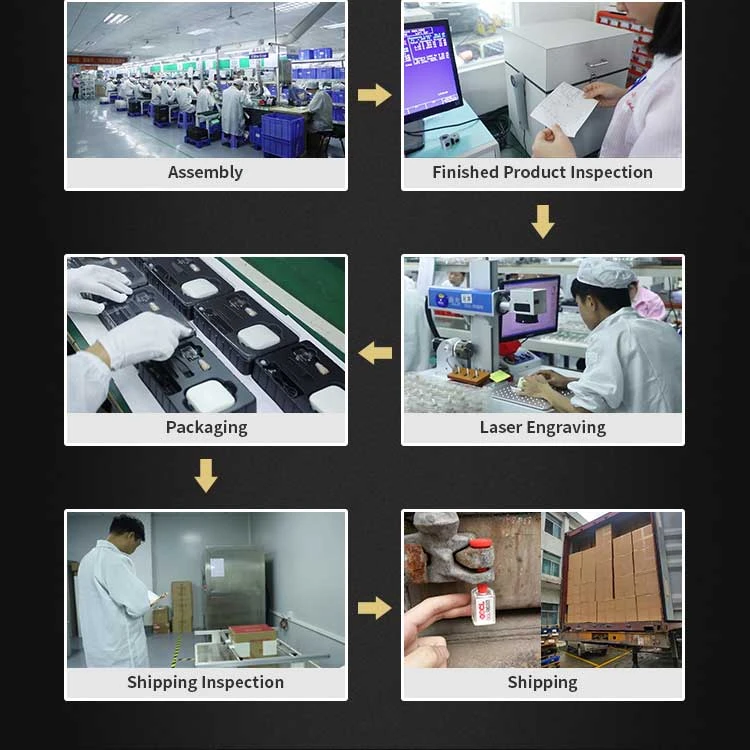
Quality Management System Certification: Source exclusively from manufacturing facilities accredited under ISO 13485:2016 (Medical Devices) and ISO 9001, ensuring automated SMT assembly, automated optical inspection (AOI), and pressure-decay leak testing across every production lot.
Frequently Asked Questions
Q1: Can an electric tooth flosser permanently cure chronic halitosis?
An electric tooth flosser effectively manages and eliminates genuine intraoral halitosis caused by anaerobic plaque and trapped food debris; however, if chronic malodor persists despite thorough interproximal and lingual cleaning, the patient should be evaluated by a dental professional for systemic etiologies such as chronic sinusitis, gastroesophageal reflux, or renal conditions.
Q2: Why is interdental cleaning more effective than brushing alone for bad breath?
Standard toothbrushing cleans only the facial, lingual, and occlusal surfaces of teeth, leaving the tight interproximal embrasures-which harbor dense, oxygen-deprived colonies of proteolytic anaerobic bacteria-untouched, allowing volatile sulfur compound production to continue unabated.
Q3: How does the integrated tongue scraper on an electric flosser improve breath freshness?
The posterior dorsum of the tongue harbors extensive bacterial coatings responsible for over half of all intraoral volatile sulfur compounds; utilizing an integrated sonic-assisted tongue scraper gently exfoliates these crypts, removing odor-causing bacteria far more thoroughly than rinsing or brushing alone.
Q4: Can pulsating water flossers help patients with orthodontic appliances or implants who suffer from bad breath?
Yes; orthodontic brackets, archwires, and implant abutments create complex retentive surfaces that trap food debris and accelerate anaerobic biofilm formation; pulsating fluid streams easily penetrate these structural boundaries to flush stagnant debris and arrest malodor.
Q5: What private-label OEM/ODM anti-halitosis configurations does Gold Rose provide?
Huizhou Gold Rose Technology Co., Ltd. provides full OEM/ODM private-label customization starting at 1,000 to 3,000 units, offering custom LED illumination angles, integrated dual-action silicone tongue scrapers, specialized mint-infused floss heads, custom housing colors, and full international certification documentation directly through goldrosa.com.
References
Scully, C., & Greenman, J. (2012). Halitosis (breath odor). Periodontology 2000, 48(1), 66–75.
Tangerman, A., & Winkel, E. G. (2007). Intra-oral halitosis: Investigation of the origin of volatile sulphur compounds. Journal of Clinical Periodontology, 34(5), 402–407.
Cortelli, C. A., et al. (2008). Halitosis: A review of associated factors and therapeutic approach. Brazilian Oral Research, 22(Suppl 1), 44–54.
International Organization for Standardization. (2016). ISO 13485:2016 Medical Devices - Quality Management Systems - Requirements for Regulatory Purposes. ISO Standards Catalogue, Geneva, Switzerland.
International Electrotechnical Commission. (2013). IEC 60529: Degrees of Protection Provided by Enclosures (IP Code). IEC Standards Catalogue, Geneva, Switzerland.