


Denture care has become an essential part of daily oral hygiene for millions of people worldwide. As dentures, retainers, and other removable dental appliances become more advanced, users are also looking for better ways to keep them clean, comfortable, and long-lasting.
One question that frequently arises among denture wearers is whether an ultrasonic dental cleaner can be used to clean dentures that still have denture adhesive residue.
As a supplier of ultrasonic dental cleaners, this is a topic we often help customers understand more clearly. The short answer is yes-ultrasonic dental cleaners can be used on denture adhesives in many cases, but the results and safety depend on proper usage, cleaning technique, and adhesive type.
In this article, we will explain how ultrasonic cleaning works, how it interacts with denture adhesives, and what precautions users should take to ensure safe and effective cleaning.
Understanding Ultrasonic Dental Cleaning Technology
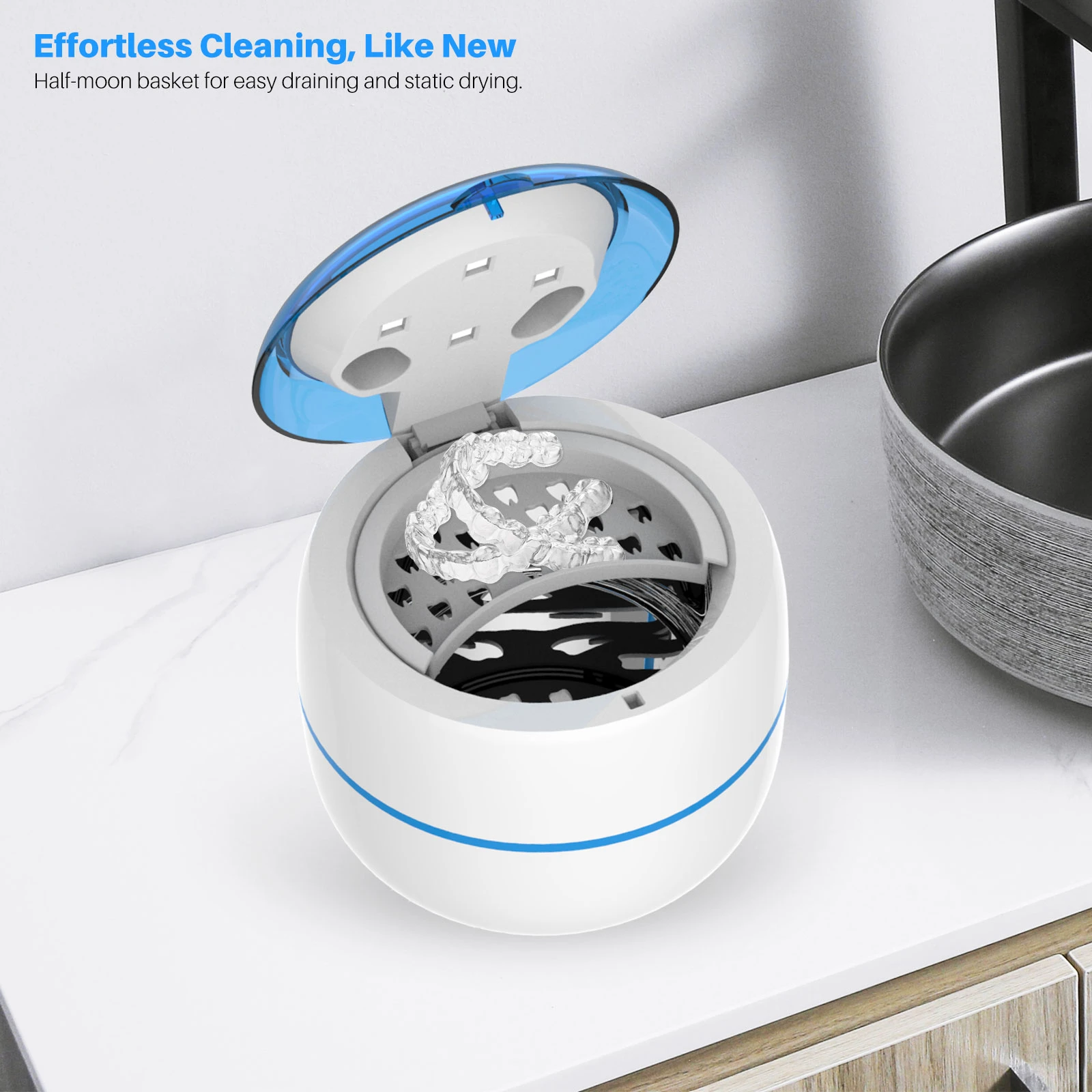
Ultrasonic dental cleaners are designed to provide deep cleaning for dentures, aligners, retainers, and other oral appliances using high-frequency sound waves.
These devices operate through a process known as cavitation.
How Cavitation Removes Residue and Bacteria
When an ultrasonic cleaner is filled with water or cleaning solution, it generates high-frequency vibrations that create microscopic bubbles.
These bubbles continuously form and collapse in the liquid, producing tiny but powerful energy bursts.
This process helps loosen and remove:
Food particles trapped on denture surfaces
Bacterial buildup
Plaque residues
Soft adhesive remnants
Unlike manual brushing, ultrasonic cleaning reaches microscopic grooves and hard-to-access areas without damaging delicate materials.
Gentle Yet Deep Cleaning Action
One of the main advantages of ultrasonic cleaning is that it does not rely on abrasive scrubbing.
This makes it particularly suitable for dentures and other prosthetic devices that require both effective cleaning and surface protection.
What Are Denture Adhesives and Why Do They Matter?
Denture adhesives are materials used to improve the stability and comfort of removable dentures. They help create a secure fit between the denture base and the gum tissue.
These adhesives are commonly available in several forms:
Cream-based adhesives
Powder adhesives
Adhesive strips
Why Adhesive Residue Builds Up
Over time, denture adhesives can accumulate in layers, especially in small crevices of the denture base.
This residue may contain:
Food particles
Oral bacteria
Hardened adhesive layers
If not properly cleaned, buildup may affect denture fit, hygiene, and comfort.
Common Problems Caused by Poor Cleaning
Improper removal of denture adhesive can lead to:
Bad breath
Gum irritation
Reduced adhesive effectiveness
Discoloration of denture surfaces
This is why proper cleaning methods, including ultrasonic cleaning, are increasingly being considered by denture users.
Can Ultrasonic Cleaners Be Used on Denture Adhesives?
Yes, ultrasonic dental cleaners can be used on dentures with adhesive residue, but they work best as part of a complete cleaning routine rather than a standalone adhesive removal method.
What Ultrasonic Cleaning Can Effectively Do
Ultrasonic cleaning is highly effective at loosening and removing:
Soft adhesive residue
Bacterial films on denture surfaces
Food particles trapped in small gaps
This helps restore cleanliness and improves overall hygiene.
What Ultrasonic Cleaning Cannot Fully Replace
While ultrasonic cleaning is powerful, it does not always completely remove thick or hardened adhesive layers on its own.
In some cases, manual pre-cleaning is still required to ensure optimal results.

Benefits of Using Ultrasonic Cleaners for Denture Adhesives
When used correctly, ultrasonic dental cleaners provide several important advantages for denture maintenance.
Deep Cleaning in Hard-to-Reach Areas
Denture bases often contain small grooves and irregular surfaces where adhesive residue can accumulate.
Ultrasonic cavitation helps reach these areas more effectively than manual brushing.
This ensures a more thorough cleaning experience.
Improved Hygiene and Oral Comfort
By removing bacteria and buildup, ultrasonic cleaning helps maintain a fresher and more hygienic denture surface.
This may contribute to:
Better oral comfort
Reduced odor formation
Improved gum health conditions
Helps Prepare Dentures for New Adhesive Application
One of the key benefits of ultrasonic cleaning is surface preparation.
A clean denture surface allows new adhesive to bond more effectively, improving stability and wear comfort throughout the day.
Time-Saving Cleaning Process
Compared to manual scrubbing, ultrasonic cleaning is faster and more convenient.
Users simply place the denture in the device, add water or cleaning solution, and start the cleaning cycle.
Important Precautions Before Using Ultrasonic Cleaners
Although ultrasonic cleaning is safe for most dentures, proper usage is essential for best results.
Check Manufacturer Guidelines
Different denture materials and adhesives may react differently to ultrasonic cleaning.
It is always recommended to follow:
Denture manufacturer instructions
Adhesive product guidelines
Ultrasonic cleaner user manual
This ensures safe compatibility and prevents unintended damage.
Pre-Clean Thick Adhesive Residue
For best results, users should gently remove excess adhesive before ultrasonic cleaning.
A soft toothbrush or damp cloth can help reduce heavy buildup.
This improves cleaning efficiency and prevents residue overload in the cleaning solution.
Use Appropriate Cleaning Solutions
Not all cleaning solutions are suitable for ultrasonic use.
Mild, non-corrosive, and denture-safe solutions are recommended.
Harsh chemicals should be avoided as they may damage denture materials or affect surface texture.
Inspect Dentures Regularly
After each cleaning cycle, dentures should be checked for:
Cracks
Surface wear
Loose components
If any damage is detected, professional dental consultation is recommended.

Step-by-Step Guide: Using Ultrasonic Cleaners for Denture Adhesives
To ensure safe and effective cleaning, follow a structured process.
Step 1: Remove Excess Adhesive
Gently remove as much visible adhesive as possible using a soft brush or cloth.
This helps prevent buildup inside the ultrasonic tank.
Step 2: Prepare Cleaning Solution
Fill the ultrasonic cleaner with water or a recommended denture cleaning solution.
Avoid overfilling and ensure proper immersion of the denture.
Step 3: Place Denture in Cleaner
Carefully place the denture into the cleaning chamber.
Ensure it is fully submerged and not touching the sides excessively.
Step 4: Start Cleaning Cycle
Run the ultrasonic cleaner for 3–10 minutes depending on the device model and level of buildup.
The cavitation process will begin loosening adhesive and debris.
Step 5: Rinse Thoroughly
After cleaning, rinse the denture under clean running water to remove loosened particles.
Step 6: Dry and Reapply Adhesive
Dry the denture gently before applying a new layer of adhesive for next use.
When Ultrasonic Cleaning May Not Be Enough
In some cases, ultrasonic cleaning alone may not fully remove all adhesive residue.
This is more common when:
Adhesive has hardened over time
Multiple layers have built up
Denture surfaces are heavily textured
In such cases, combining manual cleaning with ultrasonic cleaning provides the best results.
Why Ultrasonic Cleaners Are Becoming Popular in Denture Care
Ultrasonic dental cleaners are increasingly used because they combine convenience, hygiene, and efficiency.
Growing Demand for At-Home Denture Care
More users prefer home-based cleaning solutions rather than frequent professional cleaning visits.
Improved Oral Hygiene Awareness
Consumers are more aware of bacterial buildup risks and are seeking deeper cleaning solutions.
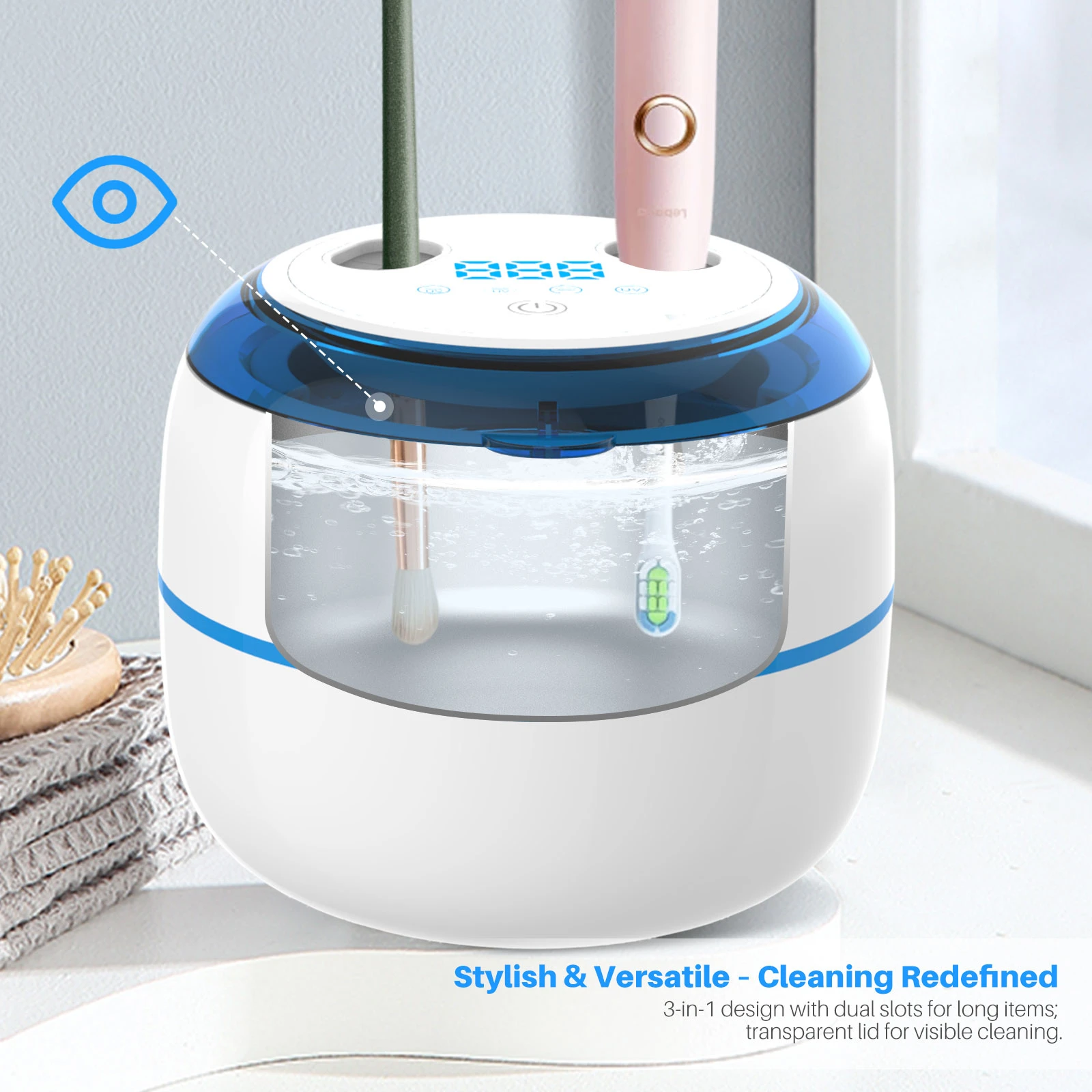
Compatibility with Multiple Dental Appliances
Ultrasonic cleaners are not limited to dentures-they can also clean:
Aligners
Retainers
Mouth guards
Toothbrush heads
This versatility makes them a valuable oral care investment.
Final Thoughts
Ultrasonic dental cleaners can indeed be used on dentures with adhesive residue, and they provide a highly effective way to maintain cleanliness, hygiene, and comfort.
However, they work best when used correctly and in combination with light manual pre-cleaning for heavy adhesive buildup.
By understanding how ultrasonic technology interacts with denture adhesives, users can achieve better cleaning results, improved denture performance, and a more comfortable daily experience.
As a supplier of ultrasonic dental cleaners, we continue to develop devices that offer safe, efficient, and user-friendly solutions for modern oral care needs.
FAQ
1. Can ultrasonic cleaners completely remove denture adhesive?
They can remove most soft residue, but thick or hardened adhesive may require light manual pre-cleaning.
2. Are ultrasonic cleaners safe for all types of dentures?
Most modern dentures are compatible, but users should always follow manufacturer instructions for safety.
3. How often should dentures with adhesive be cleaned ultrasonically?
Daily or regular use is recommended for maintaining hygiene, depending on usage habits.
4. Do I need special cleaning solution for ultrasonic denture cleaning?
Mild, denture-safe solutions are recommended, but many devices also work with clean water.
5. Can ultrasonic cleaning damage dentures?
When used correctly, ultrasonic cleaning is gentle and does not damage properly manufactured dentures.
References
American Dental Association (ADA) - Denture Care Guidelines
https://www.ada.org
Mayo Clinic - Denture Cleaning and Maintenance
https://www.mayoclinic.org
National Institutes of Health (NIH) - Dental Prosthesis Hygiene Studies
https://www.nih.gov
Journal of Prosthetic Dentistry - Ultrasonic Cleaning Effectiveness Research
https://www.sciencedirect.com
Cleveland Clinic - Oral Appliance Care and Hygiene
https://health.clevelandclinic.org