




Hey there! As a supplier of Self Fitting Hearing Aids, I've seen a lot of folks curious about the learning curve when it comes to using these nifty devices. So, let's dive right in and break it down.
First off, what are self - fitting hearing aids? Well, they're a game - changer in the world of hearing assistance. Unlike traditional hearing aids that often require multiple trips to an audiologist for fitting and adjustment, self - fitting hearing aids allow users to customize the settings themselves. You can check out more about them here: Self Fitting Hearing Aids.
The initial learning curve starts with unboxing. When you first get your self - fitting hearing aids, it might seem a bit overwhelming. There are usually a few components - the hearing aids themselves, charging cables, and maybe some cleaning tools. But don't worry! Most packages come with detailed instructions. The first step is to charge the devices. This is pretty straightforward - just plug them into the charger, and in a few hours, they're ready to go.
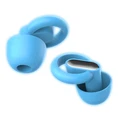
Once they're charged, the next big step is putting them in your ears. Now, this can be a bit tricky at first. Everyone's ear shape is different, so finding the right fit takes a little practice. You need to make sure the hearing aid sits comfortably and securely in your ear canal. Some self - fitting hearing aids come with different sized ear tips, so you can experiment to find the one that works best for you. It might take a few tries, but once you get it right, it'll feel like a natural part of you.
After getting the physical fit sorted, it's time to start adjusting the settings. This is where the real learning begins. Self - fitting hearing aids usually come with a smartphone app. Through this app, you can control various aspects of the hearing aid, like volume, tone, and even noise cancellation. For someone who's not very tech - savvy, this can seem like a daunting task. But most apps are designed to be user - friendly. They have simple sliders and buttons that make it easy to make adjustments.
Let's talk about the different levels of the learning curve for different types of users. For younger, tech - savvy people, the learning curve is usually pretty short. They're used to using smartphones and apps, so getting the hang of the hearing aid app is a breeze. They can quickly figure out how to adjust the settings to suit their needs. For example, if they're in a noisy restaurant, they can easily turn up the noise cancellation feature.
On the other hand, older users might find it a bit more challenging. They may not be as familiar with smartphones and apps. However, many self - fitting hearing aid manufacturers are aware of this and have made their apps as intuitive as possible. There are often step - by - step guides within the app, and some even offer customer support over the phone to help users through the setup process.
Another factor that affects the learning curve is the severity of hearing loss. People with mild hearing loss might find it easier to adjust to self - fitting hearing aids. They may only need minor adjustments to the settings to hear clearly. For those with more severe hearing loss, it might take a bit longer to find the perfect settings. They may need to experiment more with different frequency ranges and amplification levels.
Now, let's compare self - fitting hearing aids with other types of hearing devices. New OTC Hearing Aids are a similar option, but they may have different learning curves. OTC hearing aids are over - the - counter devices that don't require a prescription. Some OTC hearing aids are more basic in terms of features and settings, so the learning curve for those might be shorter. However, self - fitting hearing aids often offer more customization options, which can be great in the long run but might require a bit more time to learn.
OTC Hearing Assistance Devices are also in the same ballpark. These devices are designed to assist with hearing but may not be as sophisticated as self - fitting hearing aids. They might be easier to use right out of the box, but they may not provide the same level of personalized hearing experience.


As you progress through the learning curve, you'll start to notice some great benefits. You'll be able to hear conversations more clearly, enjoy music in a whole new way, and feel more confident in social situations. And the more you use your self - fitting hearing aids, the more comfortable you'll become with them.
One thing I'd like to mention is that patience is key. Don't expect to master everything overnight. It's normal to have a few bumps in the road as you're learning. If you're having trouble with a particular setting or feature, reach out to the customer support team. They're there to help you every step of the way.
So, if you're considering getting self - fitting hearing aids, don't let the learning curve scare you off. It might seem a bit intimidating at first, but with a little time and practice, you'll be a pro in no time. And as a supplier, I'm here to support you throughout your journey. Whether you have questions about the product, need help with the app, or just want some advice on getting the best fit, we're here for you.
If you're interested in purchasing our self - fitting hearing aids or want to learn more about our products, don't hesitate to get in touch. We're always happy to have a chat and discuss how our products can meet your hearing needs.
References
- General knowledge from working in the self - fitting hearing aid industry.
- Product manuals and guides provided by self - fitting hearing aid manufacturers.