


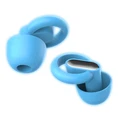


Tonsil stones can be uncomfortable, frustrating, and sometimes embarrassing because of the bad breath they may cause. As more people search for convenient at-home solutions, tonsil stone removers have become increasingly popular for helping users remove tonsil stones safely and efficiently.
However, many people focus only on using the device and forget an equally important step - cleaning the tonsil stone remover properly after each use.
Since a tonsil stone remover comes into direct contact with the mouth and throat, keeping it clean is essential for maintaining good oral hygiene and preventing bacteria buildup. A poorly cleaned device can introduce bacteria back into the tonsils and potentially increase the risk of irritation or infection.
In this guide, we'll explain why cleaning your tonsil stone remover matters, how to clean it correctly, what mistakes to avoid, and how proper maintenance can extend the lifespan of your device.
What Is a Tonsil Stone Remover?
A tonsil stone remover is a personal oral care tool designed to help remove tonsil stones, also known as tonsilloliths, from the tonsils.
Tonsil stones are small deposits made from bacteria, mucus, food particles, and dead cells that become trapped inside the crevices of the tonsils. Over time, these materials harden and form small white or yellow stones.
Many people experience symptoms such as bad breath, throat discomfort, irritation, or the feeling that something is stuck in the throat.
Tonsil stone removers are designed to help users gently remove these stones at home. Some devices use manual tools, while others use suction, water irrigation, or light-assisted designs for better visibility and easier cleaning.
Because these tools interact directly with sensitive oral tissues, proper cleaning and hygiene are extremely important.
Why Cleaning a Tonsil Stone Remover Is Important
Cleaning your tonsil stone remover is about much more than keeping the device looking clean. It directly affects oral health and user safety.
Preventing Bacteria Buildup
Tonsil stones contain bacteria and organic debris. During use, these substances can stick to the remover tip or other device surfaces.
If the device is not cleaned properly, bacteria may remain on the tool and multiply over time. The next time the remover is used, those bacteria may be introduced back into the mouth and throat.
Regular cleaning helps reduce contamination and supports healthier oral hygiene habits.
Reducing the Risk of Infection
The tonsils are sensitive tissues, and rough or unclean tools may increase the risk of irritation. A contaminated device may introduce additional bacteria into small cuts or inflamed areas inside the throat.
Proper cleaning and drying help minimize this risk and make the device safer for repeated use.
Extending Product Lifespan
Good maintenance can also improve the durability of the tonsil stone remover. Cleaning away debris and moisture helps prevent material wear, discoloration, and odor buildup over time.
A well-maintained device will typically perform better and remain more comfortable to use.

How to Clean a Tonsil Stone Remover Properly
Cleaning a tonsil stone remover does not need to be complicated, but it should be done carefully and consistently.
Step 1: Disassemble the Device if Necessary
Some tonsil stone removers include detachable tips, suction components, or water reservoirs. If your device has removable parts, carefully separate them before cleaning.
Disassembly allows you to access small crevices where moisture or debris may collect. Always follow the manufacturer's instructions when taking the device apart to avoid accidental damage.
Step 2: Rinse With Warm Water
After use, rinse the remover thoroughly under warm running water. This helps remove loose debris, mucus, and visible particles from the device surface.
Warm water can also help loosen residue before deeper cleaning begins.
Step 3: Use Mild Soap
Apply a small amount of mild soap to a soft cloth, sponge, or clean fingers. Gently clean all surfaces of the tonsil stone remover, paying extra attention to the tip or contact area.
Avoid harsh cleaners or abrasive chemicals that may damage the material or leave unwanted residue behind.
Gentle dish soap or mild hand soap is usually sufficient for routine cleaning.
Step 4: Clean Hard-to-Reach Areas
Some areas of the device may collect buildup over time, especially around seams or removable components.
A soft-bristled toothbrush or cleaning brush can help remove debris from narrow spaces. Use light pressure to avoid scratching or damaging the device.
Cleaning hard-to-reach areas regularly helps maintain hygiene and prevent odor buildup.
Step 5: Rinse Thoroughly
After washing, rinse the device carefully under warm water until all soap residue is removed.
Soap residue left on the device may irritate sensitive oral tissues during future use, so thorough rinsing is important.
Step 6: Dry Completely Before Storage
Moisture creates an environment where bacteria and mold may grow. After rinsing, dry the tonsil stone remover with a clean towel and allow it to air dry fully before storing it.
Proper drying is one of the most important steps in maintaining device hygiene.
Additional Tips for Keeping a Tonsil Stone Remover Hygienic
Basic cleaning is essential, but a few extra habits can help improve hygiene even further.
Use Alcohol Occasionally
Some users choose to wipe the remover with rubbing alcohol occasionally to help disinfect the surface. A cotton pad lightly dampened with alcohol can be used to clean the outer surfaces and tips.
However, alcohol should be used carefully and not excessively, especially on sensitive materials.
Always allow the device to dry completely before using it again.
Store the Device Properly
Storage conditions matter. A clean, dry storage case can help protect the remover from dust, moisture, and contamination.
Avoid leaving the device in damp bathroom environments where bacteria and mold may develop more easily.
Replace Worn Parts When Needed
If your tonsil stone remover includes replaceable tips or attachments, inspect them regularly for signs of wear, discoloration, or damage.
Replacing worn components helps maintain both safety and cleaning performance.

Can Ultrasonic Cleaners Help Clean Tonsil Stone Removers?
Ultrasonic cleaners have become increasingly popular for cleaning personal care tools and small accessories.
How Ultrasonic Cleaning Works
Ultrasonic cleaners use high-frequency sound waves to create microscopic bubbles in water. This process, called cavitation, helps remove debris and residue from small crevices and surfaces.
Because tonsil stone removers may contain narrow or difficult-to-clean areas, ultrasonic cleaning can provide additional support for deeper cleaning.
Benefits of Ultrasonic Cleaning
Ultrasonic cleaning may help remove buildup from areas that are difficult to reach manually. It can also reduce cleaning time and improve overall hygiene maintenance.
Many users appreciate the convenience of ultrasonic cleaning for oral care accessories, retainers, aligners, and small hygiene devices.
However, users should always confirm that the tonsil stone remover material is compatible with ultrasonic cleaning before use.
How Oral Hygiene Affects Tonsil Stones
Cleaning the remover itself is important, but maintaining good overall oral hygiene can also help reduce the formation of tonsil stones.
Bacteria Control Matters
Tonsil stones form when bacteria, food particles, and mucus become trapped in the tonsils. Reducing bacteria in the mouth may help lower the likelihood of stone formation.
Brushing, flossing, tongue cleaning, and regular mouth rinsing all contribute to better oral hygiene.
Hydration and Oral Health
Dry mouth may contribute to bacterial buildup and unpleasant breath. Staying hydrated can help maintain saliva production, which naturally supports oral cleanliness.
Routine Dental Care
Regular dental cleanings and oral examinations can help identify hygiene issues that may contribute to tonsil stone formation.
Professional dental care remains an important part of long-term oral health.
Common Mistakes to Avoid
Some cleaning mistakes may reduce the lifespan of the device or create unnecessary hygiene risks.
Using Harsh Chemicals
Strong chemicals or bleach-based cleaners may damage the remover material or leave harmful residue behind.
Gentle cleaning products are usually the safest option.
Storing the Device While Wet
Placing the device into a storage container before it is fully dry can encourage bacterial growth.
Always allow complete drying before storage.
Sharing Personal Oral Care Devices
Tonsil stone removers should be treated as personal hygiene items and should not be shared between users.
Sharing may increase the risk of cross-contamination and bacterial transmission.

Choosing a High-Quality Tonsil Stone Remover
Not all tonsil stone removers are designed with the same level of safety and durability.
Consumers should look for devices made from high-quality, medical-grade, or food-safe materials. Ergonomic designs and easy-to-clean structures can also improve user experience and maintenance.
Some advanced models include LED lights, suction functions, or adjustable cleaning settings for added convenience.
Reliable manufacturers also provide cleaning instructions and safety guidance to help users maintain proper hygiene.
Final Thoughts
Cleaning a tonsil stone remover properly is an essential part of maintaining oral hygiene and ensuring safe long-term use.
Because these devices come into direct contact with bacteria, mucus, and sensitive throat tissues, regular cleaning helps reduce contamination risks and improves overall device performance.
Simple habits such as rinsing thoroughly, using mild soap, drying completely, and storing the device properly can make a significant difference in hygiene and durability.
For users who regularly deal with tonsil stones, combining a clean tonsil stone remover with good oral hygiene practices can support a healthier and more comfortable oral care routine.
Contact Us for Your Tonsil Stone Remover Needs
If you're in the market for a high - quality tonsil stone remover or have any questions about cleaning or using these devices, don't hesitate to reach out. We're here to help you find the best solution for your oral health needs. Whether you're a retailer looking to stock our products or an individual consumer, we can provide you with all the information you need. Let's work together to keep those tonsil stones at bay!
FAQ
1. How often should I clean my tonsil stone remover?
You should clean your tonsil stone remover after every use to help prevent bacteria buildup and maintain proper hygiene.
2. Can I use alcohol to disinfect a tonsil stone remover?
Yes, occasional use of rubbing alcohol may help disinfect the device surface, but the remover should be rinsed and dried properly afterward.
3. Is it safe to clean a tonsil stone remover with hot water?
Warm water is generally recommended. Extremely hot water may damage certain materials depending on the device design.
4. Can ultrasonic cleaners be used for tonsil stone remover cleaning?
Some tonsil stone removers may be compatible with ultrasonic cleaning, but users should always check the manufacturer's recommendations first.
5. Why is drying the device important?
Moisture can encourage bacteria or mold growth. Thorough drying helps maintain a cleaner and safer oral care tool.
References
Cleveland Clinic - Tonsil Stones Overview
https://health.clevelandclinic.org/tonsil-stones
Mayo Clinic - Oral Hygiene Basics
https://www.mayoclinic.org
American Dental Association - Oral Health Recommendations
https://www.ada.org
Healthline - Causes and Prevention of Tonsil Stones
https://www.healthline.com/health/tonsil-stones
National Institutes of Health - Oral Bacteria and Hygiene Research
https://www.nih.gov