


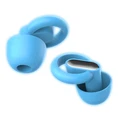


As a supplier of Self Fitting Hearing Aids, I've witnessed firsthand the growing popularity of these devices. They offer a convenient and cost - effective alternative to traditional, professionally - fitted hearing aids. However, it's essential to be transparent about their disadvantages. In this blog, I'll delve into the drawbacks of self - fitting hearing aids to help potential users make informed decisions.
1. Inaccurate Fitting
One of the most significant disadvantages of self - fitting hearing aids is the potential for an inaccurate fit. Unlike professional fittings, where an audiologist uses specialized equipment and expertise to ensure the device fits perfectly in the ear canal, self - fitting relies on the user's own judgment. This can lead to several issues.
Firstly, an improper fit can cause discomfort. If the hearing aid is too large, it may press against the ear canal walls, causing pain and irritation. On the other hand, if it's too small, it may not stay in place, constantly falling out and disrupting the user's daily activities. Moreover, an ill - fitting hearing aid can also result in sound leakage. Sound that escapes from the ear canal can cause feedback, a high - pitched whistling sound that is not only annoying but can also interfere with the user's ability to hear clearly.
2. Limited Customization
Self - fitting hearing aids typically offer limited customization options compared to those fitted by professionals. Audiologists can fine - tune hearing aids based on an individual's specific hearing loss profile, which is determined through comprehensive hearing tests. These tests measure the degree and type of hearing loss in different frequencies.

In contrast, self - fitting hearing aids often come with pre - set programs that are designed to address general hearing loss patterns. They may not be able to accurately adjust to the unique needs of each user. For example, a person with a high - frequency hearing loss may require a different amplification setting than someone with a low - frequency loss. Without the ability to customize the settings precisely, the user may not experience optimal hearing improvement.
3. Lack of Professional Guidance
When purchasing a self - fitting hearing aid, users miss out on the valuable professional guidance that comes with a traditional fitting. Audiologists are trained to not only fit hearing aids but also to educate patients on how to use and maintain them properly. They can provide advice on how to clean the device, change batteries, and troubleshoot common problems.
Without this guidance, users may encounter difficulties in using their hearing aids effectively. For instance, they may not know how to adjust the volume or switch between different programs correctly. Additionally, if a problem arises with the hearing aid, such as sudden changes in sound quality or malfunction, users may not have the knowledge or skills to resolve it on their own. This can lead to frustration and a reduced likelihood of continued use of the hearing aid.
4. Inadequate Assessment of Underlying Conditions
Audiologists are trained to conduct thorough evaluations to identify any underlying medical conditions that may be contributing to hearing loss. Some hearing problems may be caused by ear infections, tumors, or other health issues that require medical treatment. By simply self - fitting a hearing aid, users may overlook these underlying conditions.
Ignoring a treatable medical condition can have serious consequences. For example, an untreated ear infection can lead to permanent hearing damage. In a professional setting, an audiologist can refer the patient to an otolaryngologist (ear, nose, and throat doctor) for further evaluation and treatment if necessary. With self - fitting hearing aids, this crucial step in the diagnostic process is often skipped.
5. Technical Complexity for Some Users
Self - fitting hearing aids often rely on mobile apps or other digital interfaces for setup and adjustment. While these technologies can be convenient for tech - savvy users, they can be a significant challenge for those who are less comfortable with technology.
Older adults, who are more likely to experience hearing loss, may find it difficult to navigate the app or understand the instructions. They may struggle with tasks such as pairing the hearing aid with their smartphone, downloading updates, or adjusting the settings. This can make the self - fitting process frustrating and may discourage some users from using the hearing aid altogether.
6. Warranty and Support Issues
The warranty and support offered for self - fitting hearing aids may be less comprehensive than those provided with professionally fitted devices. Some self - fitting hearing aid manufacturers may offer limited warranties, which may not cover all types of malfunctions or damages.
In addition, the support services available for self - fitting hearing aids may be less accessible. Professional audiology clinics usually have dedicated customer support teams that can assist patients in person or over the phone. With self - fitting hearing aids, users may have to rely on online resources or email support, which may not be as responsive or effective in resolving issues.
Conclusion
While self - fitting hearing aids offer certain advantages, such as convenience and lower cost, they also come with several significant disadvantages. Inaccurate fitting, limited customization, lack of professional guidance, inadequate assessment of underlying conditions, technical complexity for some users, and warranty and support issues are all factors that potential users should consider.
If you're interested in learning more about our [Self Fitting Hearing Aids] or have any questions regarding the product, we encourage you to reach out to us for a procurement discussion. We're here to help you make the best decision for your hearing needs.
It's important to note that there are also other useful products in the health and wellness category. For example, if you're looking for oral care products, you might be interested in the Tooth Flosser Electric, the Denture Ultrasonic Plaque Remover, or the Rechargeable Ultrasonic Cleaner.
References
- American Academy of Audiology. (2023). Best Practices for Hearing Aid Fitting.
- National Institute on Deafness and Other Communication Disorders. (2022). Understanding Hearing Loss.
- World Health Organization. (2021). Global Burden of Hearing Loss.