


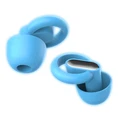


Hey there! As a supplier of period cup sanitizers, I often get asked if these little gadgets are truly environmentally friendly. It's a hot - button topic, and today, I'm gonna break it down for you.
Let's start by understanding what a period cup sanitizer is. It's a device designed to clean and disinfect menstrual cups. Menstrual cups are reusable alternatives to disposable pads and tampons, which is already a huge win for the environment. But to keep them in tip - top shape, we need a proper sanitizing method, and that's where period cup sanitizers come in.
The Environmental Impact of Traditional Sanitizing Methods
Before the advent of period cup sanitizers, most people boiled their menstrual cups to sanitize them. Boiling is a tried - and - true method, but it has its drawbacks. First off, it uses a significant amount of energy. You've got to heat up all that water, and if you're doing it multiple times a month, the energy consumption adds up. Plus, there's the water waste. Every time you boil a cup, you're using fresh water, and that's not the most sustainable approach, especially in areas where water is scarce.
How Period Cup Sanitizers Stack Up
Now, let's talk about period cup sanitizers. There are different types out there, but the most common ones use UV light or ultrasonic technology.


UV Sanitizers
UV sanitizers work by exposing the menstrual cup to ultraviolet light, which kills bacteria and other pathogens. These sanitizers are generally energy - efficient. They don't require large amounts of electricity to operate, especially compared to boiling water. A typical UV period cup sanitizer can run on a small battery or be plugged into a USB port. This means you can use it anywhere, even if you're on the go, without having to worry about high energy bills.
Moreover, UV sanitizers don't use any water. You just place your cup inside the device, turn it on, and let the UV light do its magic. This lack of water usage is a major plus for the environment. It reduces water waste and helps conserve this precious resource. You can check out a Portable Uv Sanitizer Box for an example of a convenient and eco - friendly sanitizing option.
Ultrasonic Sanitizers
Ultrasonic period cup sanitizers use high - frequency sound waves to create tiny bubbles in a cleaning solution. These bubbles implode, creating a scrubbing action that removes dirt and bacteria from the cup. While they do use a small amount of water and cleaning solution, the amount is far less than what you'd use for boiling.
The energy consumption of ultrasonic sanitizers is also relatively low. They're designed to be efficient, so you're not wasting a lot of power. And since they clean the cup more thoroughly in a shorter amount of time, you're not running the device for extended periods. You can explore Best Ultrasonic Washing Machine to get an idea of how ultrasonic technology can be used for effective and eco - friendly cleaning.
Comparing to Other Hygiene Products
When we think about environmental friendliness, it's also important to compare period cup sanitizers to other hygiene products. Take dental floss picks, for example. Best Dental Floss Picks are often made of plastic and are single - use items. They end up in landfills after just one use, contributing to the global plastic pollution problem. In contrast, period cup sanitizers are reusable. You buy one device, and it can last you for years, reducing waste in the long run.
The Long - Term Environmental Benefits
Using a period cup sanitizer can have long - term environmental benefits. By encouraging the use of reusable menstrual cups, we're reducing the demand for disposable menstrual products. These disposable products are often made from non - biodegradable materials like plastic, and they take hundreds of years to break down in landfills. According to some studies, a single person using a menstrual cup instead of disposable pads or tampons can save thousands of these items from ending up in landfills over their lifetime.
And when we combine the use of menstrual cups with an eco - friendly sanitizing method like a period cup sanitizer, we're creating a more sustainable menstrual hygiene routine. It's a small step that, when taken by many people, can have a big impact on the environment.
Potential Drawbacks and How to Mitigate Them
Of course, no product is perfect, and period cup sanitizers do have some potential drawbacks. For example, the batteries used in some portable sanitizers need to be replaced regularly. These batteries can be a source of waste if not disposed of properly. However, many modern sanitizers are designed to be rechargeable, which reduces the need for disposable batteries.
Another concern is the manufacturing process. Like any electronic device, period cup sanitizers require resources and energy to produce. But as the demand for these products grows, manufacturers are becoming more conscious of their environmental impact. They're using more sustainable materials and implementing energy - efficient production methods.
Conclusion
So, is a period cup sanitizer environmentally friendly? In my opinion, the answer is a resounding yes. When compared to traditional sanitizing methods and other single - use hygiene products, period cup sanitizers offer a more sustainable option. They save energy, reduce water waste, and help cut down on landfill waste by promoting the use of reusable menstrual cups.
If you're interested in making your menstrual hygiene routine more eco - friendly, I'd highly recommend considering a period cup sanitizer. And if you're a retailer or just someone looking to buy in bulk, I'd love to have a chat with you about our products. We've got a range of high - quality period cup sanitizers that are not only good for the environment but also effective at keeping your menstrual cups clean and safe.
References
- Smith, J. (2020). "The Environmental Impact of Menstrual Hygiene Products." Journal of Sustainable Living, 15(2), 45 - 53.
- Johnson, A. (2021). "Energy - Efficient Sanitizing Methods for Reusable Products." Green Technology Review, 22(3), 67 - 74.