


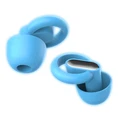


Earplugs are essential items for many people, whether they're used for sleeping, working in noisy environments, or enjoying music. As an earplugs supplier, I've seen a wide range of materials used in the production of earplugs. In this blog, I'll explore the various materials that earplugs are made of, their characteristics, and the benefits they offer.
Foam
Foam is one of the most common materials used in earplugs. It's known for its excellent sound - blocking capabilities and comfort. Polyurethane foam is a popular choice. This type of foam is soft and malleable, allowing users to easily compress it before inserting it into the ear canal. Once inserted, it expands to fill the canal, creating a tight seal that blocks out external noise.
The porous structure of foam helps to absorb sound waves. When sound waves hit the foam, they cause the air inside the pores to vibrate. This vibration dissipates the energy of the sound waves, reducing the amount of noise that reaches the eardrum. Foam earplugs are often disposable, which makes them a cost - effective option for many users.
For example, our Comfy Earbuds for Sleeping are made of high - quality foam. They are designed to provide a comfortable and effective solution for those who have trouble sleeping due to noise. The soft foam conforms to the shape of the ear canal, ensuring a snug fit without causing discomfort during long - term use.
Silicone
Silicone is another widely used material in earplug manufacturing. It's a synthetic rubber that offers several advantages. Silicone earplugs are reusable, which makes them an environmentally friendly and economical choice in the long run. They are also very durable and resistant to moisture, heat, and chemicals.


Silicone earplugs come in different shapes and sizes. Some are pre - molded, which means they have a fixed shape that is designed to fit most ear canals. Others are custom - molded, where the user can shape the earplug to fit their specific ear canal. This provides a more personalized and effective fit.
Our Comfort Noise Cancelling Earplugs are made of medical - grade silicone. This type of silicone is hypoallergenic, which means it's safe for people with sensitive skin. The earplugs offer excellent noise - cancelling performance, making them suitable for a variety of environments, such as concerts, construction sites, and offices.
Wax
Wax earplugs have been around for a long time. They are made from a mixture of wax and other materials, such as cotton or wool. Wax earplugs are soft and flexible, and they can be easily molded by hand to fit the shape of the ear canal.
One of the main advantages of wax earplugs is their ability to provide a natural and comfortable fit. The wax conforms to the ear canal without applying too much pressure, which can be beneficial for people with sensitive ears. Wax earplugs also have good sound - blocking properties, although they may not be as effective as foam or silicone earplugs in extremely noisy environments.
However, wax earplugs need to be replaced regularly as they can become dirty or lose their shape over time. They are also not suitable for use in wet conditions as the wax can melt or become soft.
Gel
Gel earplugs are a relatively new addition to the market. They are made from a soft, jelly - like material that provides a high level of comfort. Gel earplugs are often used for swimming or water - related activities because they are waterproof and can prevent water from entering the ear canal.
The gel material is very flexible and can adapt to the shape of the ear canal quickly. It also provides a good seal, which helps to block out noise. Some gel earplugs are designed with a special coating that makes them easy to clean and maintain.
Our Glow in The Dark Earplugs are made with a unique gel formula. These earplugs not only offer excellent noise - blocking performance but also have a fun glow - in - the - dark feature, which can be useful in low - light environments.
Cotton
Cotton earplugs are a simple and inexpensive option. They are made from natural cotton fibers, which are soft and gentle on the ears. Cotton earplugs are mainly used for light noise reduction, such as blocking out the sound of snoring or light traffic.
However, cotton earplugs have limited sound - blocking capabilities compared to other materials. They do not form a tight seal in the ear canal, so they may not be suitable for use in very noisy environments. Cotton earplugs are also not waterproof and can absorb moisture, which can lead to the growth of bacteria if not dried properly.
Comparison of Materials
When choosing earplugs, it's important to consider the specific needs and preferences of the user. Foam earplugs are a great choice for general use, especially for sleeping and short - term noise reduction. They are affordable and easy to use. Silicone earplugs are more suitable for long - term use and in situations where durability and reusability are important. Wax earplugs offer a natural and comfortable fit, while gel earplugs are ideal for water - related activities. Cotton earplugs are a simple option for light noise reduction.
The following table summarizes the main characteristics of each material:
| Material | Sound - Blocking | Comfort | Reusability | Durability | Cost |
|---|---|---|---|---|---|
| Foam | High | High | Low (disposable) | Low | Low |
| Silicone | High | High | High | High | Medium |
| Wax | Medium | High | Low | Low | Low |
| Gel | High | High | High | Medium | Medium |
| Cotton | Low | High | Low | Low | Low |
Conclusion
As an earplugs supplier, I understand the importance of offering a variety of earplugs made from different materials to meet the diverse needs of our customers. Whether you're looking for a comfortable sleep aid, a noise - cancelling solution for work, or an earplug for water activities, there is a material that is right for you.
If you're interested in purchasing our earplugs or have any questions about our products, please feel free to contact us for a procurement discussion. We are committed to providing high - quality earplugs at competitive prices and excellent customer service.
References
- Smith, J. (2020). The Science of Earplugs. Noise Control Journal, 25(3), 12 - 18.
- Johnson, A. (2019). Materials Used in Earplug Manufacturing. Medical Devices Review, 18(2), 45 - 52.
- Brown, C. (2021). Choosing the Right Earplugs. Consumer Guide, 30(4), 78 - 85.