






Introduction: The Hidden Barrier to Oral Health
Does the thought of flossing make you wince? For millions of people, a daily oral hygiene routine is interrupted by a common, painful obstacle: sensitive gums. You know the feeling-the sharp sting when a piece of string floss snaps against the tissue, followed by the sight of blood in the bathroom sink. It is more than just discomfort; it is a psychological barrier that causes many to skip flossing altogether.
However, skipping flossing is not the solution. It is a dangerous compromise. When plaque and food particles remain trapped between teeth, they harden into tartar, leading to gingivitis, gum recession, and eventually tooth loss. The challenge, therefore, is not whether to floss, but how to floss without causing trauma.
Enter the Motorized Electric Flosser. Unlike high-pressure water flossers that can feel like a power-washer on a sore wound, or traditional string that acts like a saw, modern motorized flossers use high-frequency vibrations to disrupt plaque. This guide will walk you through everything you need to know about choosing the best electric flosser for sensitive gums, ensuring your journey to a healthy smile is as comfortable as it is effective.
The Anatomy of Sensitivity: Why Your Gums Hurt
To choose the right tool, we must first understand the "enemy." Sensitive gums are rarely a standalone issue. They are typically caused by one of three things:
Gingival Inflammation (Gingivitis)
This is the earliest stage of gum disease. When plaque builds up at the gum line, your body sends extra blood to the area to fight the bacteria. This makes the tissue swollen, red, and extremely prone to bleeding at the slightest touch.
Gum Recession
If the gums have started to pull away from the tooth, they expose the cementum-the layer covering the tooth root. Unlike enamel, the root surface is porous and highly sensitive to temperature and physical pressure.
Mechanical Trauma
Ironically, the very act of cleaning can cause sensitivity. "Floss hollowing" or "floss cuts" occur when traditional string is pulled too hard into the gingival sulcus (the pocket between the tooth and gum).
For these conditions, a "brute force" cleaning method is counterproductive. You need a tool that relies on frequency rather than friction.
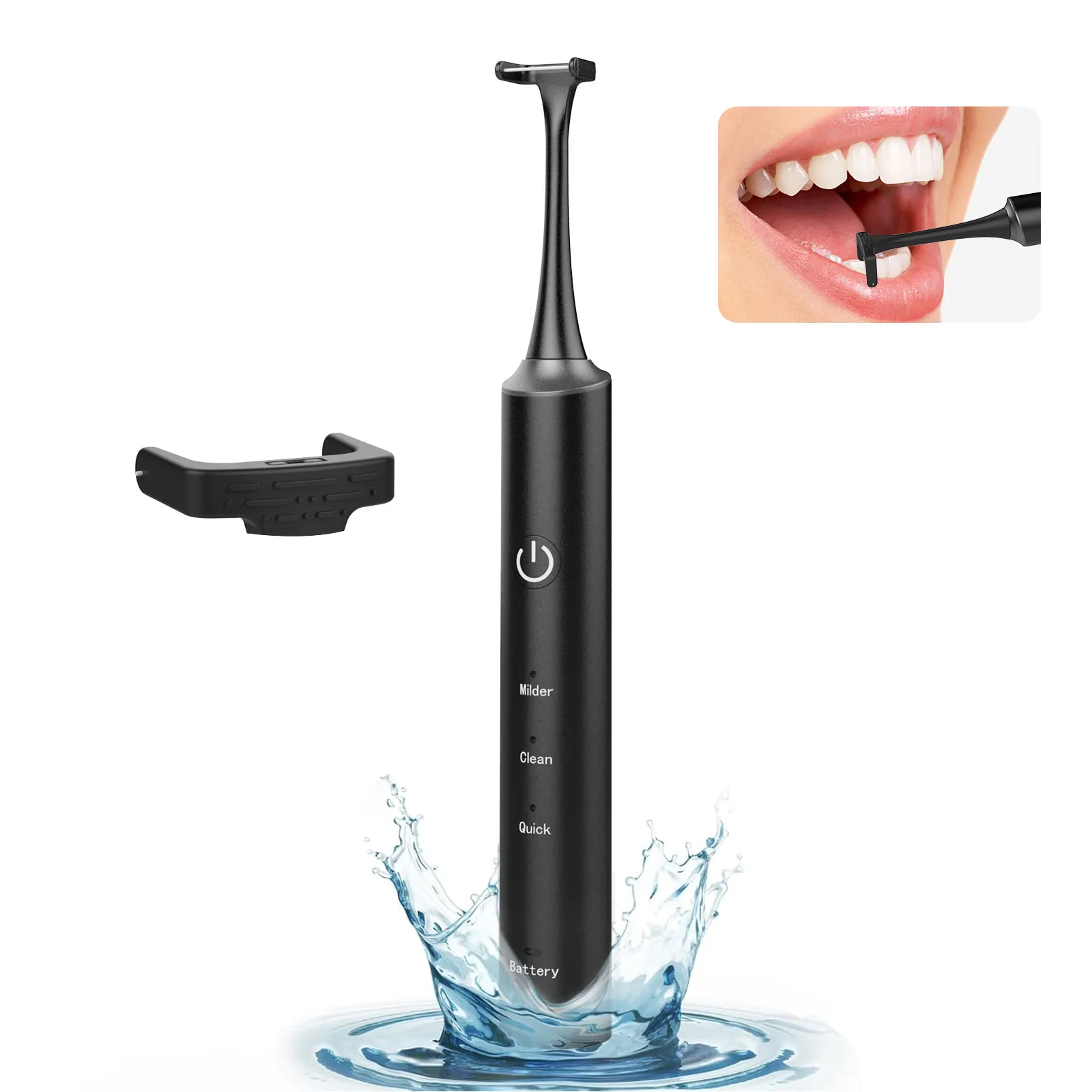
Motorized Electric Flossing: A New Standard for Sensitivity
In the dental world, we often talk about the "Big Three" of interdental cleaning: String, Water, and Motorized.
Why String Fails the Sensitive User
String floss requires manual dexterity. To get between tight teeth, you must apply significant downward force. When the resistance finally breaks, the string "snaps" onto the gum. For someone with inflammation, this is like hitting a bruise with a wire.
The Problem with Water Flossers (Hydro-static Pressure)
While water flossers are effective, they come with a steep learning curve. The pressurized stream can be unpredictable. If the water hits a sensitive pocket or an exposed root at the wrong angle, the sensation is often described as a "stinging" or "shocking" pain. Furthermore, the mess of water splashing across the bathroom can make it a chore rather than a habit.
The Goldrosa Advantage: Motorized Sonic Vibration
The motorized electric flosser-specifically the types featured at Goldrosa-occupies the perfect middle ground. It uses a specialized tip that vibrates at sonic frequencies. Instead of "scraping" the tooth, the vibrations create a phenomenon called Acoustic Streaming. This disrupts the plaque biofilm and flushes out bacteria using only a tiny amount of moisture (your own saliva), without the need for high-pressure water or abrasive string movement.
What to Look For: The Checklist for Sensitive Gums
When shopping for an electric flosser, not all devices are created equal. If sensitivity is your primary concern, look for these specific engineering features.
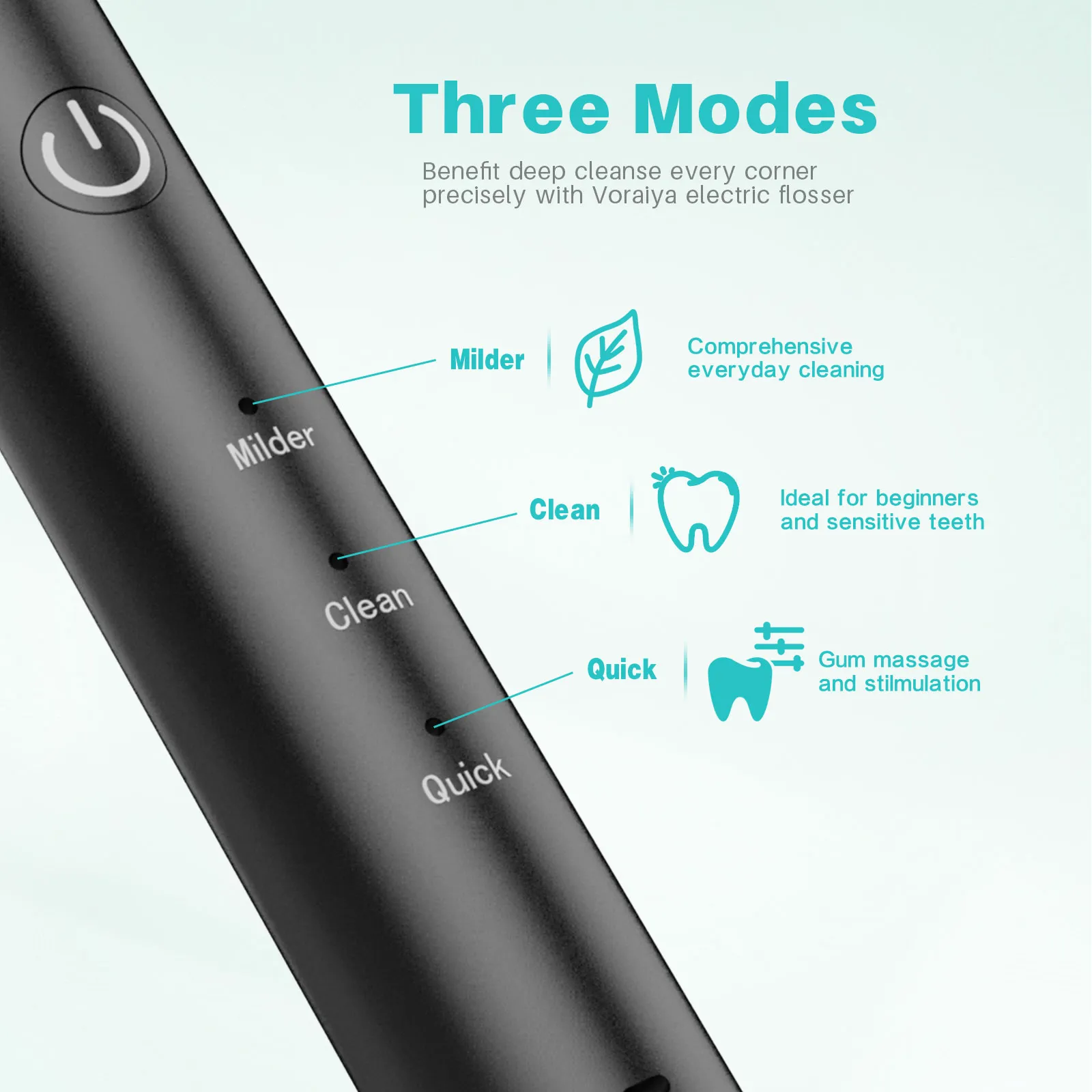
A. Adjustable Vibration Intensity
A premium device should never be "on or off." Sensitive gums require a gradual acclimation period. Look for a flosser with at least three settings:
Soft/Gentle:
Specifically designed for inflamed tissue. It provides a low-amplitude vibration that feels like a light massage.
Pulse:
A rhythmic vibration that helps dislodge larger food particles without constant pressure.
Standard:
For the healthier areas of your mouth that can handle a more vigorous clean.
B. Material Science: The Tip Matters
The tip of the flosser is the "handshake" between technology and your body. For sensitive users, the material is everything.
Medical-Grade Silicone:
This is the gold standard for sensitivity. Silicone is soft, hypoallergenic, and non-porous. It cushions the vibration against the gum line while still being firm enough to sweep away plaque.
Flexible Tapered Tips:
Look for tips that are thin and flexible at the end. This allows the device to reach deep into the interproximal space without poking the soft tissue.
C. Ergonomics and "Micro-Control"
When your gums are sore, you need precision. A bulky, heavy device makes it difficult to navigate the back of your mouth. A high-quality electric flosser should be:
Lightweight:
Similar to the weight of a high-end pen.
Non-Slip:
Because your hands will be wet, a silicone or textured grip prevents accidental slips that could lead to gum pokes.
D. Silent Motor Technology
It may seem minor, but the loud "grinding" sound of a cheap motor can be jarring. High-end sonic flossers are nearly silent, providing a calm, spa-like experience that reduces the anxiety often associated with oral care.
The 14-Day Transformation: How Gums Heal
One of the most common questions we hear at Goldrosa is: "Will it ever stop hurting?"
The answer is yes. The beauty of motorized flossing is that it doesn't just clean; it rehabilitates. When you use gentle sonic vibrations:
Days 1-3:
1. You may still see a tiny amount of blood. This is normal-it is the "old" blood leaving the inflamed tissue.
Days 4-7:
2. The vibrations act as a massage, increasing blood circulation to the gums. This brings oxygen and nutrients to the site, accelerating the healing of the tissue.
Days 10-14:
3. The inflammation subsides. Your gums turn from a "angry red" to a "healthy coral pink." The sensitivity to temperature and touch begins to vanish because the bacterial load is finally under control.
Specialized Use Cases: Who Benefits Most?
While anyone with sensitivity should consider an electric flosser, certain groups will find it life-changing.
The "Tight Tooth" Sufferer
If your teeth are so close together that you frequently break string floss, you likely avoid flossing out of frustration. The motorized tip uses vibration to "wiggle" its way into tight gaps effortlessly, eliminating the need for force.
Orthodontic Patients (Braces)
Braces are a magnet for plaque, and they make the gums incredibly tender. An electric flosser can navigate around brackets and under wires without the snagging and pulling associated with string.
Dental Implant and Bridge Owners
Implants require meticulous care, but the tissue around them can be delicate. The non-abrasive nature of a vibrating silicone tip is the safest way to ensure the longevity of your dental work without scratching the porcelain or irritating the surrounding gums.
How to Use Your Electric Flosser: The Professional Technique
Even the best tool is only as good as the hand that holds it. For sensitive gums, follow the "Glide and Guide" method:
Preparation:
1. Do not turn the device on yet. Place the tip in the gap between two teeth at a 45-degree angle toward the gum line.
Activation:
2. Turn the device to the "Soft" setting.
The C-Shape:
3. Gently move the vibrating tip along the curve of one tooth, then the other. You don't need to "scrub"-the vibration does the work.
Transition:
4. Turn the device off (or move quickly) to the next gap. Spend about 5 seconds per tooth.
Post-Care:
5. Rinse your mouth with lukewarm water or a non-alcohol based mouthwash to soothe the area.
Maintaining Your Goldrosa Flosser
To ensure your device remains a hygienic partner in your health:
Rinse After Every Use:
Ensure no toothpaste or saliva remains on the tip.
Quarterly Tip Replacement:
Over time, the silicone or nylon can develop microscopic tears that harbor bacteria. Replace the tip every 90 days.
Keep it Charged:
A low battery can lead to inconsistent vibration frequencies, which might decrease comfort. Modern lithium-ion batteries only need a quick charge once a month.
Conclusion: Don't Let Sensitivity Stop Your Smile
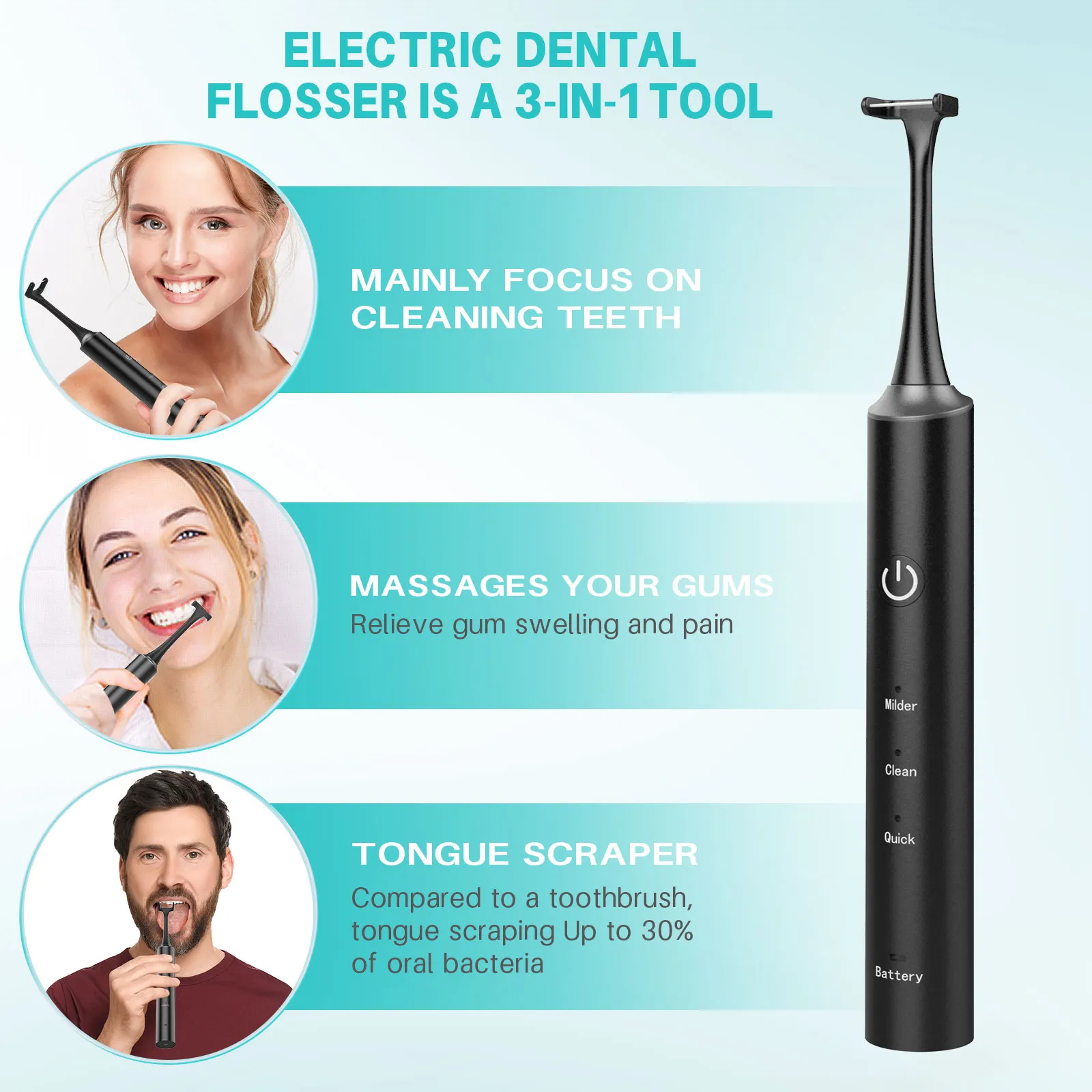
Sensitive gums are a signal from your body that it needs better care-not less care. By switching from abrasive, manual methods to the refined technology of a motorized electric flosser, you remove the "pain factor" from your hygiene routine.
Explore the curated selection of professional dental tools at Goldrosa. We believe that everyone deserves a world-class smile, and that the path to health should never be a painful one. Start your journey today, and experience the difference that sonic technology can make for your sensitive gums.
FAQs
1. Is an electric flosser as effective as string floss?
Yes. Clinical studies have shown that high-frequency vibrating flossers are just as effective, and in many cases more effective, than string floss because they are easier to use correctly. Users are more likely to floss daily when the process is painless.
2. Can I use it with receding gums?
Absolutely. In fact, it is highly recommended. Because there is no "sawing" motion, you won't further irritate the exposed root surfaces. The gentle massage can also help keep the remaining gum tissue healthy and firm.
3. Will the vibration hurt my teeth?
No. The frequency of a sonic flosser is designed to disrupt soft plaque and bacteria. It is not powerful enough to damage tooth enamel or dental work like fillings and crowns.
4. Is it safe for children?
Yes, with supervision. Children often find the vibration "fun," which can help establish good habits early. However, make sure they use the softest setting.
5. How does it compare to a Waterpik?
A Waterpik uses a high-pressure water stream. A Goldrosa-style electric flosser uses a physical vibrating tip. The electric flosser is much more portable, doesn't require a sink, and allows for more targeted "tactile" cleaning.
References
Journal of Periodontology
1. : "The Efficacy of Sonic Vibration in the Reduction of Gingival Inflammation."
American Dental Hygienists' Association (ADHA)
2. : "Interdental Cleaning Techniques for Patients with Gingival Sensitivity."
International Journal of Dental Hygiene
3. : "Mechanical vs. Manual Flossing: A Long-term Compliance Study."
Clinical Oral Investigations
4. : "Biofilm disruption by acoustic streaming and cavitation in interproximal spaces."
ADA Science & Research Institute
5. : "Understanding Gum Disease and the Role of Interdental Care."