




Taking care of your smile is no longer just about buying a basic toothbrush. Today, global consumers are looking for fast, comfortable, and highly effective ways to clean between their teeth. For decades, traditional manual string floss was the only real choice, even though millions of people found it tedious, painful, and difficult to use correctly. Neglecting this crucial step leads to plaque buildup, which is the primary cause of gum disease and cavities.
Fortunately, modern technology has introduced two highly powerful alternatives that are completely changing the personal care market: the electric tooth flosser and the water flosser. If you are a global brand manager, wholesale distributor, or consumer electronics retailer looking to expand your oral care product line, understanding the unique differences between these two devices is vital. This comprehensive guide answers the ultimate consumer and industry question: Electric Tooth Flosser vs Water Flosser: What's the Difference? We will break down their mechanical designs, clinical performance, real-world user experiences, and manufacturing market trends to help you choose the best option for your inventory.
Understanding the Core Technology: How They Work
To compare these two categories accurately, we must look first at the physical engineering behind how they remove debris and sticky bacterial film from dental surfaces.
What is an Electric Tooth Flosser?
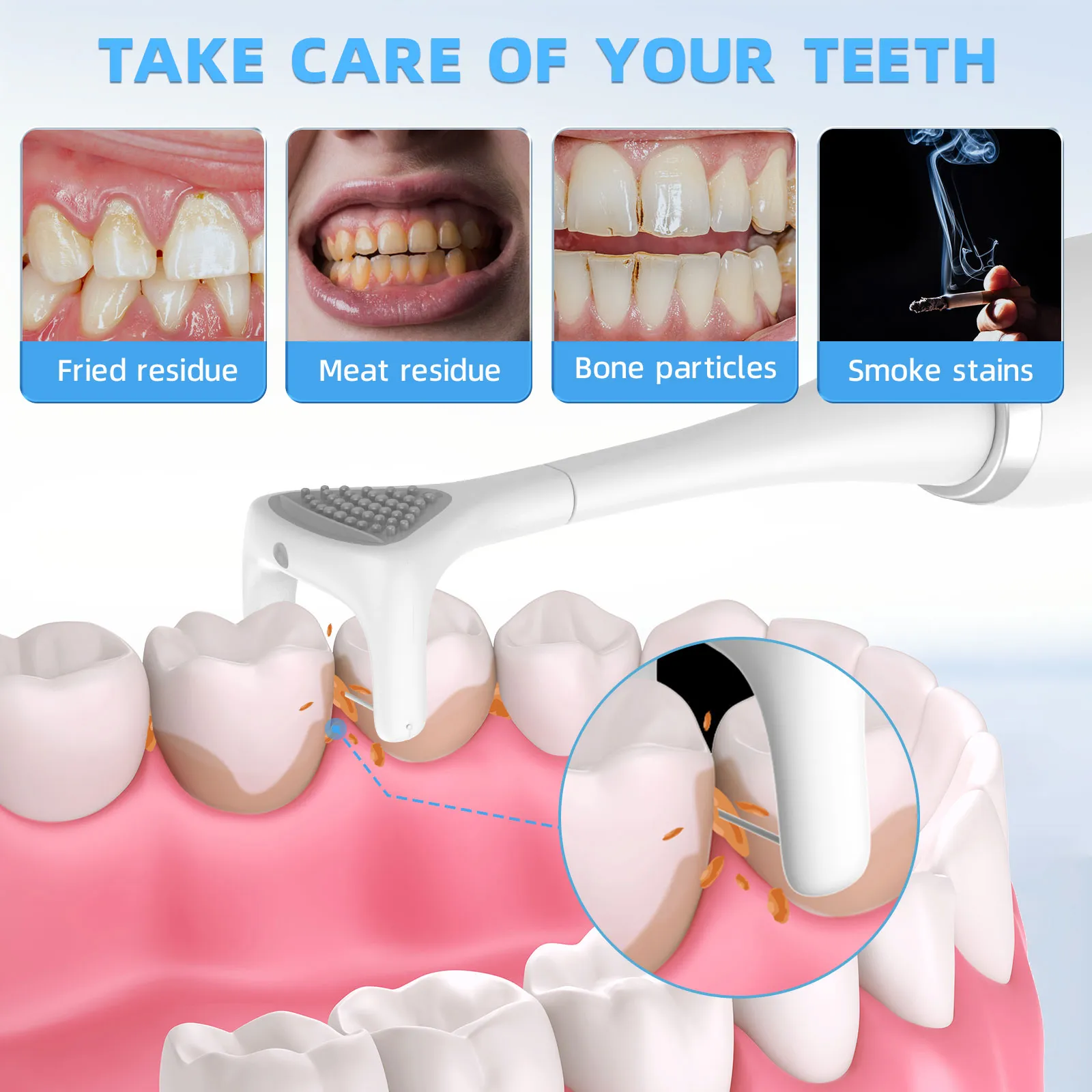
An electric tooth flosser, frequently referred to as an electric interdental cleaner or mechanical flosser, is a handheld electronic device that utilizes rapid physical movement to clean between teeth. Instead of relying on a stream of liquid, it uses a specialized, replaceable tip made of flexible nylon filaments, soft rubber, or dental-grade string. When powered on, the motor generates thousands of high-frequency micro-vibrations or sonic oscillations per minute. This swift mechanical contact allows the user to slide the tip into the interdental space effortlessly, scraping away plaque from the enamel through direct physical friction without causing the painful snapping sensation associated with manual string.
What is a Water Flosser?
A water flosser, technically called an oral irrigator, relies entirely on fluid dynamics rather than physical contact. The device houses an electric motorized pump that draws liquid from a built-in reservoir and shoots it through a narrow nozzle tip in targeted, high-pressure pulses. This pulsating water stream hits the tooth surface and gumline, creating kinetic energy that flushes out loose food particles, rinses out deep periodontal pockets, and washes away loosely bound dental plaque. It provides a refreshing, hands-free rinsing experience that cleans without solid material friction.

Head-to-Head Comparison: The Technical Differences
For wholesale buyers and product sourcing managers, comparing technical specifications and practical user experience (UX) profiles is essential for portfolio positioning. The following detailed matrix breaks down how an electric tooth flosser compares directly to a water flosser.
|
Feature / Metric |
Electric Tooth Flosser (Mechanical Sonic) |
Water Flosser (Oral Irrigator) |
|
Primary Mechanism |
Physical contact via high-frequency micro-vibrations and structural friction. |
Hydrodynamic kinetic energy via pressurized, pulsating water streams. |
|
Plaque Biofilm Removal |
Highly Effective: Scrapes off stubborn, sticky bacterial film through direct contact. |
Moderate to Effective: Flushes loose plaque, but requires higher pressure for sticky biofilm. |
|
Debris Flushing |
Moderate; dislodges particles which are later rinsed out during brushing. |
Excellent: Instantly washes away heavy food traps and loose material out of the mouth. |
|
Learning Curve & UX |
Simple and intuitive; mirrors traditional flossing movements but requires zero finger strain. |
Moderate; requires a specific angle over a bathroom sink to avoid water spraying or splashing. |
|
Portability & Size |
Excellent: Slim, lightweight toothbrush-like design. No water tank required. Perfect for travel. |
Fair to Good; cordless models have a bulky water reservoir. Countertop models require fixed plug power. |
|
Mess Factor |
Completely dry operation. Can be used anywhere (office, bedroom, transit) without a sink. |
Wet operation. Users must keep their mouth open over a sink to let water drain out continuously. |
|
Suitability for Orthodontics |
Good; requires careful navigation around brackets using specialized orthodontic tips. |
Outstanding: Easily weaves around braces, wires, implants, and deep bridges without tangling. |
Deep Dive into Plaque Removal: Mechanical Friction vs. Hydrodynamic Rinsing
From a clinical standpoint, dental plaque is not just loose dirt; it is a highly structured, sticky biological matrix known as a biofilm. To understand the true value of an electric tooth flosser vs water flosser, we must evaluate how each technology interacts with this biofilm.
An electric tooth flosser benefits from the basic law of friction. Just like washing a dirty dish, scrubbing with a physical tool is always more efficient at breaking down sticky surfaces than merely spraying water on them. The rapid sonic vibrations of a mechanical flosser tip shatter the physical bonds of the plaque matrix against the enamel, lifting it away quickly. This makes it an ideal option for individuals prone to heavy tartar accumulation or those who want that ultra-smooth, polished feeling after cleaning.
Conversely, a water dental cleaner is an indirect cleaning tool. It excels at clearing the "macro-environment"-meaning it flushes out large chunks of food debris trapped between tight teeth or under swollen gums where a physical tip might be too thick to enter. While top-tier high-pressure oral irrigators can disrupt some surface biofilm, clinical data indicates they are most effective when paired with physical brushing or mechanical flossing to completely eradicate hard-to-reach plaque.
Expert Dental Insight
Many patients struggle with the manual dexterity required for standard floss string. While water jet flossers are a fantastic way to rinse out deep periodontal pockets and soothe inflamed gums, they do not completely replace the mechanical scraping action required to remove mature dental plaque biofilm. A vibrating electric interdental tool provides that necessary friction in a format that is incredibly easy for the patient to hold and control.
Step-by-Step Guide: How to Optimize Both Devices for the Best User Experience
To help consumers get the most out of their chosen tool, your brand's instructional guides should emphasize proper technique, which ensures both oral safety and optimal cleanliness.
How to Use an Electric Tooth Flosser Safely
To operate an electric tooth flosser correctly, start by snapping a clean, flexible flossing tip or string cartridge onto the vibrating power head. Before powering on the device, gently guide the flexible tip into the space between two teeth while the motor is turned off, which prevents accidental slipping against sensitive gum tissues. Once positioned, press the power button to activate the sonic micro-vibrations, making sure to choose a lower speed setting if you are a beginner. Gently move the vibrating tip up and down against the side of each tooth surface, letting the mechanical vibrations do the work rather than forcing or jamming the tool deeply into the gums. Finally, turn off or pause the motor before sliding the tip out carefully, advance to the next interdental gap, and rinse the tip under warm water when finished.
How to Use a Water Flosser Without Making a Mess
Using a water flosser cleanly requires a specific sequence to avoid splashing the surrounding bathroom. First, open the tank lid and fill the reservoir with lukewarm water, optionally adding a splash of antimicrobial mouthwash for a fresher feel. After clicking the classic jet tip into the handle, always choose the absolute lowest pressure setting to prevent sudden gum irritation. Next, lean forward comfortably over your bathroom sink and place the nozzle tip into your mouth. Close your lips partially-just enough to prevent water from splashing onto your mirror, but keep them loose enough to let the fluid flow freely out of your mouth into the sink basin. Turn on the device and trace the water stream at a 90-degree angle to your gumline, starting from your back teeth and pausing briefly between each tooth gap before toggling the power off and removing the nozzle.
[VISUAL SUGGESTION - USER GUIDE INFOGRAPHIC]: A clear, 4-panel instructional diagram showing a user practicing the "Closed Lips, Lean Forward" technique with a water flosser to prevent messy water splashes across a bathroom mirror.
Industry Case Study: How Personal Care Brands Can Capture the Next Wave of Consumer Demand
In the global consumer electronics and wellness industries, product line diversification is a proven driver of sustainable revenue growth. This becomes evident when analyzing how integrating both mechanical and hydrodynamic flossing solutions can accelerate brand success in modern retail environments.
In 2024, a mid-sized European oral health brand noticed their sales of traditional cordless water irrigators had flattened. Consumer feedback surveys revealed that while users loved the clean feeling a water flosser provided, many complained that the devices were too bulky for business travel, leaked water inside gym bags, and required tedious weekly cleaning. Consumers desperately wanted a completely mess-free, travel-friendly, "dry" option for on-the-go maintenance during the workday.
To address this market challenge, the brand partnered with our manufacturing facility to co-develop a private label, slim-profile electric tooth flosser. This new product featured a rechargeable lithium battery, an ultra-quiet sonic motor, and a built-in storage compartment for replacement tips, all packaged within a body the size of a standard pen.
This strategic pivot led to highly successful business outcomes through clever market segmentation. The brand marketed the original water flosser as the "Ultimate Home Deep-Clean Station" and the new electric flosser as the "Daily Professional Travel Companion." As a result, over 35% of existing customers purchased the electric interdental cleaner as a secondary device to keep in their office desk drawer or travel kit. Furthermore, because the replacement tips for the electric flosser created a recurring subscription model, the brand's long-term customer lifetime value increased by 48% within twelve months of the product launch.

B2B Sourcing Guide: Key Manufacturing Standards for High-Quality Flossing Devices
When sourcing personal care appliances from an OEM partner, checking core engineering certifications guarantees that your products will pass strict international import regulations and satisfy your customers.
First and foremost, water dental cleaners require a certified rating of at least IPX7 Waterproofing, which ensures the unit can be safely submerged in water or used while taking a shower without causing battery shorts or motor rust. Alongside waterproofing, high-end electric sonic tools must utilize premium Lithium-ion cells managed by advanced Battery Management Systems with USB-C Smart Charging. Modern consumers expect a single 2-hour charge to power an electric interdental device for at least 30 to 60 days of regular use. Finally, material safety certifications must never be overlooked; you should ensure all plastic tips, nozzles, and internal water lines are made from certified BPA-Free, Food-Grade polymers by partnering with factories that possess verified ISO 9001, CE, RoHS, and FDA compliance documentation.
Conclusion: Choosing the Right Strategy for Your Brand Portfolio
When analyzing the debate of Electric Tooth Flosser vs Water Flosser: What's the Difference?, the answer is clear: they are complementary tools, not direct rivals. A water flosser offers unmatched hydrodynamic rinsing power for deep pockets, orthodontic hardware, and general mouth freshness. Meanwhile, an electric tooth flosser delivers unmatched mechanical precision, portability, and mess-free plaque removal that traditional flossers simply cannot match.
For brands and distributors looking to capture a larger share of the fast-growing oral care market, offering both types of devices allows you to meet different lifestyle needs. Partnering with an experienced, certified manufacturing facility ensures you can deliver high-quality, reliable personal care appliances that build long-term customer trust.
FAQs
Q1: Can an electric tooth flosser cause gum bleeding?
If your gums are unaccustomed to regular interdental cleaning, or if you suffer from early-stage gingivitis, you may experience mild bleeding during your first few days of use. However, because modern electric flossers rely on soft, flexible tips and calibrated sonic vibrations rather than the sharp cutting force of manual string, they are generally much gentler on delicate gum tissues when used correctly.
Q2: How often do I need to replace the tips on an electric interdental cleaner?
For optimal hygiene and cleaning performance, mechanical flossing tips should be replaced every 2 to 4 weeks, or immediately if the filaments become bent, worn, or frayed. For businesses, this consistent replacement cycle creates an excellent, highly profitable recurring revenue stream through consumable accessory packs that keep customers returning to your brand portfolio.
Q3: Is a water flosser safe to use with dental implants and porcelain veneers?
Yes, a water flosser is highly recommended by periodontists for individuals with complex dental work. Because it uses a non-abrasive liquid stream, it can flush away dangerous bacteria from beneath crown margins and around titanium implant posts without scratching ceramic work or breaking delicate bonding cements.
Q4: Can I use standard tap water in my oral irrigator reservoir?
Clean tap water is perfectly safe for daily operation under normal circumstances. However, if you reside in a geographic region with hard water, mineral deposits such as calcium scale can gradually clog the internal pump and nozzle valves over time. To extend the operational lifespan of the product, it is wise to rinse the reservoir weekly or switch to distilled water.
Q5: Why are electric tooth flossers considered better for travel than water flossers?
Electric tooth flossers do not require an integrated water reservoir, a heavy hydraulic pump, or a specific sink setup to operate cleanly. Their slim, lightweight, pen-like design allows them to be packed effortlessly into any standard toiletry bag, making them much more convenient for business trips, vacations, or mid-day freshening at the office compared to bulkier water irrigators.
Scientific & Industry References
American Dental Association (ADA): Guidelines on Interdental Cleaners and Oral Health Maintenance.
Journal of Clinical Dentistry: Comparative Evaluation of Hydrodynamic Pulsating Irrigation vs. Mechanical Plaque Interruption Methods, Vol. 34, pp. 112-118.
International Journal of Dental Hygiene: Meta-analysis on the Efficacy of Powered Interdental Cleaning Devices in Reducing Gingival Inflammation.
Statista Consumer Market Insights: Global Oral Care Appliances & OEM Sourcing Trends Forecast (2025-2030).