






Maintaining good oral hygiene is about more than brushing your teeth twice a day. Even the most thorough brushing routine can leave behind food particles and plaque between teeth and along the gumline. Over time, these hard-to-reach areas can become breeding grounds for bacteria, leading to plaque buildup, bad breath, gum irritation, and even periodontal disease.
This is where an electric flosser can make a difference.
As more people look for easier and more effective ways to clean between their teeth, electric flossers have become increasingly popular. But do they really help reduce plaque and improve gum health? And are they worth adding to your daily oral care routine?
In this guide, we'll explore how electric flossers work, their benefits for plaque control and gum health, and what to consider when choosing the right device.

What Is an Electric Flosser?
An electric flosser is a powered oral care device designed to clean between teeth and along the gumline more efficiently than traditional manual flossing.
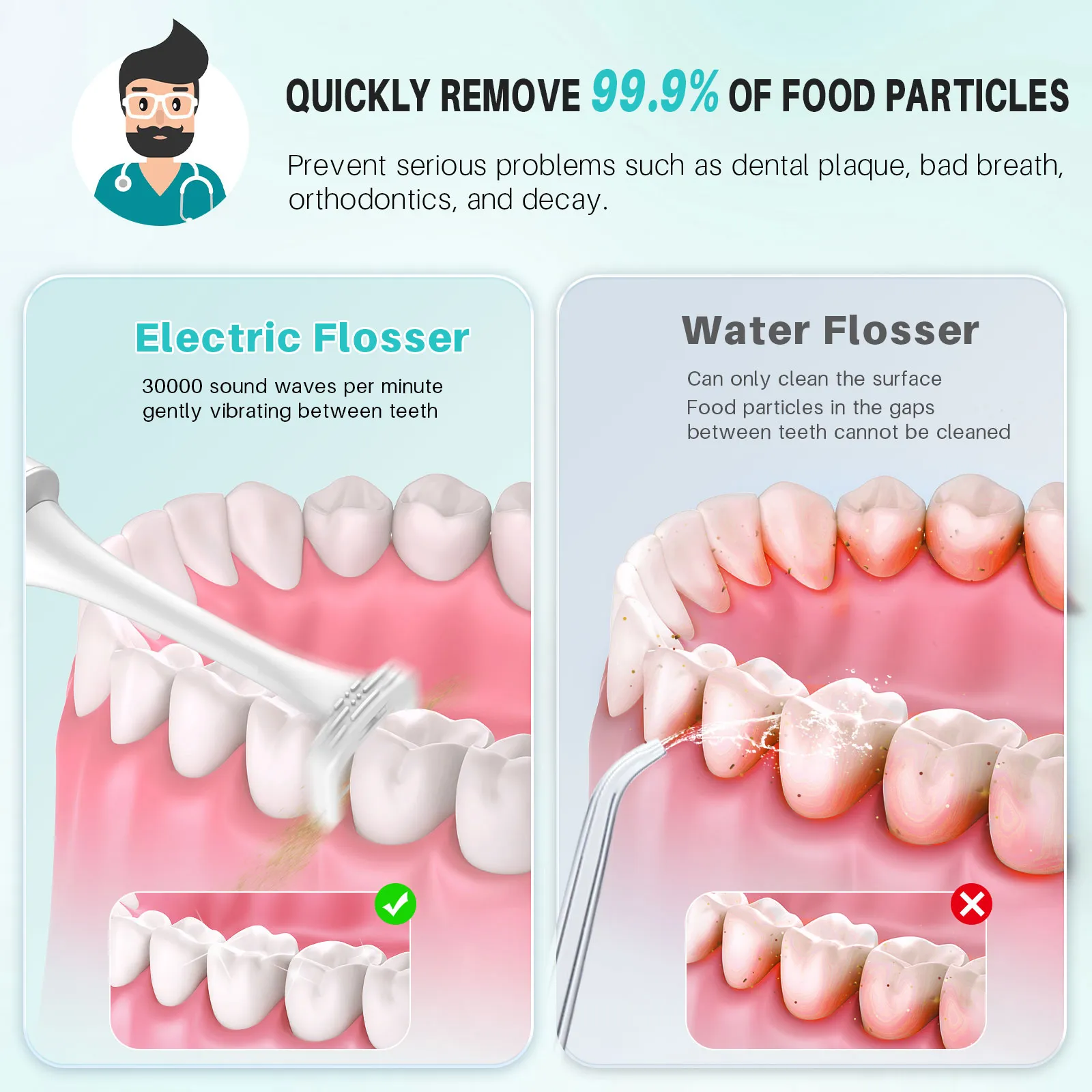
Unlike water flossers that use a stream of water, many modern electric flossers use high-frequency vibrations and specially designed floss heads to remove food debris and plaque from tight spaces. These devices help users achieve a deeper clean with less effort, making flossing easier and more comfortable.
Electric flossers are especially useful for people who:
- Find traditional floss difficult to use
- Have limited hand dexterity
- Want a faster flossing routine
- Struggle with consistent daily flossing
By simplifying the flossing process, these devices encourage better oral hygiene habits and more regular interdental cleaning.
Understanding Plaque and Gum Disease
Before discussing how an electric flosser helps, it's important to understand the problem it addresses.
Plaque is a sticky film of bacteria that continuously forms on teeth. When plaque is not removed regularly, it can harden into tartar and contribute to several oral health problems.
What Causes Plaque Buildup?
Plaque develops when bacteria in the mouth mix with:
- Food particles
- Sugars
- Saliva
These bacteria feed on sugars and produce acids that can damage tooth enamel and irritate gum tissue.
Common factors that contribute to plaque buildup include:
- Inadequate brushing
- Inconsistent flossing
- High-sugar diets
- Dry mouth
- Smoking
How Plaque Affects Gum Health
Plaque accumulation along the gumline can trigger inflammation known as gingivitis.
Signs of gingivitis include:
- Red gums
- Swollen gums
- Tenderness
- Bleeding during brushing or flossing
If left untreated, gingivitis can progress into periodontitis, a more serious form of gum disease that may lead to tooth loss.
Because much of plaque develops between teeth, flossing plays a critical role in preventing gum problems.
How an Electric Flosser Helps Reduce Plaque
The primary purpose of an electric flosser is to remove plaque and debris from areas that toothbrush bristles cannot easily reach.
High-Frequency Vibrations Improve Cleaning
Many electric flossers use sonic or vibrating technology that helps loosen plaque from tooth surfaces and interdental spaces.
The rapid movement allows the floss head to:
- Reach narrow gaps more effectively
- Disrupt bacterial biofilms
- Remove trapped food particles
- Improve overall plaque removal
This technology can provide a more thorough clean compared to manual flossing for some users.
Consistent Cleaning Performance
One challenge with traditional flossing is technique.
Many people:
- Floss too quickly
- Skip certain teeth
- Use improper flossing angles
- Apply inconsistent pressure
An electric flosser helps standardize the cleaning process. The powered movement performs much of the work, making it easier to achieve consistent results every day.
Better Access to Hard-to-Reach Areas
Molars and back teeth are often neglected during flossing.
Electric flossers can help users access:
- Back teeth
- Tight interdental spaces
- Areas around orthodontic appliances
- Regions near dental restorations
This improved access contributes to better plaque control throughout the mouth.
Can Electric Flossers Improve Gum Health?
The short answer is yes-when used regularly as part of a complete oral care routine.
Healthy gums depend on controlling bacterial growth around the gumline. Since plaque is one of the main causes of gum inflammation, reducing plaque directly supports gum health.
Reduces Gum Irritation
Removing plaque before it accumulates can help decrease irritation along the gums.
Many users report improvements such as:
- Less redness
- Reduced swelling
- Fresher breath
- Healthier-looking gum tissue
- Encourages Daily Flossing
One of the biggest advantages of an electric flosser is convenience.
Traditional flossing can feel time-consuming or uncomfortable, causing many people to skip it altogether. Electric flossers often make the process faster and easier, increasing the likelihood of daily use.
Consistency is one of the most important factors in maintaining healthy gums.
Supports Long-Term Oral Health
When combined with regular brushing and dental checkups, an electric flosser can help support:
- Healthy gums
- Cleaner interdental spaces
- Reduced plaque accumulation
- Improved overall oral hygiene
Over time, these benefits contribute to healthier teeth and gums.
Electric Flosser vs. Traditional Floss
Many consumers wonder whether an electric flosser is better than traditional floss.
The answer often depends on personal preference and usage habits.
Advantages of Traditional Floss
Traditional dental floss:
- Is inexpensive
- Requires no charging
- Can be carried anywhere
- Has a long history of effectiveness
However, it requires proper technique and can be challenging for some users.
Advantages of Electric Flossers
Electric flossers offer several benefits:
- Easier to use
- Faster cleaning process
- Consistent performance
- Comfortable for sensitive gums
- Helpful for beginners
For people who struggle with regular flossing, an electric flosser may significantly improve compliance and overall oral hygiene.
Which One Removes More Plaque?
Research consistently shows that any flossing method performed correctly and consistently is beneficial.
In real-world situations, however, many users find electric flossers easier to use regularly. This increased consistency may result in better plaque management over time.

Who Can Benefit Most from an Electric Flosser?
While nearly everyone can benefit from interdental cleaning, certain groups may find tooth electric flossers particularly helpful.
People with Braces
Braces create numerous areas where plaque and food particles can accumulate.
An electric flosser can help clean around:
- Brackets
- Wires
- Orthodontic attachments
This helps maintain better oral hygiene throughout orthodontic treatment.
Individuals with Sensitive Gums
Gentle vibration technology may provide a comfortable cleaning experience for users with mild gum sensitivity.
Regular plaque removal can also help reduce inflammation that contributes to gum discomfort.
Busy Professionals
For people with demanding schedules, an electric flosser offers a quick and convenient way to maintain daily oral care.
The easier the routine, the more likely users are to stick with it.
Older Adults
Manual flossing can become more difficult due to reduced dexterity or mobility.
Electric flossers help simplify the process and support independent oral care.
How to Use an Electric Flosser Effectively
To maximize plaque removal and gum health benefits, follow these simple steps.
Step 1: Choose the Appropriate Mode
Many electric flossers offer multiple cleaning modes.
Select a gentle mode if you are new to flossing or have sensitive gums.
Step 2: Position the Floss Head Correctly
Place the floss head between teeth and allow the device to guide the cleaning action.
Avoid forcing the floss into tight spaces.
Step 3: Move Along the Gumline
Spend a few seconds cleaning each interdental space and the area near the gumline.
Pay extra attention to back teeth.
Step 4: Clean Daily
Daily use is recommended for maintaining plaque control and healthy gums.
Step 5: Replace Floss Heads Regularly
Worn floss heads may become less effective.
Follow the manufacturer's replacement recommendations for optimal performance.
What to Look for When Buying an Electric Flosser
Not all electric flossers are the same. When shopping for a device, consider the following features.
Adjustable Cleaning Modes
Multiple intensity settings allow users to customize their experience based on comfort and oral health needs.
High-Frequency Vibration Technology
Look for models designed to provide effective plaque disruption while remaining gentle on gums.
Long Battery Life
A rechargeable battery with extended usage time improves convenience, especially for travel.
Waterproof Design
A waterproof electric flosser can be used safely in bathroom environments and is easier to clean.
Replaceable Floss Heads
Replaceable heads help maintain hygiene and long-term cleaning performance.
Final Thoughts
So, can an electric flosser help reduce plaque and improve gum health?
For many people, the answer is yes.
By making interdental cleaning easier, more comfortable, and more consistent, electric flossers can play an important role in reducing plaque buildup and supporting healthier gums. While they are not a replacement for brushing or professional dental care, they can be a valuable addition to a complete oral hygiene routine.
If you struggle with traditional flossing or simply want a more convenient way to clean between your teeth, investing in a quality electric flosser may be one of the simplest upgrades you can make for your oral health.

FAQs
1. Does an electric flosser remove plaque better than manual floss?
Both methods can effectively remove plaque when used correctly. However, many users find electric flossers easier and more convenient, which may encourage more consistent daily use.
2. Can an electric flosser replace brushing?
No. An electric flosser is designed to complement brushing, not replace it. For best results, use both as part of your daily oral care routine.
3. Is an electric flosser safe for sensitive gums?
Most electric flossers offer gentle cleaning modes that are suitable for people with sensitive gums. If discomfort occurs, consult a dental professional.
4. How often should I use an electric flosser?
Daily use is generally recommended to help remove plaque and maintain healthy gums.
5. Can I use an electric flosser if I wear braces?
Yes. Electric flossers can help clean around brackets, wires, and other orthodontic appliances, making them a useful option for orthodontic patients.
References
American Dental Association (ADA). Oral Health Topics: Flossing.
National Institute of Dental and Craniofacial Research (NIDCR). Gum Disease Information.
Centers for Disease Control and Prevention (CDC). Oral Health Basics.
Mayo Clinic. Dental Plaque and Gum Disease Overview.
Harvard School of Dental Medicine. Daily Oral Hygiene Best Practices.