


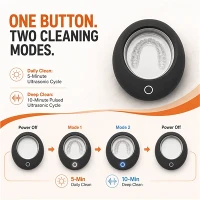
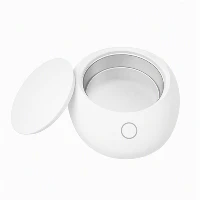
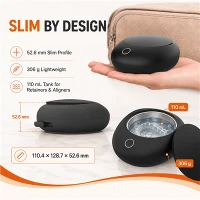

Wearing a retainer or aligner comes with many benefits for oral health and teeth alignment, but it also introduces a silent problem: bad breath. I noticed that even after brushing thoroughly, my retainers often carried an unpleasant odor. That's when I started exploring ultrasonic retainer cleaners and quickly realized they could change the game for anyone struggling with retainer-related bad breath. In this post, I'll share my personal experience, explain how ultrasonic cleaners work, and help you decide if one is worth adding to your oral care routine.

Why Retainers Can Cause Bad Breath
I always thought bad breath came from food stuck between teeth or sometimes from my stomach. However, I discovered that the main culprit is often my retainer itself. Retainers, including clear aligners, night guards, or fixed retainers, trap:
- Tiny food particles
- Saliva residue
- Biofilm (bacterial buildup)
- Oral secretions
These accumulations create the perfect environment for bacteria to thrive, especially anaerobic bacteria that produce sulfur compounds-the main cause of bad breath. Even with daily brushing, these areas can remain hard to clean, leaving me with persistent odor issues.
Traditional Cleaning Methods: Why They Fall Short
I tried hand-washing my retainer with a toothbrush and soap, but it didn't feel sufficient. Here's what I learned:
- Brushing: Hard to reach tiny grooves and edges. Brushing too hard can also scratch the plastic.
- Soaking tablets (effervescent cleaners): These can remove surface debris, but they often take 15–20 minutes and sometimes leave chemical residues. They cannot fully penetrate tight spaces where bacteria hide.
After experiencing these limitations, I decided to test ultrasonic cleaning.

How Ultrasonic Retainer Cleaners Work
Ultrasonic cleaners use high-frequency sound waves, typically around 40 kHz, to create microscopic bubbles in the cleaning solution. This process, called cavitation, produces tiny bursts that:
- Remove food particles and biofilm from every nook and cranny
- Penetrate hard-to-reach grooves without manual scrubbing
- Clean effectively without scratching or damaging the retainer material
I discovered that using an ultrasonic cleaner is both simple and powerful.
Ultrasonic Cleaners vs Traditional Methods
To make it easier to understand, I created a simple comparison table based on my experience and research:
| Feature | Manual Brushing | Soaking Tablets | Ultrasonic Cleaner |
|---|---|---|---|
| Cleaning Depth | Surface only, difficult in grooves | Medium, surface + minor grooves | Deep, reaches hidden crevices |
| Odor Reduction | Limited | Moderate | High |
| Retainer Safety | Can scratch plastic | Safe | Safe, non-abrasive |
| Cleaning Time | 2–5 minutes | 15–20 minutes | 5–10 minutes |
| Convenience | Daily effort required | Medium, need fresh solution | Very easy, just press a button |
| Chemical Use | None | Yes | Optional (water or mild solution) |

Recommended Ultrasonic Retainer Cleaners
In my experience, some ultrasonic cleaners stand out based on convenience, cleaning depth, and additional features:
- Invisalign Ultrasonic Cleaner powered by Zima Dental – Official Invisalign device, designed for clear aligners and retainers. Quick 5-minute cleaning for daily use.
- iSonic F3900 Ultrasonic Denture / Retainer Cleaner – Affordable and practical, perfect for first-time ultrasonic cleaner users.
- Sonic Spa Pro Ultrasonic Cleaner – Deep-cleaning and multipurpose, suitable for retainers, night guards, and dentures.
- SmileSet Premium Ultrasonic Cleaner + UV Sanitizer – Combines ultrasonic cleaning with UV sterilization, ideal for users seeking extra hygiene and odor control.
- MySmile Ultrasonic Retainer Cleaner – Portable and compact, perfect for travel or commuting.
- Hello Bright Ultrasonic Retainer Cleaner with UV Lights – Provides both ultrasonic cleaning and UV sterilization for thorough hygiene.
- iSonic DS180 Portable Retainer Cleaner – Lightweight and convenient for frequent travelers.
- Sejoy 45 kHz Ultrasonic Retainer Cleaner – Budget-friendly, entry-level option suitable for beginners.
Who Should Consider an Ultrasonic Retainer Cleaner
I recommend an ultrasonic cleaner if you:
- Wear invisible aligners or retainers daily
- Use a night guard or mouthguard regularly
- Struggle with bad breath despite regular brushing
- Want a quick and convenient cleaning solution
- Prefer to avoid harsh chemicals or scrubbing
I personally fall into all these categories, and adding an ultrasonic cleaner has simplified my oral care routine.

Choosing the Right Ultrasonic Cleaner
When selecting a cleaner, I focus on:
- Frequency: Around 40 kHz is optimal for cleaning retainers safely.
- Capacity: Ensure it fits your retainer or aligner comfortably.
- Cleaning Mode: Adjustable timer settings and optional cleaning solution compatibility.
- Noise Level: Some models are quieter and more suitable for home use.
- Material & Certification: FDA, CE, or SGS certified devices give peace of mind.
My Personal Experience
The first time I used an ultrasonic cleaner, I placed my retainer in water with a few drops of mild cleaning solution, pressed the button, and waited about 6 minutes. When I removed it, I noticed:
- The retainer felt completely clean, smooth to touch
- The bad odor was gone instantly
- No scratches or damage, unlike previous attempts with brushing
After a few weeks of consistent use, I could wear my retainer all day without worrying about bad breath. I also noticed that I spent less than 10 minutes daily on cleaning, compared to longer efforts with tablets or hand-washing.

Common Questions
1. Will an ultrasonic cleaner damage my retainer?
No. Using the recommended frequency and mild cleaning solution keeps the material safe.
2. How often should I clean my retainer?
Daily cleaning is ideal for maintaining freshness and hygiene.
3. Do I need to use cleaning tablets with an ultrasonic cleaner?
Not necessarily. Plain water works for most cases, but a mild cleaning solution can enhance results.
4. Can I clean other items with it?
Yes. Many people use it for toothbrush heads, mouthguards, or small jewelry.
5. Do I need to rinse the retainer afterward?
Yes, always rinse with clean water to remove residue from the solution.
Conclusion
So, can ultrasonic retainer cleaners prevent bad breath? Yes-effectively. They remove bacterial buildup, clean deep into crevices, and drastically reduce odor. I still brush my teeth regularly, but adding this simple device to my routine has transformed my experience with retainers.
If you struggle with retainer odor or just want a hassle-free, deep cleaning solution, an ultrasonic cleaner is worth considering. From my experience, it's not only effective but also a time-saving, stress-reducing addition to daily oral care.