



Choosing between an electric flosser and a water flosser is not simply a question of which device feels more powerful. Both are designed to support interdental cleaning, yet they approach the task in very different ways. A water flosser uses pulsed irrigation to rinse around teeth and the gumline. An electric flosser uses a compact head, direct placement, and sonic vibration to support a guided cleaning motion at the contact area.
For buyers sourcing an oral-care line, the practical question is more specific: which experience will fit the end user's mouth, routine, and maintenance habits? For tight contacts, travel-oriented routines, and shoppers who prefer a dry device with direct placement, an electric dental flossers can be a compelling format. Water flossers remain a valid option for users who prefer irrigation or have been advised to use it by a dental professional.
This guide explains where each format fits, what to assess before buying, and how to evaluate an electric flosser program without making claims that go beyond the evidence.
How Electric Flossers and Water Flossers Work
Electric flossers use guided contact and sonic vibration
An electric flosser is designed to place a compact flossing head at or near the interdental contact, then use vibration to support a controlled cleaning action. Some designs also add an oscillating motion. The value is not merely vibration speed. It is the combination of tip geometry, access angle, handle control, and the user's ability to repeat the motion consistently from one contact to the next.
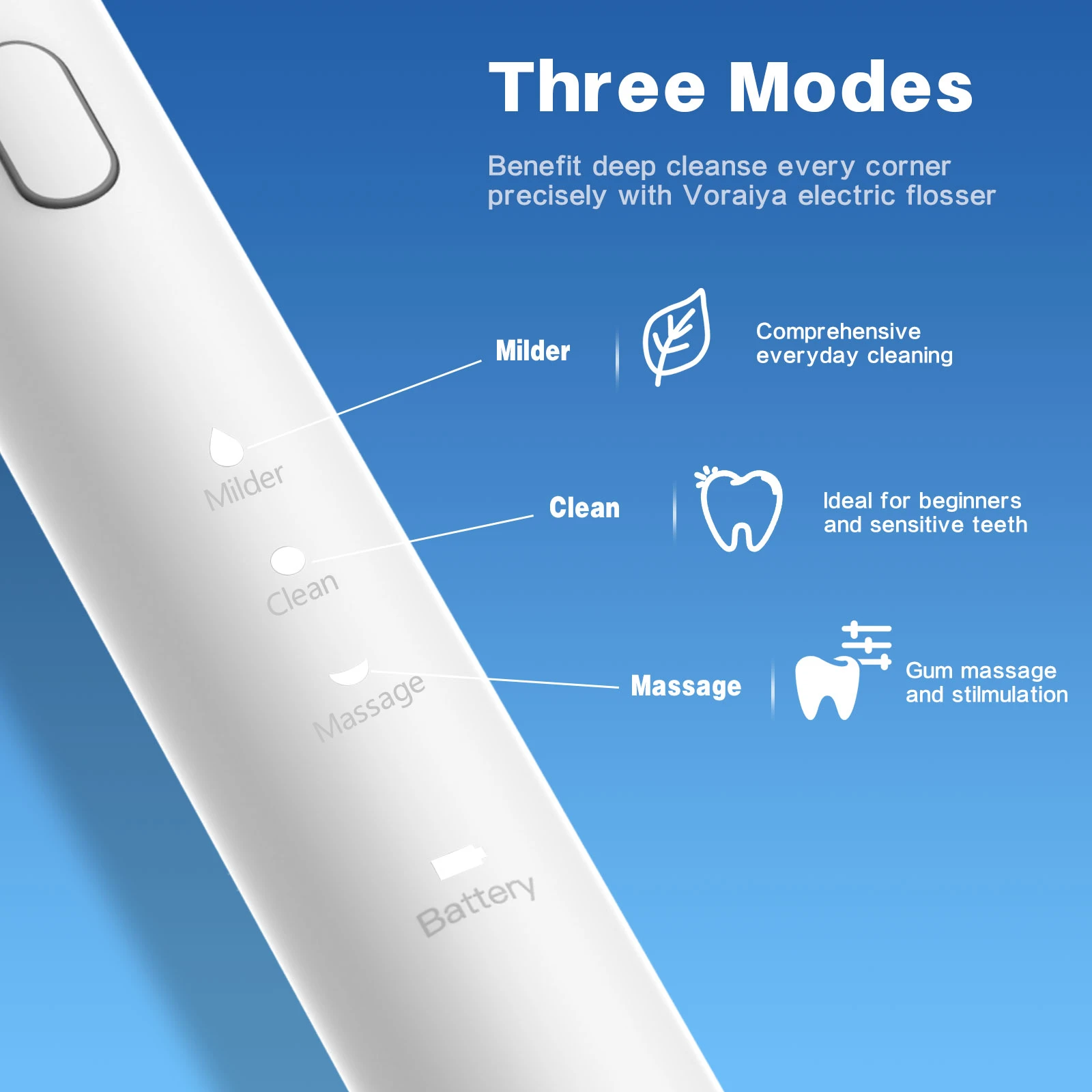
This makes the format relevant for consumers who dislike handling string floss or want a more guided daily routine. It also gives product developers clear features to evaluate: head profile, grip, cleaning modes, waterproof construction, charging format, and the availability of hygienic replacement heads.
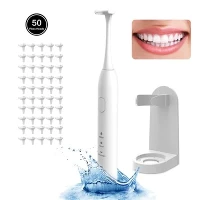
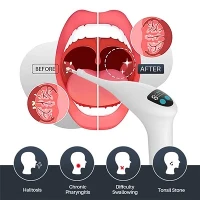
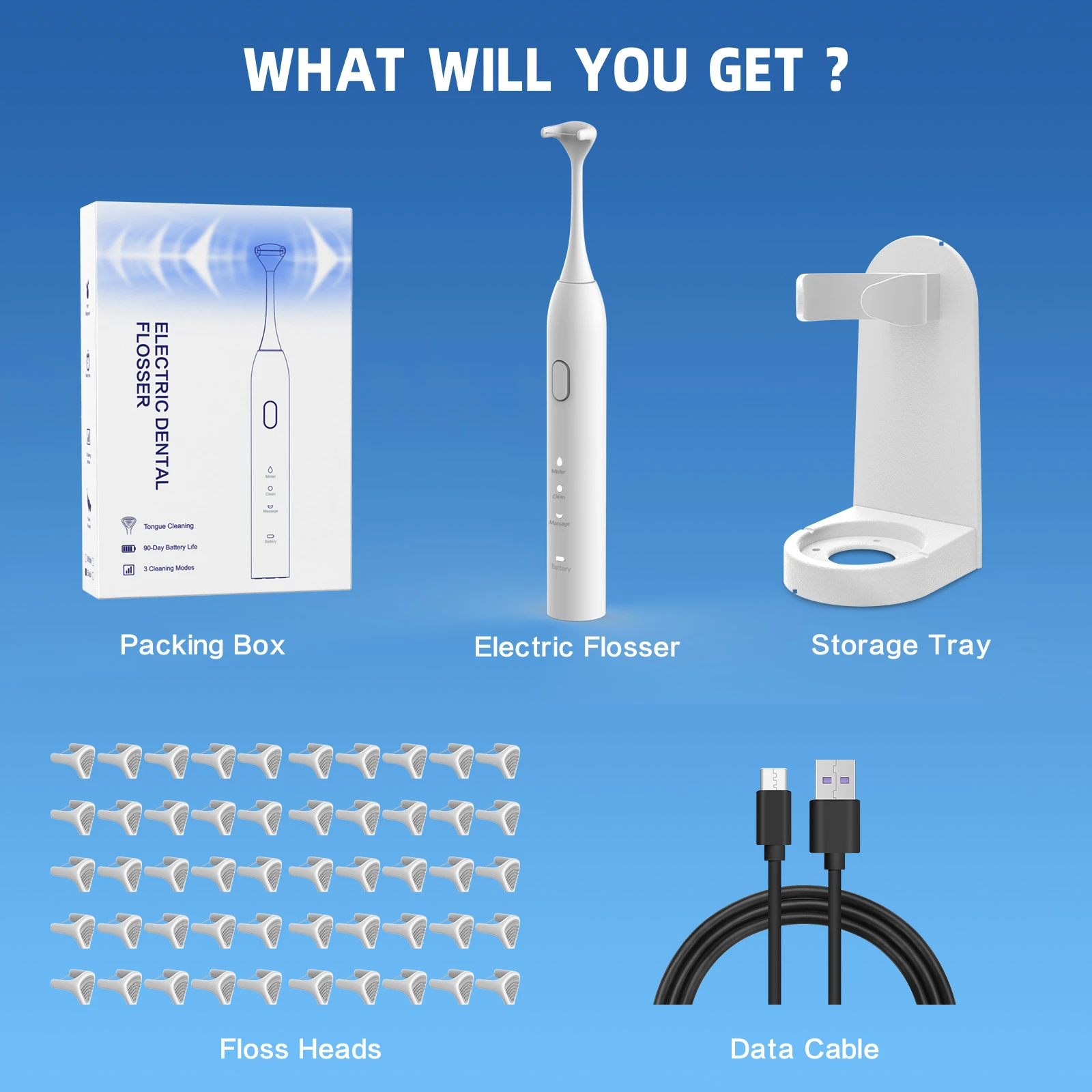
Gold Rose's Z3-PRO-L Electric Dental Flosser (https://www.goldrosa.com/electric-tooth-flosser/dental-flossers.html) illustrates this format. Its product page lists three vibration modes ranging from 6,000 to 12,000 vibrations per minute, a 3-in-1 concept that includes flossing, tongue cleaning, and gum stimulation, Type-C charging, and 50 replaceable tips. The page states a three-hour charge can provide a claimed 60-80 days of use, subject to usage conditions.
Water flossers rinse with a pressurized water stream
A water flosser sends a pulsed stream of water around teeth and along the gumline. It can be attractive to people who like a rinsing sensation or find conventional hand flossing difficult. The American Dental Association notes that ADA-accepted water flossers have been evaluated for safety and efficacy in plaque removal and in helping prevent or reduce gingivitis when used as directed.
The trade-off is that water irrigation is a reservoir-based routine. Users must fill the tank, use the device near a sink, empty remaining water, and keep the reservoir and tip clean. Cordless models improve portability, but still require water before each use. For many users that is a small trade-off; for others, it is a barrier to consistent use.
Tight Contacts: Why Direct Placement Changes the Buying Decision
Tight contacts need access control, not only water pressure
A tight contact is the narrow point where two adjacent teeth meet. In this area, purchase decisions should focus on access control. A slim head, a comfortable handle angle, and a movement the user can repeat are often more important than a headline about pressure or power.
An electric flosser is built around direct head placement. That makes it a useful product category to consider when a customer wants a compact tool for precise positioning at tight teeth. It should not be marketed as universally superior for plaque removal in every mouth, because effectiveness still depends on the user's anatomy, technique, and oral-health needs. However, the direct-contact format gives a clear functional distinction from irrigation.
The ADA's guidance on interdental cleaning supports this individualized approach. It notes that the choice of technique should match patient characteristics and specifically identifies dental floss as an option for people with tight interdental spaces. For B2B buyers, this is an important message: an electric flosser should be positioned as a controlled, user-friendly way to support a flossing-style routine, not as a one-device replacement for every clinical situation.
Orthodontic hardware and back molars add handling demands
Brackets, wires, fixed bridges, and posterior teeth can make everyday interdental cleaning harder to manage. In these cases, the product experience matters as much as the cleaning mechanism. A well-designed handle, a reach-friendly head, clear mode control, and an accessible replacement-head supply can determine whether a consumer keeps using the device after the first week.
Water flossers may appeal to people who want to rinse around orthodontic hardware or other hard-to-reach areas. Electric flossers can appeal to people who prefer direct, dry placement at individual contacts. Neither format removes the need for professional advice in cases of persistent bleeding, pain, periodontal treatment, implants, or complex restorative work. A responsible product page should encourage users with these concerns to consult a dental professional.
Sonic Vibration vs. Water Jets for Plaque Removal: What Buyers Should Expect
Consistent daily technique drives plaque removal
Plaque removal is not determined by a product category alone. The device must be positioned correctly and used regularly. Toothbrushing remains fundamental, and the ADA states that interproximal cleaning techniques, including manual or powered interdental cleaners and water flossers, can add plaque-reduction benefits when used with conventional brushing.
Sonic vibration is best communicated as a mechanism that supports controlled, repeatable interdental cleaning. A contact-guided head may help a user build a routine around one tooth space at a time. Water jets provide a different experience: irrigation around the gumline and accessible spaces. The stronger commercial promise is not that one method always wins, but that the right format can make daily interdental cleaning easier to maintain.
Avoid turning a product comparison into a universal clinical claim
Water flossers have meaningful evidence and should not be dismissed. The ADA explains that accepted water flossers can help remove plaque and reduce gingivitis when used as directed. Published research also continues to evaluate water flossing as an adjunct to brushing. This means a balanced buying guide should describe water irrigation as a legitimate option rather than an outdated technology.
At the same time, marketing claims need careful boundaries. A manufacturer should not imply that any home device eliminates all plaque, replaces professional care, or delivers identical results for every user. Claims such as a specific percentage of debris removal should be tied to the exact product test, conditions, and substantiation. For private-label brands, evidence-aware language is not a limitation; it is a way to build trust and reduce compliance risk.
Buying Checklist: Which Interdental Cleaner Fits Your Customer?
Choose an electric flosser when portability and targeted contact control lead
An electric flosser is especially relevant for customers who travel often, prefer a dry routine, want a compact rechargeable device, or struggle with the finger placement required by string floss. It can also suit brands looking for a small-format oral-care product with replacement-head continuity and room for differentiated industrial design or packaging.
For a versatile private-label proposition, the Gold Rose Z3-PRO-L combines three modes, Type-C charging, 50 replaceable tips, and a claimed 60-80 day battery range after a three-hour charge. Its 3-in-1 format also gives brands a broader daily-care story: interdental cleaning, tongue cleaning, and gum stimulation in one device. Buyers should request samples and verify the final product specification, packaging, instructions, and target-market requirements before launch.
Choose a water flosser when irrigation is the preferred routine
A water flosser may be the better fit for customers who want a familiar rinsing experience, have bathroom storage space, and are comfortable with reservoir maintenance. It can also be an appropriate option when a dental professional has recommended an irrigating routine.
When evaluating a water flosser, assess reservoir capacity, pressure settings, tip design, leak resistance, charging system, and how easily users can clean water-contact components. These practical issues affect satisfaction as much as the cleaning claim. A product that sits unused because it is inconvenient to refill or clean will not produce a strong repeat-purchase or review profile.
Evaluate comfort, hygiene, charging, and replacement economics
Procurement teams should evaluate more than the headline mechanism. Compare grip texture, noise, mode range, waterproof rating, tip replacement process, charging interface, battery capacity, included accessories, labeling, and after-sales support. Replacement heads are especially important because they shape hygiene expectations and can create recurring accessory demand.
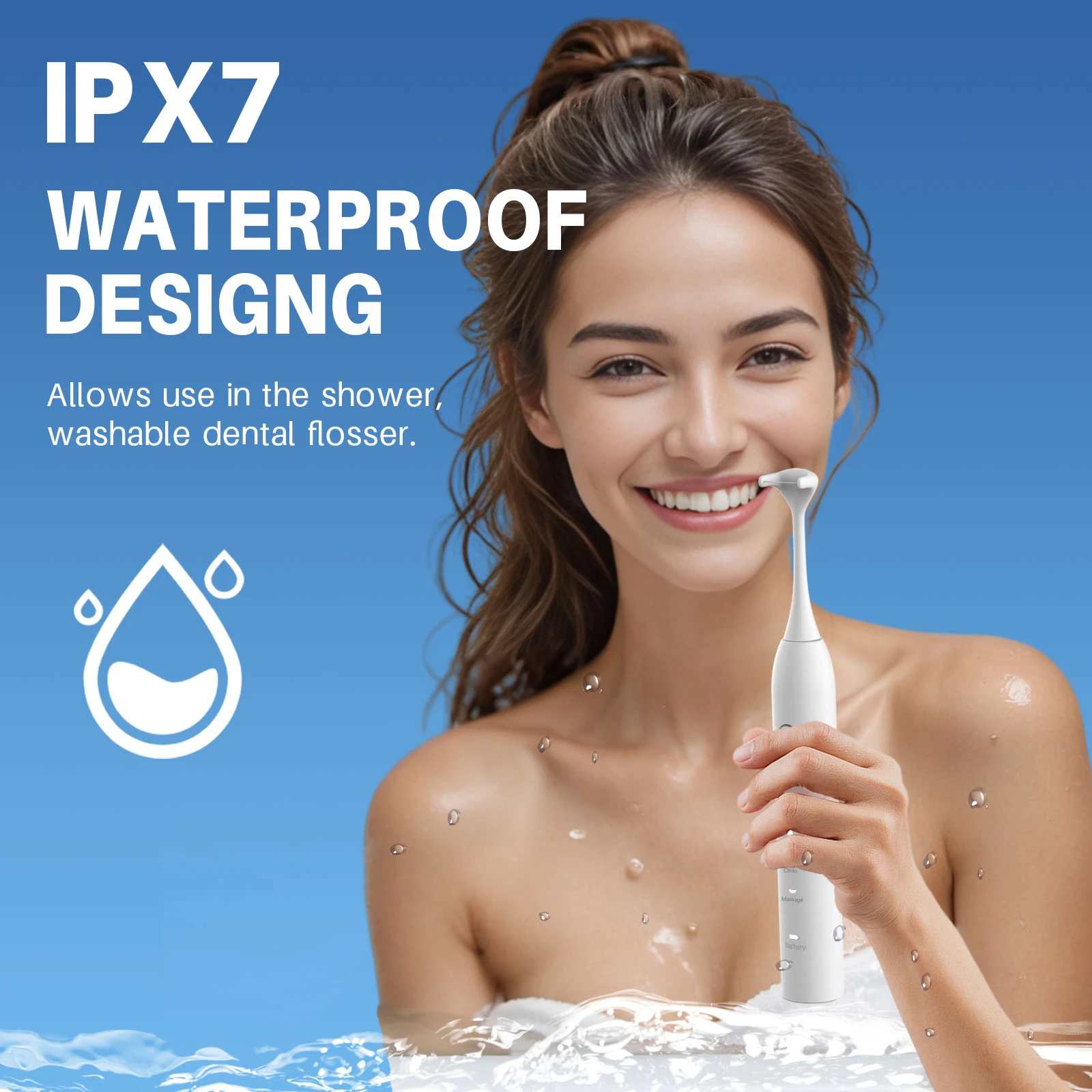
The Gold Rose Professional Electric Flosser (https://www.goldrosa.com/electric-tooth-flosser/professional-electric-flosser.html) is positioned as a feature-led option. Its product page lists four modes, IPX7 waterproofing, an 800mAh battery, a 30-degree oscillating motion, wireless charging, and 50 replacement heads. This combination can fit a higher-spec oral-care range where a buyer wants clear feature differentiation without relying on exaggerated clinical claims.
Gold Rose Options for Private-Label Electric Flosser Programs
Gold Rose Z3-PRO-L: Best overall for versatile, travel-friendly oral care
For brands that want a compact electric flosser as the core of a private-label program, the Z3-PRO-L is the strongest all-around starting point. The model combines selectable vibration modes, Type-C charging, replaceable tips, and multiple oral-care functions in one format. Its claimed 60-80 day battery range can support a travel-friendly positioning, while the 50-tip configuration gives distributors a clear accessory and hygiene narrative.
The key sales message should be practical: a guided, rechargeable option for people who want easier access to interdental contacts without using a water reservoir. The product should be presented as part of a complete routine that includes brushing and appropriate professional care, rather than as a cure-all.
Gold Rose Professional Electric Flosser: Best for feature-led oral-care ranges
The Professional Electric Flosser is suited to a feature-forward assortment. Its published specifications include four modes, a non-slip grip, IPX7 waterproofing, wireless charging, an 800mAh battery, and a 30-degree oscillating design. These features give a retailer or distributor several concrete points for packaging, product comparison pages, and sales training.
For brands targeting sensitive-use messaging, Gold Rose also offers an Electric Flosser for Sensitive Gum (https://www.goldrosa.com/electric-tooth-flosser/electric-flosser-for-sensitive-gum.html). Its product page describes three modes, a 360-degree rotating head, Type-C charging, and a design intended for portable use. Any sensitive-gum claim should be reviewed against the final target-market labeling rules and the exact evidence available for the finished product.
Electric Flosser vs. Water Flosser Comparison Table
|
Buying factor |
Gold Rose electric flosser approach |
Water flosser approach |
|
Cleaning mechanism |
Guided head plus sonic vibration; selected models add oscillation |
Pulsed water irrigation |
|
Tight-contact handling |
Direct head placement supports controlled access |
Access depends on tip position and mouth geometry |
|
Daily setup |
Dry operation; charge and replace heads as needed |
Fill, use, empty, and clean reservoir system |
|
Portability |
Compact rechargeable format |
Varies by cordless or countertop design |
|
Maintenance priority |
Clean device body and replace heads as instructed |
Clean reservoir, tip, and water-contact components |
|
Best fit |
Targeted, compact, travel-oriented interdental routines |
Users who prefer water irrigation and can maintain a reservoir |
How to Use an Electric Flosser More Effectively
Start gently and position the head carefully
Begin on the gentlest suitable setting and place the head at one contact at a time. Avoid forcing the head into a space. Move through the mouth in a consistent order so that difficult back contacts are not skipped. A user who feels pain, has persistent bleeding, or has concerns about a dental condition should stop and seek professional guidance.
Keep replacement heads and the device body clean
Follow the manufacturer's cleaning and replacement instructions. Do not share heads between users, and allow the device to dry after cleaning. Waterproof construction can make maintenance easier, but it does not remove the need for proper cleaning. From a sourcing standpoint, a dependable replacement-head program supports hygiene, customer satisfaction, and a longer product lifecycle.
Final Verdict: Match the Tool to Access, Habit, and Maintenance Capacity
Electric flossers and water flossers solve the same daily problem from different directions. An electric flosser is a strong choice when tight contacts, direct placement, dry operation, portability, and a rechargeable format are the main priorities. A water flosser remains a valuable choice for consumers who prefer irrigation and will maintain a reservoir-based routine.
For private-label buyers, the most credible position is not "sonic vibration beats water jets for everyone." It is a more useful promise: choose the device that people can place correctly, maintain easily, and use every day. Gold Rose's Z3-PRO-L and Professional Electric Flosser provide two differentiated starting points for brands and distributors developing an electric flosser range. Contact Gold Rose to discuss samples, specifications, packaging, replacement heads, and OEM/ODM options.
Frequently Asked Questions
Is an electric flosser better than a water flosser for tight teeth?
An electric flosser can be a strong fit for tight teeth because its head is designed for direct, guided placement at the contact area. It is not automatically better for every user. Mouth shape, technique, comfort, and dental guidance still matter. The ADA advises matching interdental cleaning methods to individual characteristics and identifies floss as an option for tight interdental spaces.
Can sonic vibration help with interdental plaque removal?
Sonic vibration can support a controlled cleaning motion when the head is correctly positioned between teeth. Plaque removal still depends on daily technique and consistent use. It should be described as part of an interdental-cleaning routine rather than as a replacement for brushing or professional dental care.
Who should consider the Gold Rose Z3-PRO-L electric flosser?
The Gold Rose Z3-PRO-L can suit brands and distributors seeking a compact, rechargeable 3-in-1 electric flosser with three vibration modes, Type-C charging, 50 replacement tips, and a claimed 60-80 day battery range. It is particularly relevant for a travel-friendly or accessory-led oral-care range.
Are water flossers still useful for daily interdental cleaning?
Yes. Water flossers remain a valid option, especially for people who prefer irrigation or have difficulty using hand floss. The ADA notes that accepted water flossers have been shown to help remove plaque and reduce gingivitis when used as directed. Users should maintain the reservoir and tips properly.
What should a distributor check before sourcing an electric flosser?
Check head geometry, vibration modes, waterproofing, charging format, battery specifications, replacement-head supply, MOQ, packaging, labeling, quality-control documentation, and after-sales terms. For a feature-led option, Gold Rose's Professional Electric Flosser lists four modes, IPX7 waterproofing, wireless charging, and 50 replacement heads on its product page.
References
American Dental Association: Dental Floss and Interdental Cleaners (https://www.ada.org/resources/ada-library/oral-health-topics/floss)
American Dental Association: Water Flossers and Water Flossing (https://www.mouthhealthy.org/all-topics-a-z/water-flossers/)
Gold Rose: Z3-PRO-L Electric Dental Flossers (https://www.goldrosa.com/electric-tooth-flosser/dental-flossers.html)
Gold Rose: Professional Electric Flosser (https://www.goldrosa.com/electric-tooth-flosser/professional-electric-flosser.html)
Gold Rose: Electric Flosser for Sensitive Gum (https://www.goldrosa.com/electric-tooth-flosser/electric-flosser-for-sensitive-gum.html)
Effects of water flossing on gingival inflammation and supragingival plaque: systematic review and meta-analysis (https://pmc.ncbi.nlm.nih.gov/articles/PMC10212231/)