


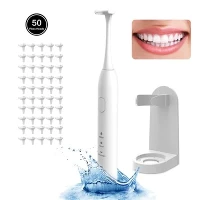
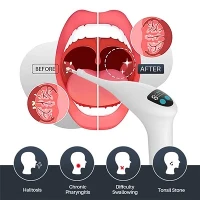

Tonsil stones, clinically known as tonsilloliths, are calcified formations that develop within the deep, uneven crevices of the palatine tonsils. Composed of trapped food debris, dead epithelial cells, and dense colonies of anaerobic bacteria, these clusters are a leading cause of chronic halitosis, persistent throat tickling, foreign-body sensation, and painful swallowing. Faced with these frustrating symptoms, millions of sufferers turn to do-it-yourself extraction methods. Among the most popular DIY tools is the curved plastic water syringe or modified water flosser, used to blast water directly into the back of the throat.
However, ear, nose, and throat (ENT) specialists increasingly warn against high-pressure manual flushing. Instead of providing safe relief, water syringes frequently cause mucosal trauma, push bacterial debris deeper into tissue crypts, and trigger violent gag reflexes. The emergence of visualized, controlled vacuum suction technology-exemplified by the Gold Rose TC300 Smart Tonsil Stone Removal Device-modern suction devices provide rapid, trauma-free relief while preserving oral mucosa integrity.
The Hidden Hazards of Manual Water Syringes and High-Pressure Flushing
The risk of mucosal laceration and vascular bleeding
The palatine tonsils are not resilient muscular walls; they are delicate, highly vascularized lymphoid tissues enveloped in thin, sensitive mucous membranes. When a user manually compresses a water syringe or aims a pulsating flosser at a tonsil pocket, the localized water pressure cannot be accurately regulated. A sudden jet of pressurized water can easily shear fragile tissue folds, causing painful mucosal tears and immediate capillary bleeding. In the non-sterile environment of the oral cavity, these open micro-wounds create a direct pathway for secondary bacterial infections and chronic tonsillar inflammation.
Debris impaction instead of extraction
The physical mechanics of fluid propulsion work against safe extraction. When high-velocity water hits a partially lodged tonsillolith inside a tortuous crypt, the force rarely bounces the stone forward into the mouth. Instead, the hydraulic pressure pushes the calcified mass, surrounding biofilm, and food residues deeper into the crypt base. Once compressed into deeper pockets, tonsil stones become even harder to dislodge, leading to recurrent anaerobic decomposition, worsened foul odor, and persistent crypt enlargement.
Liquid aspiration and severe gag reflex triggers
Flushing the posterior oropharynx with free-flowing liquid inevitably floods the throat. This sudden accumulation of fluid directly stimulates the sensitive sensory nerve endings of the glossopharyngeal and vagus nerves located around the posterior tongue base, palatoglossal arches, and uvula. The immediate physiological reaction is a severe, involuntary gag reflex accompanied by choking, coughing, and vocal cord spasms. For many individuals, this intense discomfort makes routine tonsil hygiene traumatic and impossible to sustain.
Why Controlled Negative-Pressure Suction Is the Superior Solution
Directional outward extraction without fluid pooling
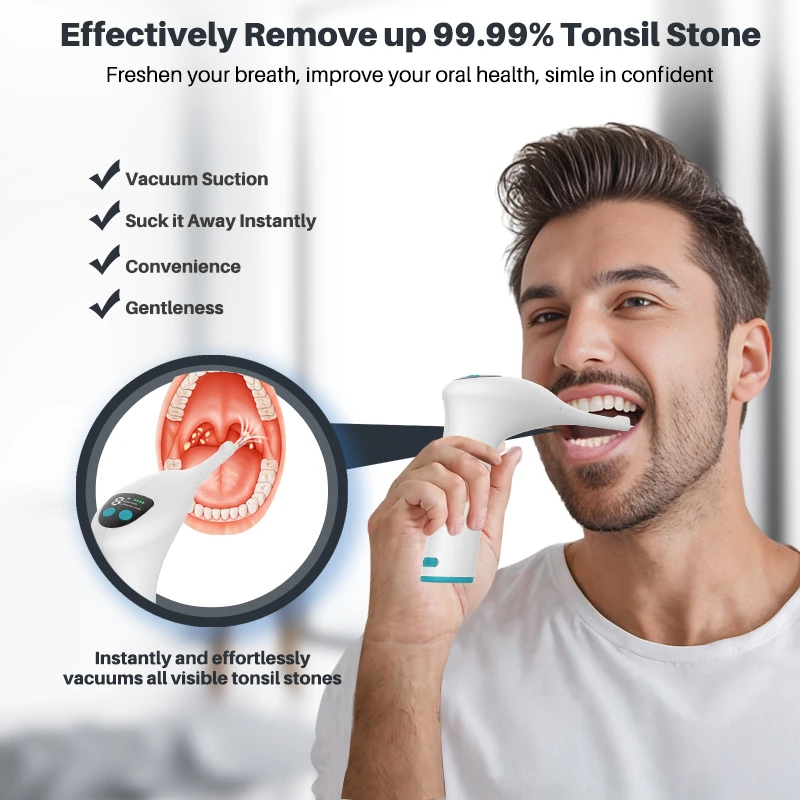
Vacuum suction fundamentally reverses the physics of tonsil stone removal. Rather than forcing fluid inward, an electronic suction device applies a gentle, continuous negative pressure gradient that draws the calcified stone outward from the crypt into a sealed nozzle. Because the process is entirely dry and requires no water injection, there is zero fluid pooling in the pharynx, eliminating the risk of choking, fluid aspiration, and messy bathroom spills.
Ergonomic pressure distribution eliminates gag reflex
Modern tonsil vacuum devices utilize smooth, horn-shaped silicone probes that create an airtight seal around the crypt opening. By distributing suction evenly across the targeted perimeter, the tip lifts the stone without requiring mechanical prodding against sensitive tissue. Because the suction is strictly localized to the tonsil crypt and avoids touching the hyper-sensitive uvula or base of the tongue, patients experience virtually zero gag reflex throughout the extraction process.
Visual guidance transforms blind poking into precision care
One of the greatest dangers of manual removal-whether using syringes, cotton swabs, or metal curettes-is operating blindly in poor lighting. Combining micro-camera optics with targeted illumination replaces guesswork with millimeter-level precision. When users can see the exact contours of their tonsils on an illuminated screen, they can navigate directly to visible stones and dislodge them in seconds, completely avoiding accidental contact with surrounding mucosal tissue.
Gold Rose TC300: Engineering Next-Generation Visualized Suction
Gold Rose TC300: Best Overall for Visualized Tonsil Stone Relief
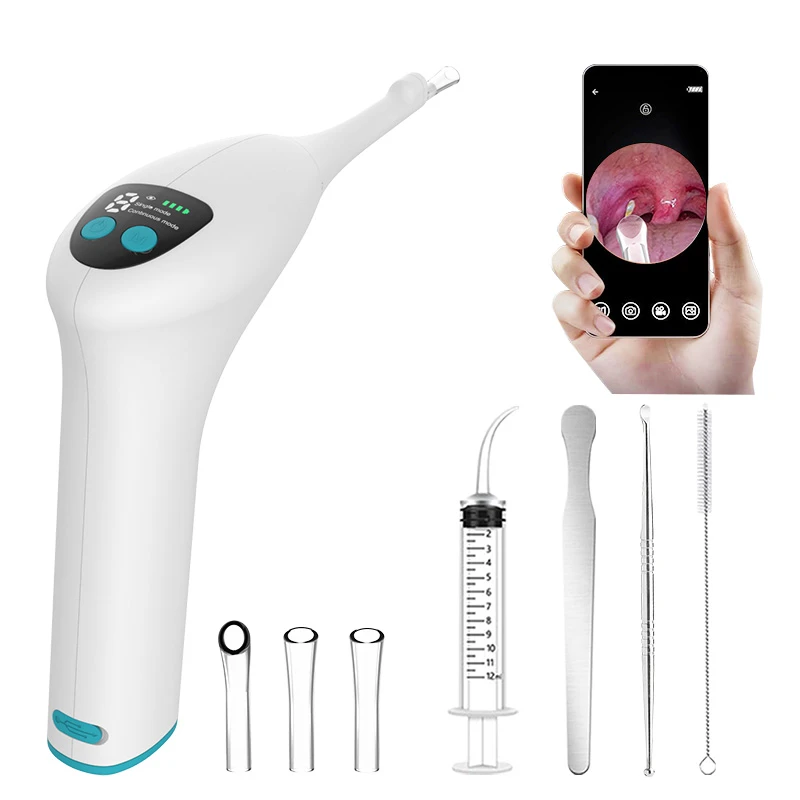
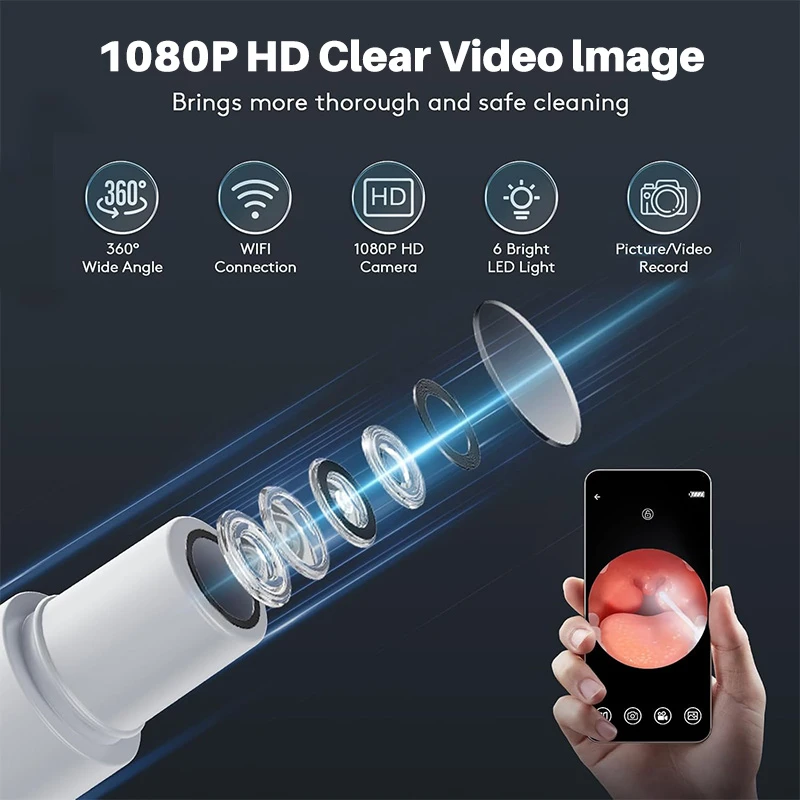
The Gold Rose TC300 Electric Visualized Tonsil Stone Remover stands as the benchmark for safe, intelligent home extraction. Designed with input from oral care specialists, the TC300 integrates an ultra-high-definition micro-camera and shadowless LED lighting that stream low-latency, magnified video directly to a mobile smartphone application. This real-time visual feedback allows users to inspect deep tonsillar crypts with surgical clarity, identifying hidden stones that are invisible in standard bathroom mirrors.
Every TC300 unit comes equipped with a comprehensive set of tonsil stone removal accessories, including multiple interchangeable food-grade silicone and glass suction probes, auxiliary cleaning implements, and protective covers. Manufactured from high-quality, biocompatible materials, the device delivers fast, soothing relief from tonsil stone halitosis while setting a new standard for home oral health protection.
The TC300 bridges the gap between professional ENT instruments and consumer personal care appliances. Its lightweight, contoured handle provides steady hand control, preventing accidental slipping during use. By combining gentle suction with soft, sterilizable probes, the TC300 transforms what used to be a painful, gag-inducing ordeal into a comfortable, two-minute personal grooming routine.
Best Practices: How to Safely Extract Tonsil Stones at Home
Visual inspection and app connectivity
Begin by powering on the Gold Rose TC300 and connecting it to the dedicated mobile app via Wi-Fi. With the front-facing LED light illuminated, gently position the probe inside the oral cavity to inspect the tonsillar pillars. Use the real-time visual feed on your smartphone screen to locate visible stones and assess the depth of the tonsil crypts before applying suction.
Selecting the gentle gear and smooth extraction
Always initiate the extraction on the Soft gear setting. Gently place the ergonomic silicone tip over the crypt opening surrounding the stone. Allow the negative pressure to draw the stone into the collection chamber. For denser or deeper stones, progress to the Clean or Strong gear while keeping the probe steady, avoiding aggressive sideways scraping against the tonsil wall.
Post-cleaning sanitization and oral rinsing
Once the stones are extracted, rinse the mouth thoroughly with warm saline solution to soothe the tonsillar area and clear any residual micro-debris. Detach the silicone suction probe from the TC300, wash it thoroughly with warm antibacterial soap, and allow it to air dry before returning the unit to its wireless charging base.
B2B Sourcing: Why Visual Tonsil Removers Represent a High-Growth Category
Surging consumer demand for non-invasive halitosis solutions
As global consumers become increasingly proactive about personal hygiene and fresh breath confidence, at-home tonsil stone management has rapidly expanded from a niche medical concern into a mainstream oral wellness category. Visualized electronic suction devices command strong retail margins and high consumer satisfaction because they directly resolve the chronic frustration, gagging, and safety risks associated with traditional manual tools.
Gold Rose OEM/ODM customization and compliance reliability
Backed by Huizhou Gold Rose Technology Co., Ltd.-a specialized oral care manufacturing enterprise with over 10,000 square meters of production facilities, ISO 13485 certification, and extensive FDA and CE compliance credentials-the TC300 offers exceptional private-label versatility. Global distributors, dental brands, and e-commerce leaders can leverage comprehensive OEM/ODM services, including custom housing colors, brand logo silkscreening, customized app user interfaces, bespoke gift-box packaging, and multilingual instructional materials, supported by accessible minimum order quantities and rapid sample turnaround.
Frequently Asked Questions
Why is using a water syringe risky for tonsil stone removal?
A water syringe generates uncontrolled hydraulic pressure peaks that can easily lacerate thin tonsillar mucous membranes, causing bleeding and opening pathways for bacterial infection. Furthermore, high-pressure water streams frequently push stones deeper into tonsillar crypts and flood the throat, triggering violent gagging and choking.
How does gentle vacuum suction prevent the gag reflex?
Vacuum suction draws stones outward into a sealed tip without introducing water into the pharynx. Because the gentle negative pressure is strictly localized to the tonsil crypt and avoids touching sensitive trigger zones like the uvula and base of the tongue, it eliminates the physiological triggers of the gag reflex.
What makes the Gold Rose TC300 unique compared to standard manual kits?
The Gold Rose TC300 combines a high-definition micro-camera and LED lighting with real-time smartphone app streaming, allowing users to see exactly what they are cleaning. It also features an intuitive LED Digital Display for battery and gear monitoring, three calibrated suction levels, a 400mAh battery with wireless charging, and a full kit of food-grade safe accessories.
Can tonsil stones cause bad breath even after thorough tooth brushing?
Yes. Tonsil stones are dense biostructures created by anaerobic bacteria that metabolize proteins and produce volatile sulfur compounds (VSCs), such as hydrogen sulfide and methyl mercaptan. Because these bacteria reside deep inside tonsil crypts where toothbrushes and mouthwashes cannot reach, physically removing the stones is essential for lasting breath freshness.
How can brand owners and distributors customize the TC300 through OEM/ODM partnerships?
Distributors can collaborate with Gold Rose for full private-label manufacturing. Customization options include bespoke housing finishes, custom app branding, personalized logo engraving, tailored accessory configurations, and retail packaging design
References
Cleveland Clinic: Tonsil Stones (Tonsilloliths) Symptoms, Causes & Removal
National Institutes of Health (NIH): Halitosis and the Microbiome of Tonsilloliths
Gold Rose TC300 Electric Tonsil Stone Removal Device Specifications
American Academy of Otolaryngology–Head and Neck Surgery (AAO-HNS): Tonsil and Adenoid Health Guidelines
For inquiries regarding the Gold Rose TC300 Visual Vacuum Tonsil Stone Remover, bulk distribution pricing, or OEM/ODM private-label partnerships, visit Gold Rose Tonsil Stone Remover or contact the Gold Rose sales engineering team.