



Clear aligners have revolutionized modern orthodontics, offering patients a discreet, removable, and aesthetically superior alternative to traditional fixed metal brackets. However, the unique material characteristics that make clear aligner therapy attractive also introduce complex daily hygiene challenges. Fabricated from medical-grade thermoplastic polymers such as polyurethane (PU) and polyethylene terephthalate glycol (PET-G), aligners possess intricate, close-fitting interior geometries that conform precisely to dental crowns, interproximal undercuts, and composite attachment buttons. Within these microscopic recesses, salivary pellicles, desquamated epithelial cells, and oral bacteria readily accumulate.
When patients notice cloudy bacterial plaque or morning odor, their immediate instinctive reaction is often to scrub the appliance vigorously with a manual toothbrush and standard dentifrice. While this response is intuitive, clinical tribology demonstrates that mechanical brushing introduces abrasive micro-scratches across thermoplastic substrates. These microscopic scratches permanently compromise optical transparency, scatter ambient light, and transform once-smooth surfaces into porous reservoirs for opportunistic microbial colonization.
As an established OEM/ODM developer specializing in medical-grade piezoelectric transducers and precision oral healthcare appliances, Gold Rose provides this comprehensive technical and clinical analysis. Below, we examine polymer tribology under mechanical brushing shear, the acoustic physics of fluid-phase cavitation, optical transmittance degradation, and manufacturing criteria for B2B distributors.

The Biomechanics of Thermoplastic Degradation: Why Mechanical Brushing Damages Aligners
Polymer Tribology: PET-G, Polyurethane, and Abrasive Slurry Mechanics
Clear orthodontic aligners are engineered from thermoformed amorphous polymers, primarily PET-G co-polyesters or specialized multilayer aromatic polyurethanes. Unlike crystalline tooth enamel, which exhibits a high Vickers hardness value exceeding 300 HV, thermoplastic polymers exhibit significantly lower surface microhardness, typically registering below 15 to 20 HV. Standard commercial toothpastes contain abrasive scouring particles-including hydrated silica, calcium carbonate, and dicalcium phosphate-calibrated to remove pellicle from hard enamel without regard for soft polymer substrates.
When a patient applies a toothbrush loaded with dentifrice against a clear aligner, the bristles trap abrasive silica particles against the polymer, creating a high-friction three-body abrasive wear system. The oscillating bristle tips drag abrasive granules across the plastic under manual pressures often exceeding two Newtons, gouging permanent linear micro-furrows and irregular fissures across the appliance surface.
Optical Scattering: How Micro-Abrasions Destroy Aesthetic Invisibility
The foundational commercial value proposition of clear aligner systems is near-total optical transparency. In pristine condition, high-quality PET-G exhibits a light transmittance rate exceeding ninety percent across the visible spectrum, allowing natural enamel coloration to show through without distortion. However, when abrasive brushing carves micro-grooves measuring between one and ten microns in width, the surface roughness average increases dramatically.
These surface irregularities disrupt specular reflection, replacing it with diffuse light scattering across the polymer-air interface. As light reflects irregularly off thousands of microscopic scratches, the aligner takes on a dull, cloudy, and translucent haze that becomes visibly noticeable during speech. Furthermore, microscopic fissures act as capillary traps for exogenous dietary chromogens-including tannins from coffee, tea, and red wine-causing irreversible yellow discoloration that cannot be removed without compromising structural dimensions.
Bacterial Colonization and Biofilm Sequestration in Surface Crevices
Beyond aesthetic degradation, surface scratching fundamentally alters the microbiological ecology of the appliance. Natural oral biofilms initiated by Streptococcus mutans, Lactobacillus species, and Actinomyces adhere poorly to ultra-smooth polymer finishes with a roughness average below 0.2 microns. However, abrasive scratching creates sheltered micro-topographical niches that shield pioneer bacteria from mechanical salivary shearing and salivary antimicrobial proteins.
Once anchored within these micro-scratches, bacterial colonies secrete an extracellular polymeric substance matrix that binds calcium phosphate from saliva, calcifying into hard tartar accretions. Patients attempting to scrub away these calcified deposits with more aggressive brushing merely deepen the micro-grooves, establishing a self-reinforcing cycle of progressive surface damage and microbial proliferation that can trigger localized gingivitis and bad breath.

Acoustic Cavitation Physics: The Contact-Free Decontamination Solution
Piezoelectric Transduction and Acoustic Compression Cycles
Acoustic cavitation resolves the friction dilemma by replacing mechanical solid-to-solid contact with fluid-phase kinetic energy. Portable ultrasonic dental cleaners integrate piezoelectric ceramic transducers coupled directly to a medical-grade SUS304 stainless steel fluid chamber. Driven by an intelligent oscillating circuit operating between 40 kHz and 48 kHz, the transducer expands and contracts tens of thousands of times per second.
This high-frequency mechanical displacement transmits ultrasonic acoustic waves directly into the aqueous immersion medium. As the acoustic wave propagates through the liquid, it generates alternating micro-cycles of high acoustic compression and negative-pressure rarefaction. During the rarefaction phase, local hydrostatic pressure drops well below the vapor pressure of water, causing tensile tearing of the fluid molecules and creating millions of microscopic vacuum cavities (bubbles).
Bubble Implosion Dynamics, Micro-Jets, and Biofilm Lysis
As the acoustic wave instantly shifts into the compression phase, these micro-bubbles undergo violent, asymmetric collapse within nanoseconds. The catastrophic implosion of cavitation bubbles generates extreme, localized thermodynamic phenomena at the microscopic level: instantaneous temperatures exceeding 4,000 Kelvin and hydraulic micro-shockwaves with pressures surpassing 1,000 atmospheres. When these implosions occur adjacent to the submerged aligner, they produce focused micro-jets of fluid traveling at velocities up to 400 kilometers per hour.
These hydrodynamic micro-jets exert immense localized shear stresses against adherent debris, mechanically cleaving the polysaccharide bonds of bacterial biofilms and lifting calculus accretions off the polymer substrate. Because the cleaning energy is conveyed entirely through fluid shockwaves rather than physical bristles, the cleaning action is entirely contact-free, stripping away microscopic contamination without scratching, abrading, or altering the smooth surface finish of the appliance.
Hydrodynamic Penetration of Complex Geometries and Attachment Wells
The structural geometry of a modern orthodontic aligner presents substantial anatomical barriers to conventional bristle penetration. Aligners incorporate sharp internal line angles, gingival marginal scallops, and deep negative impressions designed to snap over composite attachments bonded to teeth. Toothbrush bristles have a nominal diameter between 150 and 200 microns, making it physically impossible for them to enter tight attachment undercuts or the deep gingival sulcus contours of the tray.
In contrast, fluid-phase ultrasonic cavitation is omnidirectional and non-line-of-sight. Water molecules and cavitation micro-bubbles, measuring merely fractions of a micron, effortlessly circulate into every recessed contour, attachment well, and micro-gap. The cavitation micro-jets decontaminate internal attachment niches that manual brushes bridge over, ensuring comprehensive microbial debridement across the entire 3D surface area of the appliance.
Product Showdown: Comparing Leading Orthodontic Appliance Cleaning Systems
Gold Rose US900 Ultra-Quiet Retainer Cleaner - Best Overall
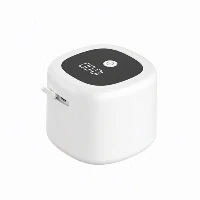
The Gold Rose US900 Ultrasonic Cleaner for Retainer represents the premier engineering benchmark for clear aligner and orthodontic maintenance, earning the Best Overall rating. Operating across a precision 43 kHz to 45 kHz acoustic frequency band, the US900 generates dense microscopic cavitation fields that strip ninety-nine percent of plaque and residue without causing micro-abrasions. Its proprietary acoustic-dampening architecture suppresses operational noise to a whisper-quiet 48 dB, eliminating the harsh high-pitched resonance typical of generic commercial baths.
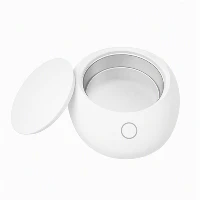
The US900 features a patented separable chassis design, isolating the food-grade SUS304 stainless steel fluid reservoir from the electronic base for effortless refilling and sanitization. Furthermore, the unit integrates dual-band UVA and UVC illumination to assist hygienic maintenance during the timed cleaning cycle. Powered by an internal 4,000 mAh rechargeable lithium-ion battery with universal USB Type-C charging, the US900 delivers exceptional cordless convenience for domestic use and private-label dental brand programs.
Gold Rose US600 Rechargeable Ultrasonic Cleaner - Best for Portable Hygiene
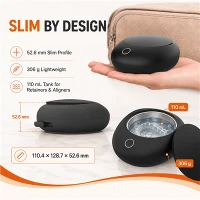
Engineered specifically for active orthodontic patients and traveling professionals, the Gold Rose US600 Rechargeable Ultrasonic Cleaner provides clinical-grade cavitation in an ultra-compact, travel-friendly footprint. The unit houses a high-efficiency piezoelectric transducer operating at 40 kHz, generating robust micro-streaming currents that dissolve aligner haze on the go. Its durable, IPX7 waterproof chassis and sealed silicone charging port ensure safe operation in hotel bathrooms, while its long-lasting lithium battery delivers over a week of daily cleaning cycles on a single charge.
Soft-Bristled Manual Toothbrushes - Low-Cost Mechanical Baseline
Soft-bristled manual toothbrushes represent the traditional baseline method for cleaning dental appliances. While accessible and familiar, manual brushing relies entirely on subjective user dexterity, bristle stiffness, and inconsistent hand pressure. Even when paired with non-abrasive liquid soap instead of gritty toothpaste, physical bristle friction gradually dulls polymer gloss over multi-week wear cycles. Furthermore, manual bristles cannot effectively clean deep composite attachment impressions or complex interdental margins.
Effervescent Chemical Soaking Tablets - Static Chemical Alternative
Effervescent soaking tablets use oxidizing agents-such as sodium perborate or potassium monopersulfate-dissolved in a cup of static warm water. While these chemical solutions offer light surface deodorization and mild bleaching, they lack dynamic kinetic energy. Without physical agitation or cavitation micro-scrubbing, static chemical soaks leave dense, sticky plaque biofilms and calcified mineral deposits largely intact across the plastic surface, requiring secondary manual brushing.

Technical Comparison of Aligner Cleaning Hardware
| Specification Parameter | Gold Rose US900 Ultra-Quiet | Gold Rose US600 Rechargeable | Soft Manual Toothbrush | Effervescent Soak Tablet |
|---|---|---|---|---|
| Primary Category | Best Overall Aligner Cleaner | Best for Portable Hygiene | Manual Mechanical Tool | Static Chemical Bath |
| Operating Frequency | 43–45 kHz Precision Acoustic | 40 kHz Swept Acoustic | 0 Hz (Manual Hand Stroke) | 0 Hz (Static Liquid) |
| Cleaning Mechanism | Acoustic Cavitation & Fluid Jets | Fluid Cavitation Micro-Stream | Solid Bristle Friction | Chemical Oxidation Only |
| Substrate Scratch Risk | Zero (Non-Contact Fluid Wave) | Zero (Non-Contact Fluid Wave) | High (Abrasion Furrows) | Zero (Static Chemical) |
| Complex Crevice Reach | Complete (Omnidirectional) | Complete (Omnidirectional) | Poor (Bridged by Bristles) | Low (No Kinetic Drive) |
| Noise Profile | Ultra-Quiet (Under 48 dB) | Low-Vibration Body | Silent | Mild Bubbling |
| Power Architecture | 4,000 mAh Rechargeable Type-C | Long-Life Lithium Battery | None (Manual Force) | None (Chemical Reaction) |
| B2B / OEM Support | Full Private-Label Program | Full Private-Label Program | Commodity Retail Goods | Commodity Consumable |
Clinical Protocol: Daily Care Workflow for Clear Orthodontic Appliances
Immediate Salivary Rinse and Pre-Cleaning Inspection
Immediately upon removing aligners for meals or hot beverages, users should rinse the appliances thoroughly under lukewarm tap water. Allowing saliva to dry on the plastic permits salivary proteins and mucins to denature and cross-link, forming a stubborn, dried pellicle that is significantly harder to remove. Inspect the appliance under good lighting for signs of micro-cracks or structural warping before proceeding to deeper cleaning.
Automated Ultrasonic Cavitation Cycle with Compatible Cleansers
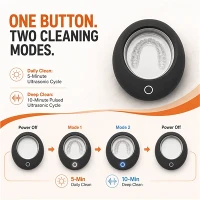
Place the rinsed aligners into the stainless steel tank of an ultrasonic cleaner, ensuring the trays are fully submerged in clean, lukewarm water. Add a mild, orthodontist-approved cleaning crystal or gentle effervescent tablet formulated specifically for clear plastics, avoiding harsh bleaches, alcohol-based mouthwashes, or boiling water that will warp thermoplastic shapes. Run a standardized three- to five-minute ultrasonic cycle, allowing cavitation micro-jets to dismantle subgingival biofilms. Once the cycle finishes, rinse the aligners thoroughly under clear water and allow them to air-dry in a ventilated protective case.
Strategic Sourcing and OEM Manufacturing Standards for B2B Distributors
Transducer Frequency Tuning, Swept Circuits, and Thermal Management
For commercial distributors, retail dental brands, and orthodontic clinic networks evaluating OEM suppliers, ultrasonic transducer architecture determines long-term product efficacy. Cheap imitation units frequently integrate low-grade buzzers or under-driven ceramic discs that produce loud buzzing without generating genuine negative-pressure cavitation. Professional OEM platforms utilize high-efficiency piezoelectric ceramic transducers driven by swept-frequency circuits. Modulating the driving frequency prevents static standing waves in the fluid bath, ensuring uniform cavitation bubble collapse across the entire volume of the tank. Furthermore, intelligent thermal management circuits prevent fluid temperatures from exceeding 40 degrees Celsius, completely eliminating the risk of thermal deformation to delicate thermoplastic trays.
Medical Device Compliance, Waterproof Sealing, and Private Labeling
Global distribution in the personal orthodontic hygiene sector requires stringent compliance with international safety and electromagnetic directives. Manufacturing facilities must maintain certified ISO 13485 medical device quality management systems and ISO 9001 factory standards. Hardware enclosures must achieve IPX5 or IPX7 waterproof certification (IEC 60529), biocompatible food-grade material verification for all fluid-contact surfaces (FDA, LFGB, RoHS), and full electromagnetic safety compliance (CE, FCC). Gold Rose provides global brand partners with turnkey OEM/ODM production services, encompassing bespoke structural tooling, customized tank capacities, localized retail packaging, and comprehensive regulatory clearance documentation.
Frequently Asked Questions
Q1: Can I use regular toothpaste and a toothbrush to clean my clear aligners?
No, dental professionals strongly advise against using regular toothpaste and toothbrushes on clear aligners because abrasive particles in toothpaste scratch soft thermoplastic surfaces. These micro-scratches scatter light, making transparent aligners look dull and cloudy while creating microscopic crevices that harbor odor-causing bacteria.
Q2: Does an ultrasonic cleaner scratch or damage clear aligners?
No, an ultrasonic cleaner cleans through fluid cavitation rather than physical solid-to-solid abrasion, making it completely safe for delicate orthodontic plastics. The high-frequency acoustic waves produce microscopic water bubbles that implode gently against the aligner, dislodging stubborn plaque and stains without scratching or warping the material.
Q3: How often should clear aligners be cleaned in an ultrasonic cleaner?
Orthodontic patients should clean their aligners in an ultrasonic cleaner at least once daily, preferably during morning or evening oral hygiene routines. Regular daily cavitation cycles prevent plaque from calcifying into stubborn tartar and eliminate morning odor without tedious manual scrubbing.
Q4: Does Gold Rose manufacture private-label ultrasonic cleaners for orthodontic brands?
Yes, Gold Rose provides comprehensive OEM/ODM manufacturing services for high-performance ultrasonic dental cleaners, including the flagship US900 and portable US600 platforms. Global orthodontic supply networks, dental retail brands, and clinical distributors can customize transducer specifications, exterior ergonomics, colorways, and retail packaging directly through goldrosa.com.
Q5: Can hot water be used in an ultrasonic aligner cleaner?
No, users must never fill an ultrasonic cleaner with hot or boiling water because thermoplastic aligner polymers have low thermal glass transition thresholds. Exposing aligners to water temperatures above 40 degrees Celsius will warp the plastic, ruining the precision orthodontic fit and requiring expensive replacement trays from the clinician.
References
Researcher.Life. (2023). Impact of Common Cleaning Protocols on the Light Transmittance and Surface Roughness of PET-G Clear Aligners: An In Vitro Profilometric Study. Scientific Literature Index.
American Journal of Orthodontics and Dentofacial Orthopedics. (2025). Comparative Clinical Efficacy of Household Ultrasonic Cavitation Coupled with Antimicrobial Agents on Thermoplastic Orthodontic Retainers. AJO-DO Clinical Research.
Journal of Clinical Periodontology. (2022). Microbial Colonization Dynamics and Biofilm Adhesion on Thermoformed Orthodontic Appliances. Wiley Online Library.
American Association of Orthodontists. (2023). Clinical Practice Guidelines for Clear Aligner Hygiene and Appliance Maintenance. AAO Consumer & Clinical Resources. https://aaoinfo.org
Gold Rose. US900 Ultrasonic Cleaner for Retainer and Precision Orthodontic Decontamination Platforms. https://www.goldrosa.com/ultrasonic-dental-cleaner/ultrasonic-cleaner-for-retainer.html
Gold Rose. US600 Portable Rechargeable Ultrasonic Dental Cleaner. https://www.goldrosa.com/ultrasonic-dental-cleaner/rechargeable-ultrasonic-cleaner.html
Gold Rose. OEM/ODM Oral Healthcare Technology Engineering and Manufacturing Platforms. https://www.goldrosa.com/oem-odm