


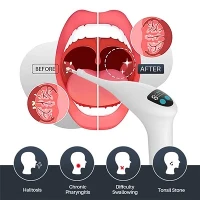
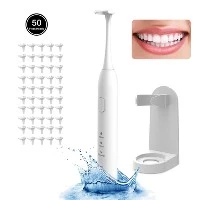

Every pharmacy category manager and clinical retail buyer has observed a recurring consumer pattern in the oral hygiene aisle: a shopper holding an antibacterial mouthwash or specialized dentifrice they have already purchased repeatedly without lasting relief. While mechanical brushing, string flossing, and therapeutic rinses address the majority of dentition-related complaints, chronic halitosis frequently persists unabated. In a substantial subset of refractory cases, the malodour does not originate from the dental surfaces, interproximal gingival embrasures, or the posterior tongue dorsum. Instead, it arises directly from deep within the invaginated crypts of the palatine tonsils.
This clinical reality has triggered a rapid commercial shift across North American, European, and Asia-Pacific healthcare distribution channels. Electric tonsil stone removers-transitioning from niche specialty gadgets into regulated over-the-counter (OTC) personal care fixtures-offer a targeted physical mechanism of action where biochemical rinses fail. For pharmacy retail buyers, medical distributors, and private-label oral care brands, capitalizing on this expanding category requires an understanding of oropharyngeal biofilm pathophysiology, negative-pressure vacuum dynamics, FDA wellness regulatory compliance, and precision B2B manufacturing standards.

Oropharyngeal Pathophysiology: Tonsillolith Genesis and Chronic Malodour Mechanics
Polymicrobial Biofilm Architecture and Anaerobic Proteolysis
Palatine tonsils are immunocompetent lymphoid organs lined with stratified squamous epithelium that invaginates deeply into the tonsillar parenchyma, forming 10 to 20 branching anatomical conduits known as tonsillar crypts. Within these protected, low-oxygen recesses, desquamated epithelial cells, trapped food particles, salivary proteins, and serous exudates accumulate. This organic debris becomes heavily colonized by dense polymicrobial biofilms dominated by obligate anaerobic bacteria, including Fusobacterium nucleatum, Porphyromonas gingivalis, Prevotella intermedia, and Treponema denticola.
These anaerobic microorganisms produce proteolytic enzymes that metabolize sulfur-containing amino acids (cysteine and methionine) into volatile sulfur compounds (VSCs), principally hydrogen sulfide (H2SH2S), methyl mercaptan (CH3SHCH3SH), and dimethyl sulfide ((CH3)2S(CH3)2S). These gases generate intense, foul-smelling oral malodour detectable even at sub-parts-per-billion concentrations. Over time, bacterial alkaline phosphatase and salivary calcium salts (calcium phosphate and calcium carbonate) precipitate within the organic matrix, mineralizing the soft caseous plugs into hard calculi known as tonsilloliths.
Epidemiological Prevalence and Halitometric Correlation
Clinical literature confirms that tonsillolith-mediated halitosis is widespread rather than an isolated pathology. A prospective clinical evaluation published in the British Dental Journal measured VSC halitometry in patients diagnosed with chronic caseous tonsillitis. The investigators observed visible tonsilloliths in 75% of subjects presenting with objectively abnormal halitometric readings, compared to only 6% among subjects with normal physiological breath. The study concluded that the presence of a tonsillar calculus confers a tenfold increased relative risk of objective clinical halitosis.
Furthermore, radiographic screening studies examining large consumer populations report that tonsilloliths are present in approximately 8.14% of panoramic dental radiographs, with higher microscopic prevalence confirmed in post-tonsillectomy histopathology. Because tonsillar crypts are dynamic reservoirs of living, self-replenishing biofilm rather than inert mineral debris, surface gargling or enzymatic mouthwashes cannot penetrate the narrow crypt orifices. Long-term odour eradication requires physical vacuum extraction of the nidus.
Fluid Mechanics: Controlled Negative Pressure vs. Pressurized Syringe Irrigation
Shear Stress Traumatization in Blind High-Pressure Irrigation
Historically, individuals seeking relief have resorted to manual prodding with cotton swabs, wooden curettes, or plastic water syringes. Hydrodynamic flushing using manual dental water syringes frequently introduces severe clinical hazards. Manual syringes generate unregulated, pulsatile fluid pressures that often exceed the tensile tolerance of delicate tonsillar lymphoid mucosa (shear pressures exceeding 30–50 kPa).
Blunt liquid jetting against an obstructed crypt opening can force sharp calculus fragments deeper into bifurcated parenchymal pockets, tearing vascularized submucosa and inducing bleeding, severe edema, or peritonsillar micro-abscesses. Moreover, uncontrolled irrigation fluids pool rapidly across the posterior pharyngeal wall, triggering a violent laryngeal adductor spasm (coughing/gag reflex) and posing potential liquid aspiration risks.
Aerodynamic Laminar Suction and Mucosal Preservation
Controlled electronic vacuum extraction replaces dangerous positive hydraulic pressure with calibrated negative aerodynamic pressure. By applying a smooth, continuous negative-pressure field (calibrated between 15 kPa and 45 kPa) directly around the crypt orifice, the device creates a localized pressure differential. This pressure gradient draws the caseous tonsillolith cleanly outward from the crypt base into an isolated external collection chamber without traumatizing underlying lymphoid capillaries.
Smooth, flared horn-shaped nozzle tips optimize suction distribution around the crypt entrance rather than concentrating high localized vacuum on fragile mucosal folds. Smooth medical-grade borosilicate glass and compliant food-grade silicone probes ensure low-friction mucosal contact, preventing epithelial micro-abrasions while gently decompressing the crypt pocket.
Regulatory Classification: FDA General Wellness Guidance vs. Class I Medical Devices
The 2026 FDA General Wellness Guidance Guardrails
Navigating international regulatory frameworks is essential for distributors entering the OTC pharmacy landscape. On January 6, 2026, the U.S. Food and Drug Administration (FDA) issued a revised final version of its General Wellness: Policy for Low Risk Devices guidance document. This regulatory framework establishes clear compliance boundaries for consumer self-care devices:
Intended Use Boundaries: Non-software consumer products intended solely to promote general oral hygiene, maintain fresh breath, and assist in routine aesthetic grooming remain subject to regulatory enforcement discretion as low-risk wellness products.
Strict Marketing Prohibitions: Packaging, commercial labeling, user manuals, and advertising copy must not claim to "diagnose, treat, cure, or prevent tonsillitis," "substitute for clinical surgical tonsillectomy," or "provide sterile ENT medical debridement."
The "Medical-Grade" Labeling Restriction: The revised guidance specifically warns against marketing consumer grooming products as "medical grade" on retail packaging unless supported by specific medical device clearances. Retail brands must audit supplier-provided marketing sheets to ensure retail cartons align strictly with consumer wellness positioning.
Regulated Class I Dental Device Pathways (21 CFR 872.6510)
If a commercial distributor or brand elects to expand labeling claims to encompass clinical debris debridement, pocket irrigation, or therapeutic intervention, the device transitions under FDA jurisdiction into an Oral Irrigation Unit under 21 CFR 872.6510 (Product Code: EFS).
While classified as a Class I medical device that is exempt from 510(k) premarket notification, commercial distribution under this classification legally mandates:
U.S. FDA Establishment Registration for the manufacturer and initial importer.
Official Medical Device Listing through the FDA Unified Registration and Listing System (FURLS).
Comprehensive Quality Management System compliance conforming to 21 CFR Part 820 / ISO 13485 standards.
Formal Medical Device Reporting (MDR) adverse event surveillance protocols.
Distributors must recognize that an ISO 13485 factory certificate confirms quality management system compliance; it does not constitute an FDA 510(k) clearance or device registration. Retailers must establish clear labeling positioning prior to finalized packaging and inventory production.

Retail Commercialization: Why Tonsil Stone Removers Belong on the OTC Pharmacy Shelf
Prevention-Led Consumer Health Trends and Omnichannel Positioning
Data from IQVIA's global consumer health analyses indicates steady growth across the worldwide OTC healthcare market, driven by prevention-focused self-care categories. Modern pharmacy shoppers proactively seek at-home solutions for chronic personal discomforts rather than scheduling specialized clinical appointments for benign complaints.
While community pharmacies provide professional credibility, clinical authority, and pharmacist recommendations, modern retail growth pairs brick-and-mortar shelf placement with digital e-commerce channels. An omnichannel strategy allows distributors to capture immediate pharmacy foot traffic while driving long-term accessory replenishment sales through digital storefronts.
High-Margin Accessory Ecosystems and Replenishment Economics
A conventional bottle of antiseptic mouthwash is a low-margin, high-turnover consumable that rarely solves the underlying condition. Conversely, an electric vacuum tonsil stone remover serves as a high-ticket anchor SKU that creates an ongoing accessory replenishment model:
Detachable Medical Probes: Multi-pack silicone and borosilicate glass nozzles designed for individual replacement every 60–90 days for optimal mucosal hygiene.
Sterilization & Storage Accessories: Protective travel caps, dedicated sanitizing cases, and specialized cleaning brushes.
Adjunctive Irrigation Solutions: Specialized saline ampoules and non-alcoholic soothing sprays tailored for pre- and post-extraction crypt irrigation.
This product ecosystem elevates basket value for retail pharmacies while securing recurring customer lifetime value (LTV) for distribution partners.
Product Showdown: Professional Vacuum Tonsil Stone Extraction Systems
Gold Rose TC300 Electric Visualized Tonsil Stone Remover - Best Overall for App-Guided Extraction
The Gold Rose TC300 Electric Visualized Tonsil Stone Remover serves as the premier engineering benchmark for visualized self-care extraction, earning the Best Overall rating for private-label brands and pharmacy chains. The TC300 solves the primary clinical challenge of home extraction-blind operation-by integrating an ultra-high-definition micro-camera and a shadowless circular LED lighting array that streams real-time, magnified video to a secure iOS/Android smartphone application. Users can visualize the tonsillar crypt directly on screen, eliminating the guesswork of conventional bathroom mirrors.
The TC300 incorporates three calibrated negative-pressure suction modes (Soft, Clean, and Strong), allowing first-time users to start with gentle mucosal decompression before advancing power. The handle features an intuitive LED digital display indicating battery charge and operational gear, a 400 mAh lithium-ion cell mounted to a sealed wireless inductive charging base, and detachable, autoclavable food-grade silicone and borosilicate glass suction probes. By isolating negative pressure strictly to the crypt orifice, the TC300 avoids irritating the adjacent uvula and posterior tongue, significantly mitigating the pharyngeal gag reflex.
Gold Rose Power Tonsil Stone Remover - Best for Complete Multi-Tool Physical Hygiene Kits
For healthcare distributors seeking a comprehensive, physical-mechanical hygiene system, the Gold Rose Power Tonsil Stone Remover provides an all-in-one clinical retail bundle. The system combines calibrated vacuum suction with smooth borosilicate glass nozzles engineered for mucosal safety.
The retail bundle includes a high-intensity USB-powered oral inspection lamp, a 5X optical magnifying mirror, medical-grade stainless steel extraction tweezers, slim extraction loops, protective covers, tongue depressors, and a targeted oral irrigator with an angled glass nozzle. This comprehensive configuration allows retail pharmacies to present a complete, multi-step care protocol that justifies a premium price point on the shelf.
Gold Rose Electronic Vacuum Tonsil Stone Remover - Best for Low-MOQ Pilot Programs
For regional distributors and specialized retail chains seeking to validate market demand with low initial inventory commitments, the Gold Rose Electronic Vacuum Tonsil Stone Remover offers an accessible commercial entry point with a low minimum order quantity (MOQ) of 100 units.
Featuring single-button operation with five distinct suction settings spanning from a gentle "WEAK" to an intensive "STRONG" mode, the device ships with a custom-molded desktop charging cradle, a smooth horn-shaped oral probe, a 5X magnifying mirror, an illumination lamp, a warm-water tonsil syringe, and auxiliary tools. Supported by Gold Rose's robust quality assurance and flexible OEM customization, this model is already widely distributed across North American, European, and Asian retail channels.
Manual Syringe and Stainless Steel Pick Sets - Non-Electronic Entry Baseline
Generic manual kits consisting of curved plastic syringes and stainless steel curettes represent the low-cost non-electronic baseline. Lacking calibrated suction, active visualization, or mucosal protection, these mechanical tools carry elevated risks of tissue tearing, infection, and customer dissatisfaction.

Technical Comparison of Tonsil Stone Removal Systems
| Specification Parameter | Gold Rose TC300 Visualized | Gold Rose Power Kit | Gold Rose Electronic Vacuum | Manual Syringe & Pick Sets |
|---|---|---|---|---|
| Product Classification | Best Overall App-Guided | Best Multi-Tool Care Kit | Best Low-MOQ Pilot SKU | Entry-Level Manual Baseline |
| Extraction Technology | Calibrated Dynamic Vacuum | Negative-Pressure Suction | 5-Stage Electronic Vacuum | Manual Mechanical Scraping |
| Visual Guidance System | UHD Micro-Camera + App | USB LED Light + 5X Mirror | Oral Lamp + 5X Magnifier | None / Ambient Lighting |
| Suction Calibration | 3 Modes (Soft/Clean/Strong) | Calibrated Constant Level | 5 Modes (Weak to Strong) | Unregulated Manual Force |
| Mucosal Contact Tips | Silicone & Borosilicate | Borosilicate Glass Nozzles | Smooth Horn-Shaped Probe | Hard Rigid Metal / Acrylic |
| Power Architecture | 400 mAh Wireless Induction | USB Rechargeable System | Ergonomic Desktop Cradle | Non-Powered Manual |
| Gag Reflex Control | Contoured Localized Seal | Tongue Depressor + Guide | Graduated Suction Steps | High (Direct Tissue Contact) |
| Minimum Order Quantity | 500 Units (OEM Program) | 500 Units (OEM Program) | 100 Units (Rapid Trial) | 1,000+ Commodity Sourcing |
B2B Sourcing Protocols: Engineering Verification, Quality Control, and OEM Customization
Ergonomic Design, Mucosal Biocompatibility, and Cleanability Standards
When evaluating OEM manufacturers for electric tonsil stone extractors, procurement teams must enforce rigorous mechanical and biological standards. Suction tips must be crafted from certified medical-grade borosilicate glass or USP Class VI / ISO 10993 biocompatible food-grade silicone to guarantee zero cytotoxic leaching upon mucosal contact. Mold partings must be free of flash or micro-burrs that could lacerate the vascularized tonsillar surface.
Fluid isolation is equally vital. The device must feature a sealed internal labyrinth fluid trap that prevents extracted mucus, saliva, and particulate debris from contaminating the internal vacuum pump motor or internal electrical traces. All components contacting the oral cavity must detach smoothly for warm-water washing, alcohol wipe sanitization, or immersion cleaning.
Turnkey Private-Label Engineering with Gold Rose
Manufacturing execution directly governs market performance. Backed by over eight years of specialized R&D and manufacturing experience in Huizhou, China, Gold Rose provides turnkey OEM/ODM contract manufacturing for healthcare brands, pharmaceutical retail distributors, and dental suppliers worldwide.
Operating under audited ISO 13485 and ISO 9001 quality management systems, Gold Rose maintains a monthly production capacity exceeding 70,000 units. Our senior engineering team provides comprehensive customization services, including:
Bespoke injection-molded housing aesthetics and custom pantone finishes.
Proprietary app interface localization, firmware customization, and cloud security compliance.
Multilingual retail packaging, blister tray layouts, and FBA-ready master cartons.
Full regulatory technical dossiers supporting international CE, FCC, RoHS, UKCA, and FDA commercial compliance.
Frequently Asked Questions
Q1: Why do tonsil stones cause chronic bad breath that mouthwash cannot resolve?
Tonsil stones harbor dense anaerobic biofilms within deep tonsillar crypts where gargled rinses cannot penetrate. These bacteria continuously metabolize proteins into foul volatile sulfur compounds, meaning the malodour persists until the calculus is physically evacuated.
Q2: Is an electric tonsil stone remover considered a regulated medical device by the FDA?
Under the FDA's revised January 2026 General Wellness Guidance, devices marketed strictly for oral hygiene and breath freshness are classified as low-risk wellness products. However, claiming to treat infection or perform surgical debridement shifts classification to a Class I medical device (21 CFR 872.6510).
Q3: How does an electric vacuum remover prevent the pharyngeal gag reflex?
The pharyngeal gag reflex is triggered when mechanical tools touch the uvula, palatal arches, or base of the tongue. Electric removers utilize contoured nozzles that focus negative pressure directly at the crypt orifice, removing debris without requiring wide intraoral manipulation.
Q4: What suction specifications are required for safe tonsil stone extraction?
A retail-ready unit must feature regulated, multi-stage suction (typically 15 to 45 kPa) with a gentle starting mode. Fixed, high-powered industrial suction can cause mucosal hematomas, while variable settings allow users to safely extract stones according to comfort and stone density.
Q5: What private-label customization options does Gold Rose provide for OTC retail brands?
Gold Rose provides comprehensive OEM/ODM solutions, including custom housing colors, brand silkscreening, customized mobile app interfaces, tailored accessory kit bundles, and multilingual packaging. Initial production minimums start at 100 units for select models, backed by ISO 13485-certified manufacturing facilities.
References
British Dental Journal. (2008). Evaluation of Volatile Sulfur Compounds and Halitometry in Patients with Caseous Tonsillitis and Tonsilloliths. Br Dent J, 204(2), E4.
American Journal of Otolaryngology. (2014). Prevalence and Clinical Characteristics of Tonsilloliths: A Panoramic Radiographic Study. Am J Otolaryngol, 35(2), 142–147.
Journal of Clinical Microbiology. (2015). Tonsillolith: A Polymicrobial Biofilm Characterized by High-Density Anaerobic Colonization. J Clin Microbiol, 53(8), 2410–2418.
U.S. Food and Drug Administration. (2026). General Wellness: Policy for Low Risk Devices - Guidance for Industry and Food and Drug Administration Staff. Issued January 6, 2026. Center for Devices and Radiological Health, Rockville, MD.
IQVIA Consumer Health. (2025). Self-Care Innovation and OTC Distribution Trends: Prevention-Led Growth in Global Pharmacy Channels. AESGP Annual Conference Proceedings, Brussels, Belgium.
Gold Rose. Tonsil Stone Remover Line and Turnkey OEM/ODM Contract Manufacturing Services. https://www.goldrosa.com/tonsil-stone-remover/
Gold Rose. Power Tonsil Stone Remover with Negative-Pressure Extraction and Multi-Tool Oral Hygiene Kit. https://www.goldrosa.com/tonsil-stone-remover/power-tonsil-stone-remover.html
Gold Rose. Electronic Vacuum Tonsil Stone Remover with 5-Level Calibrated Suction and Desktop Cradle. https://www.goldrosa.com/tonsil-stone-remover/electronic-vacuum-tonsil-stone-remover.html
Gold Rose. Comprehensive OEM/ODM Engineering, Rapid Prototyping, and International Regulatory Support. https://www.goldrosa.com/oem-odm