




Maintaining good oral hygiene involves much more than brushing and flossing. Today, millions of people wear retainers, clear aligners, dentures, night guards, and other removable dental appliances every day. While these devices help improve oral health and quality of life, they also create a new challenge: keeping them truly clean.
Many people assume that rinsing with water or brushing occasionally is enough. Unfortunately, dental appliances contain small grooves, tight spaces, and textured surfaces that can trap bacteria, plaque, saliva proteins, and food debris. Over time, this buildup can lead to unpleasant odors, discoloration, and potential oral health concerns.
As awareness of oral hygiene continues to grow, consumers are increasingly looking for convenient and effective cleaning solutions. This trend has fueled demand for the Ultrasonic Retainer Cleaner, a device that uses advanced cleaning technology to help maintain oral appliances safely and efficiently at home.
For retailers, distributors, wholesalers, and oral care brands, ultrasonic cleaning products represent one of the fastest-growing opportunities in the home healthcare market. This article explores why ultrasonic cleaning is becoming a household essential and how businesses can benefit from this expanding category.
The Growing Importance Of Cleaning Dental Appliances
The number of people using removable dental devices has increased significantly over the past decade. Orthodontic treatments, cosmetic dentistry, and aging populations have all contributed to growing demand for retainers, aligners, and dentures.
Modern Dental Appliances Create Unique Cleaning Challenges
Unlike natural teeth, removable dental appliances feature complex shapes and hidden surfaces that are difficult to clean manually. Clear aligners fit closely against teeth, retainers contain small grooves, and dentures often have textured areas that can trap debris.
Even individuals with excellent brushing habits may struggle to remove contaminants from these hard-to-reach areas. As a result, dental appliances often require specialized cleaning methods that go beyond traditional brushing.
Daily Wear Encourages Biofilm Formation
Most retainers and aligners are worn between 18 and 22 hours per day. During this time, they remain in constant contact with saliva, oral bacteria, and food particles. When cleaning is inadequate, biofilm can begin developing within a short period.
Biofilm is a thin layer of microorganisms that adheres to surfaces. Once established, it becomes increasingly difficult to remove through simple rinsing or brushing. This can contribute to unpleasant odors, staining, and reduced appliance hygiene.
Consumer Awareness Of Oral Hygiene Is Increasing
Today's consumers are more informed about oral health than ever before. They understand that maintaining clean dental appliances is an important part of overall hygiene. As a result, products that offer convenient and effective cleaning solutions are becoming increasingly popular in both retail and e-commerce channels.
What Is An Ultrasonic Retainer Cleaner?
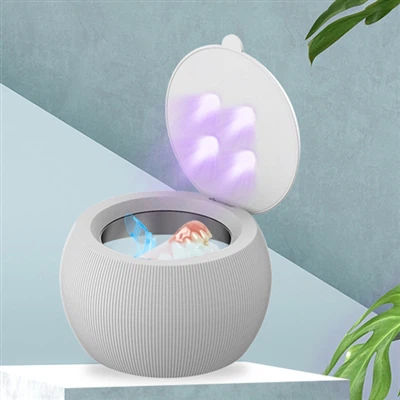
An ultrasonic cleaner uses high-frequency sound waves to generate microscopic bubbles in water. This process, known as cavitation, creates gentle cleaning action that helps remove contaminants from surfaces without causing damage.
How Ultrasonic Cleaning Technology Works
When the device operates, sound waves travel through water and create millions of tiny bubbles. These bubbles rapidly form and collapse, producing localized energy that dislodges debris, plaque, and residue from surfaces.
Unlike manual cleaning, ultrasonic technology reaches narrow spaces and hidden areas that are difficult to access with a toothbrush. This makes it highly effective for cleaning dental appliances with intricate designs.
Why Invisalign Users Prefer Ultrasonic Cleaning
Many orthodontic patients now use an Invisalign Cleaner to help maintain the clarity and cleanliness of their aligners. Because aligners are transparent, even minor discoloration or buildup can become noticeable.
Ultrasonic cleaning helps remove residue without scratching the surface, preserving both appearance and hygiene. This makes it an attractive option for individuals who want their aligners to remain clear and comfortable throughout treatment.
One Device For Multiple Applications
Modern ultrasonic cleaners are highly versatile. In addition to retainers and aligners, they can clean dentures, mouthguards, whitening trays, toothbrush heads, and other removable oral appliances.
This versatility increases product value and makes ultrasonic cleaning a practical long-term investment for households.

Why More Families Are Adding Ultrasonic Cleaners To Their Homes
As home healthcare products continue to evolve, ultrasonic cleaning devices are becoming as common as electric toothbrushes and water flossers.
An Ultrasonic Cleaner For Retainers Simplifies Daily Care
One of the biggest advantages of an Ultrasonic Cleaner for Retainers is convenience. Most cleaning cycles take only a few minutes and require minimal effort. Users simply place the appliance inside the cleaning chamber, add water, and start the cycle.
Because the process is simple and repeatable, consumers are more likely to maintain consistent cleaning habits.
Better Hygiene Leads To Greater Confidence
Regular ultrasonic cleaning helps reduce the buildup of plaque, bacteria, and biofilm. Cleaner appliances often feel fresher, smell better, and provide a more comfortable wearing experience.
Many users report noticeable improvements after incorporating ultrasonic cleaning into their daily routine. These benefits help explain the growing popularity of ultrasonic cleaning technology in home oral care.
An Ultrasonic Denture Cleaner Supports Senior Oral Health
Older adults often face unique challenges when caring for dentures. Manual scrubbing may be difficult for individuals with limited hand strength or mobility.
An Ultrasonic Denture Cleaner provides a gentle and efficient alternative. By reducing the need for vigorous brushing, it helps preserve denture materials while simplifying maintenance. This makes ultrasonic cleaning particularly appealing to seniors and caregivers.
Key Features To Look For In A Quality Ultrasonic Cleaner
For distributors, importers, and brand owners, understanding product features is critical when selecting products for market success.
Ultrasonic Frequency Determines Cleaning Performance
Most premium oral care cleaners operate within the 40kHz to 45kHz frequency range. This frequency provides an excellent balance between cleaning effectiveness and material safety.
The cavitation bubbles produced at this range are small enough to penetrate tight spaces while remaining gentle on plastic and resin materials commonly used in dental appliances.
Food-Grade Stainless Steel Improves Durability
A high-quality ultrasonic cleaner should feature a SUS304 food-grade stainless steel cleaning tank. This material offers excellent resistance to corrosion, staining, and bacterial growth.
Consumers often associate stainless steel construction with premium quality and long product lifespan, making it an important selling point.
Multiple Cleaning Modes Increase User Satisfaction
Different appliances require different levels of cleaning intensity. Devices with multiple cleaning modes provide greater flexibility for users and enhance the overall customer experience.
Whether cleaning aligners, retainers, or dentures, customizable settings allow users to achieve optimal results based on their specific needs.
Portable Design Meets Modern Lifestyle Needs
Consumers increasingly prefer products that fit seamlessly into their daily routines. Compact ultrasonic cleaners are ideal for home use, travel, and office environments.
Rechargeable battery options and lightweight designs further increase convenience, making these products attractive to a broad range of consumers.

Why Ultrasonic Cleaning Is A Strong Business Opportunity
The oral care industry continues to expand globally, creating significant opportunities for manufacturers, distributors, and private-label brands.
Demand For Dental Appliance Cleaners Continues To Rise
As more consumers adopt orthodontic treatments and removable dental devices, demand for specialized cleaning products continues to increase. A high-quality Dental Appliance Cleaner addresses a clear market need by helping users maintain appliance hygiene safely and efficiently.
This growing consumer demand makes ultrasonic cleaning devices an attractive addition to oral care product portfolios.
Orthodontic Growth Supports Long-Term Market Expansion
The popularity of clear aligners and orthodontic treatments continues to rise worldwide. Every aligner user requires a reliable method for maintaining appliance cleanliness.
As treatment adoption grows, demand for ultrasonic cleaning solutions is expected to increase alongside it, creating long-term growth potential for businesses entering the category.
OEM And ODM Opportunities Create Competitive Advantages
Private-label ultrasonic cleaners offer strong customization potential. Manufacturers can provide custom logos, packaging, colors, instruction manuals, and product features.
These capabilities allow brands to create differentiated products while building stronger market positioning and customer loyalty.
Consumers Value Products That Deliver Visible Results
One reason ultrasonic cleaners receive positive customer feedback is that users often notice results quickly. Cleaner appliances, fresher odors, and improved appearance create immediate value that consumers can see and appreciate.
Products that consistently deliver measurable benefits tend to generate stronger reviews, repeat purchases, and long-term customer satisfaction.
Gold Rose Supports Global Brand Development
Gold Rose specializes in developing innovative home healthcare products for international markets. Through comprehensive OEM and ODM services, we help distributors, retailers, e-commerce sellers, and healthcare brands bring high-quality oral care products to consumers worldwide.
Our expertise in ultrasonic cleaning technology, quality control, product certification, and customized solutions enables partners to compete successfully in growing healthcare markets.
Conclusion
The way consumers care for dental appliances is changing rapidly. Traditional cleaning methods often fail to reach hidden areas where bacteria, plaque, and residue accumulate. As a result, more households are adopting ultrasonic cleaning technology as part of their daily oral care routine.
An Ultrasonic Retainer Cleaner offers a convenient, gentle, and highly effective solution for maintaining retainers, aligners, dentures, and other removable oral appliances. Whether used as an Ultrasonic Denture Cleaner, the technology provides clear benefits that align with modern consumer expectations.
For businesses seeking high-growth opportunities in oral care and home healthcare markets, ultrasonic cleaning products represent a category with strong demand, excellent customization potential, and long-term growth prospects. As consumers continue prioritizing hygiene, convenience, and preventive care, ultrasonic cleaning is positioned to become an essential part of modern home oral health management.

FAQ
1. What is an ultrasonic retainer cleaner?
An ultrasonic retainer cleaner uses high-frequency sound waves to generate microscopic bubbles that remove plaque, residue, and bacteria from retainers, aligners, dentures, and other dental appliances.
2. Is an ultrasonic cleaner safe for Invisalign aligners?
Yes. Most ultrasonic cleaners are safe for Invisalign aligners when used according to manufacturer guidelines. They help clean aligners without abrasive brushing that could cause scratches.
3. How often should retainers be cleaned with an ultrasonic cleaner?
Daily rinsing combined with ultrasonic cleaning several times per week is commonly recommended for maintaining optimal hygiene and appliance appearance.
4. Can ultrasonic cleaners clean dentures?
Yes. An ultrasonic denture cleaner can effectively remove debris and biofilm from denture surfaces while minimizing physical wear caused by manual scrubbing.
5. Why are ultrasonic cleaners becoming popular in home oral care?
Consumers appreciate their convenience, deep-cleaning capability, gentle operation, and ability to clean hard-to-reach areas that traditional brushing may miss.
References
American Dental Association (ADA). Oral Health Topics and Dental Appliance Care.
National Institute of Dental and Craniofacial Research (NIDCR). Oral Hygiene Recommendations.
U.S. Food and Drug Administration (FDA). Dental Devices and Home Care Guidance.
Journal of Prosthetic Dentistry. Biofilm Control and Denture Hygiene Studies.
International Journal of Dental Hygiene. Ultrasonic Cleaning Applications for Removable Dental Appliances.