


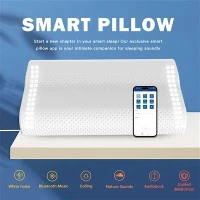



Morning wake-up routines for school-aged children are often characterized by resistance, emotional distress, and sluggish cognitive arousal. For parents, pediatric sleep specialists, and consumer wellness brands, gentle circadian waking technologies have emerged as a high-demand alternative to jarring acoustic alarms. Smart wake-up pillows-integrating gradual sunrise simulation, calming acoustic soundscapes, and gentle mechanical cues-represent the next evolution in sensory sleep technology.
However, parents and B2B buyers frequently ask: do smart wake-up pillows feature a dedicated child-friendly mode, how does pediatric circadian biology differ from adult waking needs, and what physical and electrical safety standards must these devices meet?
As an established OEM/ODM manufacturer specializing in precision electro-acoustics, circadian wellness appliances, and ergonomic sleep solutions, Gold Rose provides this comprehensive technical and commercial guide. Below, we examine the chronobiology of pediatric waking, child-calibrated light and sound parameters, strict international child safety compliance, and private-label hardware specifications.
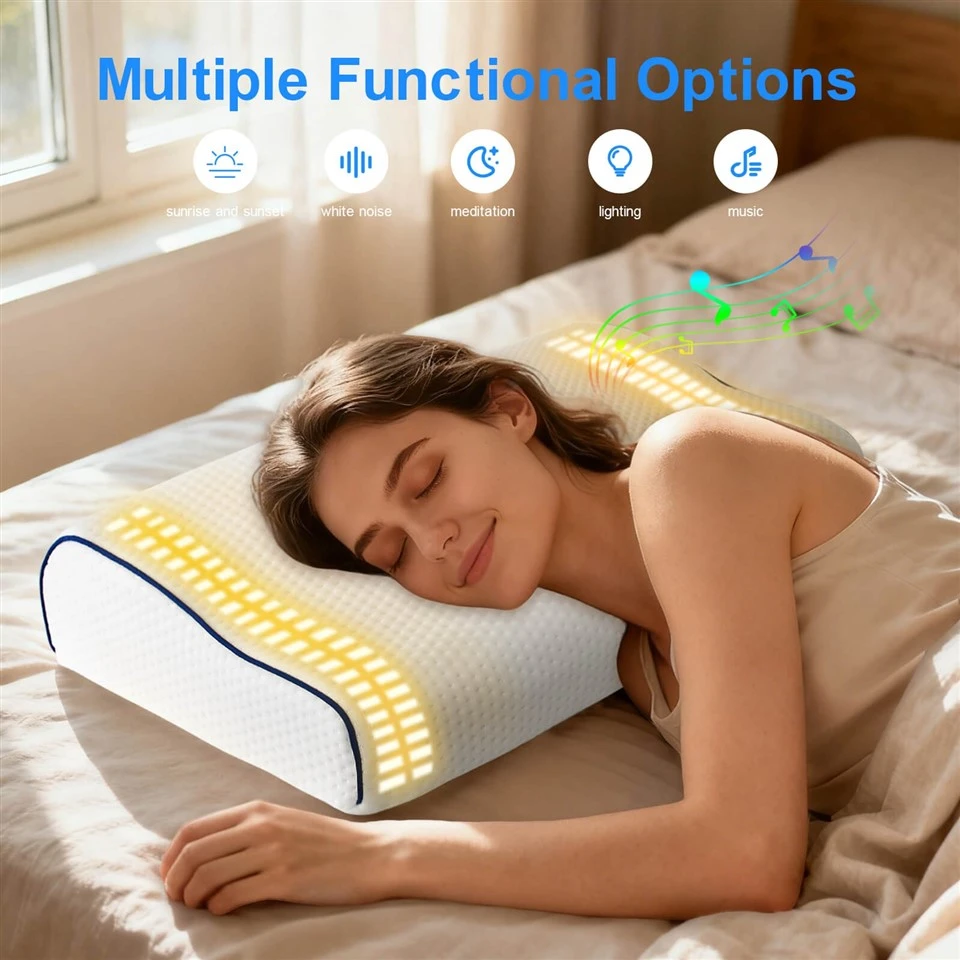
The Chronobiology of Pediatric Waking: Why Adult Alarms Fail Children
Deeper Slow-Wave Sleep and the Mechanics of Sleep Inertia
Children between the ages of 4 and 12 spend a significantly higher percentage of their total sleep duration in Stage 3 non-rapid eye movement (NREM) slow-wave sleep compared to adults. Waking a child abruptly during deep slow-wave sleep triggers severe sleep inertia, a neurophysiological state characterized by prolonged grogginess, disorientation, reduced motor dexterity, and heightened emotional dysregulation. Conventional acoustic alarm clocks that emit sudden, high-decibel tones shock the autonomic nervous system, provoking acute cortisol spikes and sympathetic fight-or-flight reactions that make morning cooperation nearly impossible.
Developing Circadian Photic Sensitivity in Growing Eyes
The optical anatomy of a developing child differs substantially from that of a mature adult. Pediatric crystalline lenses are substantially clearer and transmit up to twice as much short-wavelength light directly to the retina. High-lux white light sources designed for adult seasonal therapy (such as 10,000-lux desk panels) can cause intense ocular discomfort, reflex squinting, and pupillary constriction in children. A calibrated child-friendly mode must therefore utilize softer, warm-spectrum lux levels that stimulate circadian entrainment gently without overwhelming juvenile retinal photoreceptors.
Key Features of an Engineered Child-Friendly Mode
Dawn Simulation: Dynamic Sunrise Lux Curves
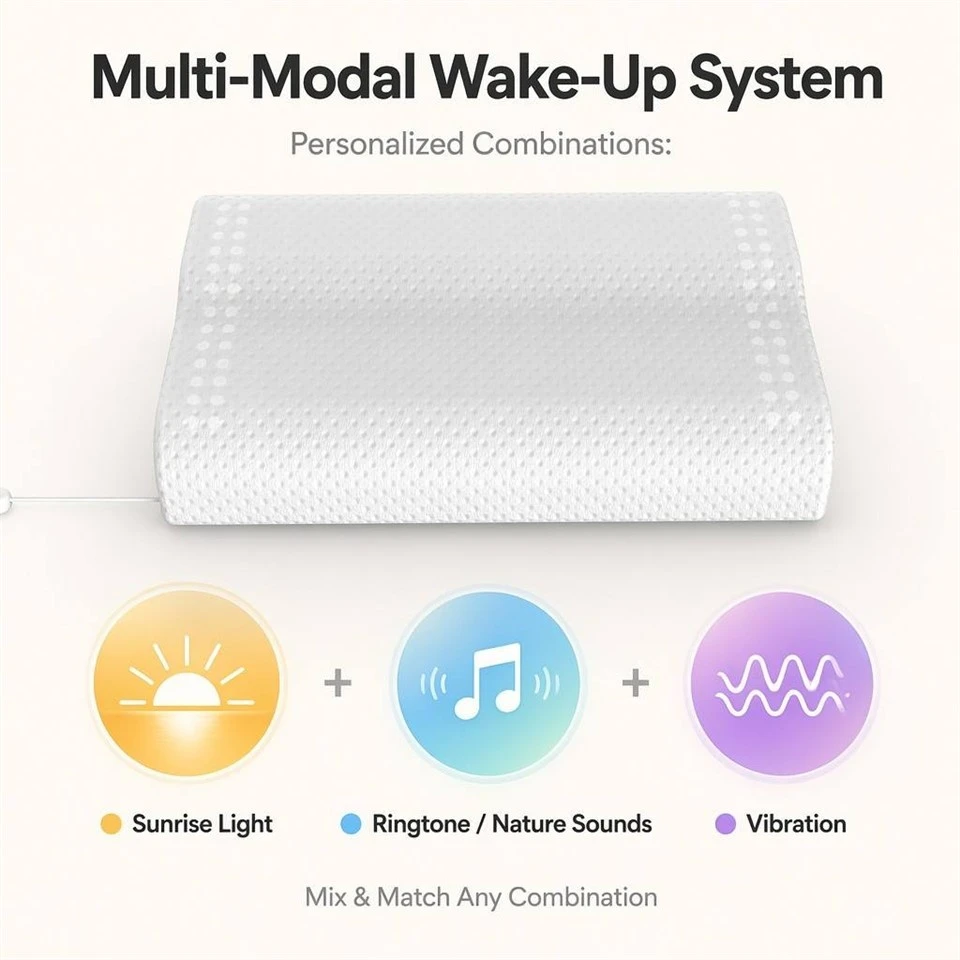
A genuine child-friendly mode replaces abrupt illumination with a biologically timed dawn simulation sequence lasting twenty to thirty minutes. In Gold Rose wake-up pillow platforms, the light engine initiates at a nearly imperceptible, warm amber glow (approximately 1,800K to 2,200K) at minimal illuminance. Over a controlled twenty-minute gradient, the internal optical diffuser gradually brightens to a warm daylight spectrum (approximately 3,000K to 3,500K) with a maximum focal delivery of 150 to 300 lux at pillow distance. This gradual light ingress penetrates closed eyelids, down-regulating pineal melatonin production and stimulating gentle cortisol synthesis naturally prior to physical awakening.
Child-Calibrated Acoustic Soundscapes and Decibel Caps
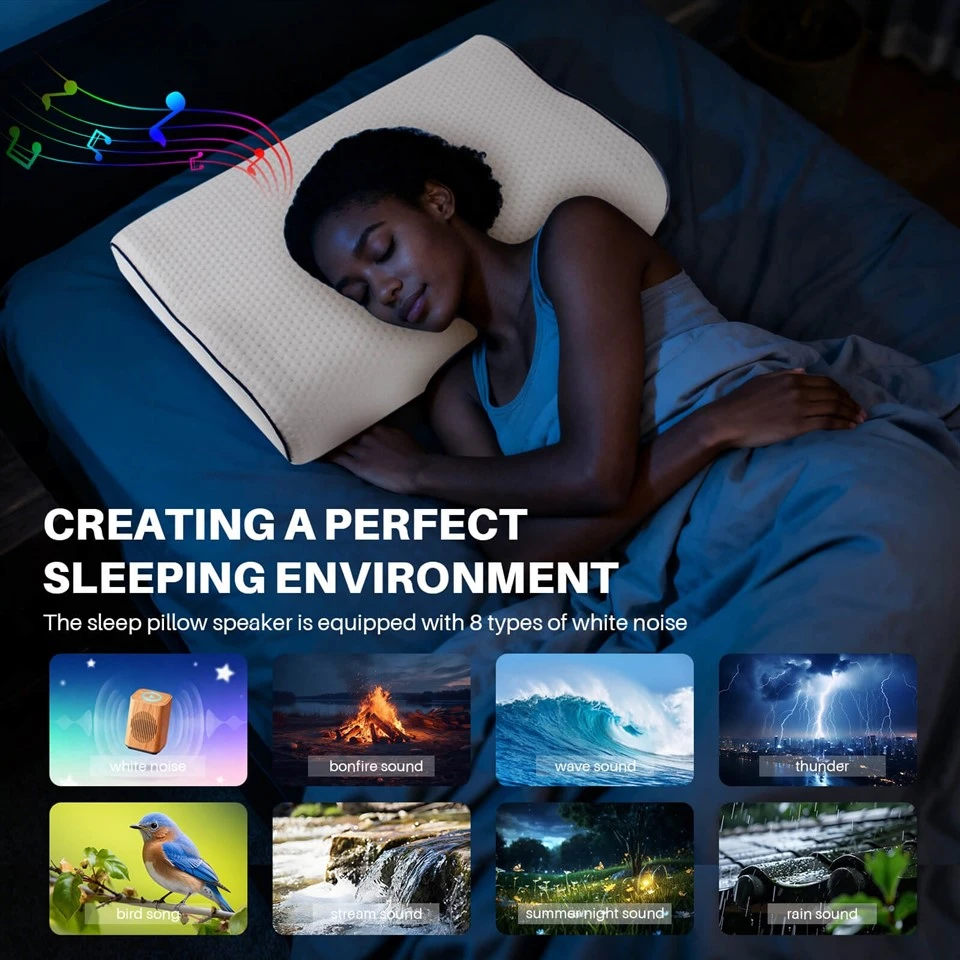
In adult wake-up modes, alarms often utilize high-frequency beeps or dynamic acoustic surges exceeding 70 to 80 dBA to force awakeness. In a child-friendly mode, the sound architecture relies on curated acoustic soundscapes-such as gentle forest birdsong, falling rain, soft piano chords, or harmonic wind chimes. Acoustic volume is restricted by an integrated decibel limiter capping output below 60 dBA at pillow surface distance. The acoustic track initiates at near-silence (25 dBA) and ramps up in stepped micro-increments over ten minutes, allowing the child to awaken calmly during lighter sleep stages.
Child Safety Engineering: Electrical, Material, and Mechanical Protocols
Low-Voltage DC Architecture and EMF Shielding
Placing electronic components in immediate proximity to a child's head requires stringent electrical safety standards. Gold Rose wake-up pillows operate on an ultra-low-voltage 5V DC power architecture, completely eliminating high-voltage AC mains exposure within the pillow core. Electronic sub-assemblies, including Bluetooth Low Energy (BLE) control modules, are isolated within multi-layer electromagnetic interference (EMI) shielding enclosures. All wireless transmission signals enter an automated micro-sleep mode while the child rests, ensuring zero active RF radiation during sleep hours.
Biocompatible Foams, Hypoallergenic Fabrics, and Anti-Choking Design
Materials utilized in pediatric sleep platforms must satisfy strict biological safety standards. Gold Rose utilizes certified CertiPUR-US high-density memory foam that is completely free from ozone depleters, PBDE flame retardants, formaldehyde, heavy metals, and phthalates. The removable outer casing is woven from OEKO-TEX Standard 100 Class I certified organic cotton and bamboo fiber, providing hypoallergenic breathability for sensitive juvenile skin. Furthermore, the pillow structure incorporates hidden, locking safety zippers and zero accessible small parts, completely eliminating mechanical choking hazards in accordance with global toy and nursery safety regulations.
Parental Control Architecture: Companion App and Scheduled Routines
Weekday School Routines vs. Weekend Sleep Budgets
Managing pediatric sleep requires consistency paired with developmental flexibility. Through dedicated companion mobile applications (compatible with iOS and Android), parents can configure individualized weekday and weekend wake-up profiles. For school mornings, the dawn simulation initiates thirty minutes before the desired wake time, paired with an interactive night-light sleep trainer function that glows soft red at night to signal sleep time and transitions to gentle yellow when it is acceptable to get out of bed. Weekend profiles can be programmed with later waking windows to protect essential pediatric recovery sleep without confusing the child's underlying circadian entrainment.
Ergonomic Pediatric Contouring and Cervical Support
A common limitation of repurposed adult pillows is inappropriate loft height. Adult smart pillows typically feature a 4-to-5-inch profile, which places excessive forward flexion on a child's delicate cervical spine. Gold Rose child-friendly smart pillows feature an ergonomic low-profile contour measuring 2.5 to 3.2 inches in thickness, engineered specifically to maintain neutral cervical alignment for children sleeping in supine or lateral positions. Multi-density foam layering provides responsive head cradling that dampens internal hardware tactile perception, ensuring the user feels only plush, cloud-like support.
Gold Rose OEM/ODM Engineering: Advanced Smart Sleep Platforms
As a specialized OEM/ODM manufacturer with extensive expertise in consumer health, acoustic engineering, and smart home wellness appliances, Gold Rose provides turnkey manufacturing solutions for private-label sleep brands and nursery technology retailers. Gold Rose smart wake-up pillows combine full-spectrum dawn simulation, soothing white-noise soundscapes, calibrated heating layers, and responsive sleep-tracking sensors within customizable form factors. Every unit is engineered to support seamless switching between standard adult waking modes and fully protected, decibel-capped child modes.
Operating under ISO 13485 medical-grade quality systems, Gold Rose ensures that all pediatric and family sleep platforms satisfy rigorous international compliance, including FCC, CE, RoHS, CPSIA (Consumer Product Safety Improvement Act), and ASTM F963 child safety mandates. Supported by in-house electronic R&D, advanced textile cut-and-sew facilities, and comprehensive packaging design capabilities, Gold Rose empowers global B2B clients to expand their portfolios with high-margin, clinically validated smart sleep appliances.
Frequently Asked Questions
Q1: Can a smart wake-up pillow replace a child's traditional loud alarm clock?
Yes, a smart wake-up pillow is significantly more effective than a traditional alarm clock because it uses gradual dawn simulation and incremental nature sounds to wake children during lighter sleep cycles. This non-invasive waking process eliminates morning startle responses, reduces sleep inertia, and fosters a cooperative morning routine.
Q2: Is the light emitted from a wake-up pillow safe for a child's eyes?
Yes, child-friendly wake-up pillows utilize warm, diffused LED panels that emit soft light between 150 and 300 lux, which is certified 100% UV-free and engineered without blue-light optical spikes. The gradual sunrise curve mimics natural dawn, allowing closed eyelids to register photic cues safely without causing glare or ocular strain.
Q3: Can a child accidentally change the alarm or volume settings from the pillow?
No, child-friendly wake-up platforms feature physical child-lock buttons and app-exclusive parental controls, preventing children from tampering with alarm times, sound choices, or brightness levels. All core scheduling and volume caps remain locked behind parent authentication on the mobile application.
Q4: Does Gold Rose manufacture custom OEM wake-up pillows with child-friendly settings?
Yes, Gold Rose provides full-service OEM/ODM manufacturing of smart wake-up pillows, offering custom foam densities, tailored sound libraries, pediatric safety certifications, and bespoke companion app interfaces. Global distributors and private-label wellness brands can review technical specifications and private-label programs directly through goldrosa.com.
Q5: What safety certifications should distributors verify when importing smart pillows for children?
Distributors must ensure child-oriented electronic pillows comply with CPSIA standards, ASTM toy safety guidelines, FCC electromagnetic radiation limits, and OEKO-TEX Standard 100 Class I textile safety certifications. Gold Rose maintains complete compliance documentation and accredited laboratory test reports across all manufactured family sleep devices.
References
American Academy of Pediatrics. (2023). Healthy Sleep Habits and Circadian Health in School-Aged Children. AAP Clinical Reports. https://www.healthychildren.org/English/healthy-living/sleep/Pages/default.aspx
National Sleep Foundation. (2022). Pediatric Sleep Architecture, Slow-Wave Sleep, and the Management of Sleep Inertia. Sleep Health Journal.
International Electrotechnical Commission. (2020). IEC 62471: Photobiological Safety of Lamps and Lamp Systems for Domestic and Pediatric Environments. IEC Standards.
Consumer Product Safety Commission. (2023). Consumer Product Safety Improvement Act (CPSIA) Regulatory Guidelines for Children's Electronic and Bedding Products. U.S. CPSC. https://www.cpsc.gov/
Gold Rose. Smart Wellness Appliances and OEM/ODM Sleep Technology Platforms. https://www.goldrosa.com/smart-pillows/