


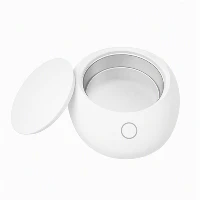
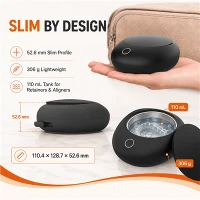


Maintaining oral hygiene while undergoing orthodontic treatment is no longer a chore, thanks to modern technology. Whether you are using clear aligners like Invisalign or traditional metal retainers, the challenge of plaque buildup and bacterial growth remains constant. As an expert in the dental manufacturing industry, I have observed a recurring question from both professional distributors and end consumers: should you choose a 5-minute or a 10-minute cycle for your Ultrasonic Retainer Cleaner? Understanding the technical nuances of these cycles is essential for maximizing the lifespan of your dental pods and ensuring your oral health is never compromised.
The Science of Speed: Why Cleaning Time Matters for Oral Appliances
The effectiveness of any Aligner Cleaning Machine lies in its ability to generate high-frequency sound waves that create microscopic bubbles. This process, known as cavitation, is the primary mechanism that removes debris from the hard-to-reach crevices of your orthodontic devices. However, the duration of this exposure is a critical variable that determines the balance between thorough disinfection and the preservation of delicate materials.
Understanding Ultrasonic Cavitation Technology
Ultrasonic cavitation occurs when sound waves at frequencies typically around 42,000Hz travel through a cleaning solution. These waves create alternating high and low-pressure cycles, resulting in the formation and violent collapse of millions of microscopic bubbles. This implosion releases significant energy that physically displaces plaque, tartar, and food particles without the need for abrasive scrubbing. For a standard Ultrasonic Retainer Cleaner, the frequency is calibrated to be powerful enough for deep cleaning yet gentle enough for medical-grade plastics used in modern aligners.
The Trade-off Between Efficiency and Material Integrity
Choosing between a 5-minute and a 10-minute cycle requires an understanding of how prolonged exposure affects different materials. While 10 minutes provides a more exhaustive cleaning action, it also generates a small amount of heat through molecular friction. Most high-quality aligners are made of thermoplastic materials that can theoretically warp if exposed to excessive heat over long periods. Professional-grade devices like those from GoldRosa incorporate advanced cooling technologies to mitigate this risk, ensuring that even a 10-minute deep clean remains safe for your precious orthodontic investment.

5 Minutes vs. 10 Minutes: A Comparative Analysis
When you are rushing in the morning, time is of the essence. Conversely, at the end of a long week, your aligners might require a more rigorous sanitation protocol. The choice of cycle should depend on the current state of your dental appliance and the specific goal of that cleaning session.
When a 5-Minute Cycle Is Sufficient
A 5-minute cycle is the industry standard for daily maintenance and is ideal for users who clean their aligners every time they take them out to eat. This duration is perfectly suited for removing fresh saliva, loose food particles, and the initial film of plaque that forms within a few hours of wear. Using a Portable Ultrasonic Cleaner for 5 minutes after lunch ensures your aligners remain clear and odor-free throughout the day. It is an efficient, low-stress routine that prevents the accumulation of stubborn debris that eventually turns into hard tartar.
The Case for a 10-Minute Deep Clean
There are scenarios where a 5-minute blast simply isn't enough to achieve the desired level of hygiene. If you have neglected your aligners for a day or if you notice visible white spots-which are often mineral deposits known as calculus-a 10-minute cycle is necessary. This extended duration allows the cavitation bubbles to penetrate deeper into the porous surfaces of the plastic, breaking down hardened stains that have bonded to the material. For those using an Ultrasonic Denture Cleaner mode, the 10-minute cycle is the recommended setting to handle the heavier acrylics found in prosthetic teeth.
Impact of Cleaning Solution Concentration
The chemical synergy between your cleaning tablets and the ultrasonic waves is amplified by time. Most cleaning effervescent tablets require at least 3 minutes to fully dissolve and activate their antimicrobial agents. By running a 10-minute cycle, you ensure that the aligners are submerged in a fully potent solution for a longer period, allowing the oxygenating bubbles to work in tandem with the ultrasonic energy. This dual-action approach is the most effective way to eliminate 99.9% of common oral bacteria, such as Streptococcus mutans, which can cause cavities and gum disease.

Essential Features of a Premium Aligner Cleaning Machine
Not all cleaning devices are created equal, and the market is flooded with generic dental pods that may lack the durability required for long-term use. When selecting an Orthodontic Cleaning Device, professional buyers look for specific technical benchmarks that guarantee both performance and safety.
The Role of UV Sterilization in Modern Devices
While ultrasonic waves are excellent for physical debris removal, they are not always sufficient for complete biological sterilization. The best modern units, categorized as UV Ultrasonic Cleaners, integrate UVC light tubes into the cleaning chamber. These lights emit a specific wavelength that disrupts the DNA of bacteria and viruses, effectively killing them within minutes. By combining a 5-minute ultrasonic cycle with simultaneous UV exposure, you achieve a level of sanitation that far exceeds traditional soaking methods, providing peace of mind for health-conscious users.
Portability and Power Source Considerations
For the modern professional, a Portable Ultrasonic Cleaner must fit seamlessly into a busy lifestyle. This means looking for devices that offer long battery life and Type-C charging compatibility. The ability to perform a 5-minute quick clean at the office without hunting for a power outlet is a significant value proposition. High-end models now offer up to 4000MAH Battery, making them indispensable tools for anyone committed to their orthodontic treatment plan. Such US600 model in Gold Rose Tech.,
Tank Capacity and Material Quality
The internal tank of your Aligner Cleaning Machine should be constructed from medical-grade 304 stainless steel to prevent corrosion. Capacity is also vital; a tank that is too small might not accommodate larger dentures or multiple retainers at once. A well-designed tank also facilitates the optimal distribution of ultrasonic waves, ensuring that no "dead spots" exist where debris could remain untouched. Investing in a device with a high-quality tank ensures longevity and consistent cleaning results for years to come.

Top Recommendations for 2026: The Best Devices Reviewed
As we look toward the innovations of 2026, several products stand out for their ability to deliver professional-grade results. We have analyzed the leading models based on their cleaning cycle options and auxiliary features like UV light integration.
GoldRosa US200 Cleaner - Best Overall ★
The GoldRosa US200 is the definitive choice for professionals seeking the ultimate Dental Pod. It features a sophisticated dual-mode system that allows users to toggle between a 5-minute maintenance cycle and a 10-minute intensive deep clean. With its high-frequency 42kHz transducer and integrated UV-C sterilization, it addresses both physical and biological hygiene needs. Its medical-grade stainless steel tank is designed to handle everything from thin aligners to heavy-duty dentures.
GoldRosa Sensitive Series - Best for Delicate Aligners
For users who prioritize material longevity, the GoldRosa Sensitive Series offers a specialized approach. This device uses a slightly lower frequency of 30,000Hz combined with a pulse-cleaning algorithm that mimics the thoroughness of a 10-minute soak without the thermal intensity. It is the perfect Sonic Braces Cleaner for those who find standard ultrasonic units too aggressive. The build quality reflects GoldRosa's commitment to medical-grade standards, providing a gentle yet effective solution for daily orthodontic care. Its compact design and whisper-quiet operation make it a favorite for bedside use.
Dental Pod Standard - A Reliable Baseline
The Dental Pod Standard remains a popular entry-level choice for many new Invisalign users. It typically offers a fixed 5-minute cycle that is reliable for daily use but lacks the versatility of a 10-minute deep cleaning mode. While it does not include the advanced UV features or the massive battery capacity found in the GoldRosa models, it provides a consistent 42kHz frequency that gets the job done for basic maintenance. It serves as a good benchmark for what a functional Aligner Cleaning Machine should be.
Expert Tips for Optimizing Your Orthodontic Cleaning Routine
To get the most out of your Ultrasonic Retainer Cleaner, you should integrate it into a comprehensive daily routine. Simply dropping your aligners into the machine is a great start, but a few professional tips can elevate your hygiene to a clinical level.
Pre-rinsing vs. Ultrasonic Immersion
Before placing your aligners into your Dental Pod, it is crucial to perform a quick manual rinse under lukewarm water. This removes the bulk of loose saliva, allowing the ultrasonic energy to focus on the microscopic layers of biofilm and stubborn deposits. Think of it as a "pre-wash" that significantly increases the efficiency of both the 5-minute and 10-minute cycles. Never use boiling water for this step, as it can permanently warp the thermoplastic material of your aligners.
Frequency of Deep Cleaning Cycles
While a 5-minute daily cycle keeps your retainers looking clear, we recommend performing at least one 10-minute deep clean per week. This longer cycle, ideally paired with a fresh cleaning tablet, ensures that any sub-microscopic buildup is thoroughly disintegrated. If you are an active traveler using a Portable Ultrasonic Cleaner, make this deep clean a part of your Sunday evening routine to start the week with a fresh, sterile appliance. Consistent maintenance is the key to preventing the "cloudy" appearance that often plagues retainer users.

FAQs
Q1: Can I use an ultrasonic retainer cleaner for more than 10 minutes?
A: It is generally not recommended to run consecutive cycles exceeding 10 minutes as it can lead to heat buildup in the water. Devices like the GoldRosa US200 are engineered with safety timers to prevent overheating and protect your aligners' structural integrity. If deep cleaning is required, it is better to use a cleaning tablet during a single 10-minute cycle rather than multiple shorter ones without solution.
Q2: Is a 5-minute cycle enough to kill all oral bacteria?
A: A 5-minute ultrasonic cycle is excellent for physical debris, but for complete biological safety, you should use a UV Ultrasonic Cleaner. By combining ultrasonic vibration with UVC light, GoldRosa devices can eliminate 99.9% of bacteria within a standard cycle, providing a level of sanitation that vibration alone cannot achieve.
Q3: How often should I replace the water in my Aligner Cleaning Machine?
A: You should replace the water and cleaning solution after every single use. Reusing the water means you are essentially vibrating your aligners in a bath of bacteria and debris removed from the previous cycle. To maintain the hygiene standards of a professional Mouth Guard Cleaner, always start with fresh, clean water.
Q4: Will a 10-minute cycle damage my 3D-printed aligners?
A: Modern 3D-printed resins are quite durable, but they can be sensitive to thermal changes. As long as you use a high-quality Orthodontic Cleaning Device that operates at stable frequencies and does not overheat the water, a 10-minute cycle is perfectly safe. GoldRosa's Sensitive Series is particularly recommended for these advanced materials.
References
1. *GoldRosa Technology Co., Ltd. Product Engineering and Technical Specifications (2025).* [https://www.goldrosa.com/](https://www.goldrosa.com/)
2. *Clinical Study on the Efficacy of Ultrasonic Cavitation in Biofilm Removal from Orthodontic Thermoplastics (Journal of Dental Research, 2024).*
3. *American Association of Orthodontists (AAO) Best Practices for Clear Aligner Maintenance.*
4. *Comparison of UV-C Light and Ultrasonic Vibration for Disinfection of Dental Prosthetics (International Journal of Prosthodontics).*
5. *Orthodontic Material Science: Thermal Stability of Clear Aligner Polymers (Polymer Engineering Reviews).*