



As industries continue to pursue higher standards of cleanliness, efficiency, and precision, traditional cleaning methods are no longer sufficient for many professional applications. From dental appliances and jewelry to electronic components and medical instruments, businesses need cleaning solutions that are effective, safe, and easy to operate.
This growing demand has led to the widespread adoption of ultrasonic cleaning technology. By utilizing high-frequency sound waves to remove contaminants from surfaces, ultrasonic cleaners provide a deep-cleaning solution that reaches areas conventional cleaning methods often miss.
Whether you are a distributor, importer, brand owner, or retailer looking for your next high-demand product, understanding how ultrasonic cleaners work and how to select the right model can help you make informed purchasing decisions.

Why Ultrasonic Cleaners Are Becoming Essential Across Industries
Ultrasonic cleaning technology has evolved from an industrial tool into a versatile solution used across healthcare, personal care, electronics, automotive, and manufacturing sectors.
Today, consumers and businesses alike are placing greater emphasis on hygiene, convenience, and product maintenance. As a result, the demand for a household ultrasonic cleaner has increased significantly in recent years.
For businesses, ultrasonic cleaning products offer several advantages. They are easy to use, suitable for multiple applications, and align with modern consumer expectations for efficient and technology-driven cleaning solutions.
Growing Demand for Personal Hygiene Products
The increasing awareness of personal hygiene has created strong demand for products that help consumers maintain dental appliances, retainers, jewelry, glasses, and personal accessories. An ultrasonic cleaner machine allows users to clean these items quickly and conveniently at home, making it an attractive product category for retailers and distributors.
Expansion Beyond Industrial Applications
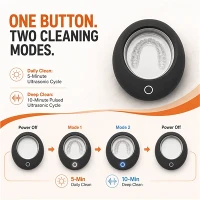
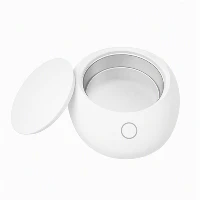
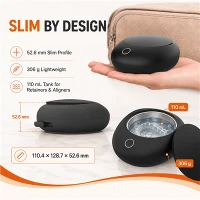
While ultrasonic cleaning was originally used in industrial environments, modern compact designs have expanded its application into homes and small businesses. Today's portable ultrasonic cleaner models combine professional cleaning performance with user-friendly operation, opening new opportunities for brands targeting consumer markets.
Long-Term Market Potential
As consumers seek smarter cleaning solutions, ultrasonic cleaning technology continues to gain popularity. Products that offer convenience, efficiency, and ease of maintenance often generate repeat purchases and positive customer feedback, making them valuable additions to product portfolios.
How Ultrasonic Cleaning Technology Works
At the core of every ultrasonic cleaner is a scientific process known as cavitation. This process allows ultrasonic cleaners to remove contaminants from surfaces without the need for aggressive scrubbing or harsh cleaning methods.
The Science Behind Cavitation
When an ultrasonic cleaning device generates high-frequency sound waves inside a liquid, millions of microscopic bubbles form throughout the cleaning solution. These bubbles rapidly expand and collapse.
When the bubbles implode near the surface of an object, they release small bursts of energy that loosen and remove dirt, oils, and contaminants. This process occurs thousands of times per second, creating a highly effective cleaning action at the microscopic level.
Why Ultrasonic Waves Reach Hidden Areas
One of the biggest advantages of ultrasonic cleaning is its ability to reach places that brushes and cloths cannot access.
The cleaning action occurs throughout the liquid, allowing microscopic bubbles to penetrate narrow gaps, crevices, corners, and complex geometries. This makes ultrasonic technology particularly effective for cleaning detailed components and delicate surfaces.
The Role of Frequency and Power
The performance of an ultrasonic cleaner depends largely on its operating frequency and power output.
Lower frequencies typically generate larger cavitation bubbles and are suitable for removing heavy contamination. Higher frequencies create smaller bubbles that provide more gentle cleaning for delicate items.
Selecting the right balance between frequency and power helps ensure effective cleaning while protecting the integrity of the cleaned object.

Key Advantages of Ultrasonic Cleaners
Ultrasonic cleaning technology offers several advantages compared to traditional cleaning methods, making it an increasingly popular choice across industries.
Deep Cleaning Without Surface Damage
Unlike abrasive cleaning techniques, ultrasonic cleaning removes contaminants without scratching or altering surfaces. This makes it ideal for delicate materials, precision instruments, and valuable products.
For businesses dealing with sensitive products, maintaining product appearance and functionality is essential. Ultrasonic cleaning provides a safe and reliable solution.
Improved Efficiency and Productivity
An ultrasonic cleaning system can clean multiple items simultaneously, reducing labor requirements and saving valuable time.
Instead of manually scrubbing each item, users simply place objects into the tank, start the cleaning cycle, and allow the machine to perform the work. This streamlined process improves operational efficiency and reduces overall cleaning costs.
Environmentally Responsible Cleaning
Sustainability has become an important consideration for both businesses and consumers.
Compared with many traditional cleaning methods, ultrasonic cleaning often requires less water and milder cleaning agents. This helps reduce chemical consumption and supports environmentally responsible business practices.
Enhanced User Safety
Because ultrasonic cleaners minimize direct contact with cleaning chemicals and reduce manual cleaning tasks, they contribute to a safer workplace environment.
This benefit is particularly valuable in industries where employee safety and regulatory compliance are top priorities.
Common Applications of Ultrasonic Cleaning
One of the reasons ultrasonic cleaners continue to grow in popularity is their versatility. A single device can serve multiple industries and customer groups.
Dental and Healthcare Equipment
Dental clinics, laboratories, and healthcare facilities frequently use ultrasonic cleaning technology to remove debris from instruments and accessories.
Many consumers also use a dental ultrasonic cleaner to maintain retainers, aligners, dentures, mouth guards, and other oral appliances as part of their daily hygiene routine.
Jewelry and Personal Accessories
Jewelry stores and consumers rely on ultrasonic cleaners to restore the appearance of rings, necklaces, bracelets, and watches.
The cleaning process effectively removes oils and dirt from hard-to-reach areas while helping preserve the original finish of valuable pieces.
Electronics and Precision Components
Electronic components often contain intricate structures that are difficult to clean manually.
Ultrasonic cleaning can remove contaminants from circuit boards, connectors, and precision parts while minimizing the risk of mechanical damage.
Automotive and Industrial Parts
Automotive repair shops and manufacturers use ultrasonic cleaners to remove grease, carbon deposits, and residues from engine components, injectors, carburetors, and mechanical parts.
The technology improves cleaning consistency and helps maintain component performance.

How to Choose the Right Ultrasonic Cleaner for Your Business
Selecting the right ultrasonic cleaner involves more than simply comparing prices. Understanding your target market and application requirements is essential for making the right investment.
Determine the Intended Application
Different customers require different cleaning capabilities.
A consumer-focused ultrasonic cleaner for jewelry may prioritize compact size and ease of use, while industrial users may require larger tanks and higher power levels. Identifying the primary application helps narrow the selection process.
Evaluate Tank Capacity
Tank size directly affects the types and quantities of items that can be cleaned.
Businesses should consider whether the cleaner will be used for small personal accessories, dental appliances, electronic parts, or larger industrial components. Choosing the appropriate tank capacity improves usability and customer satisfaction.
Consider Product Features
Modern ultrasonic cleaners often include advanced features such as digital timers, multiple cleaning modes, heating functions, and UV-assisted hygiene maintenance.
Products that combine ultrasonic cleaning with additional value-added features can create stronger market differentiation and increase perceived value.
Partner with an Experienced Manufacturer
Product quality and supply reliability are critical for long-term business success.
Working with an experienced manufacturer ensures access to quality control systems, product development expertise, and customization services that support brand growth.

Why Partner with Gold Rose Technology
Founded in 2017, Huizhou Gold Rose Technology Co., Ltd. is one of China's pioneering manufacturers specializing in household ultrasonic cleaning products and personal care devices.
The company integrates research and development, manufacturing, quality control, and global sales to provide complete OEM and ODM solutions for international customers.
Gold Rose's product portfolio includes ultrasonic cleaners, water flossers, sterilization devices, hearing protection products, light therapy lamps, ergonomic pillows, and personal care equipment.
With years of innovation and manufacturing experience, Gold Rose supports customers through:
- OEM and ODM customization services
- Logo printing and packaging design
- Product appearance customization
- Stable production capacity
- Strict quality control procedures
- International compliance support
- Professional after-sales service
Every ultrasonic cleaner undergoes comprehensive testing to ensure reliable performance, durability, and consistency before shipment.
For distributors, wholesalers, importers, and brand owners seeking a trusted manufacturing partner, Gold Rose provides the expertise and flexibility needed to compete in today's growing ultrasonic cleaning market.
Conclusion
Ultrasonic cleaning technology has transformed the way businesses and consumers approach cleaning. By leveraging the power of cavitation, ultrasonic cleaners deliver efficient, non-abrasive, and highly effective cleaning performance across a wide range of applications.
From dental appliances and jewelry to electronics and industrial components, ultrasonic cleaners offer significant advantages in terms of cleaning quality, efficiency, safety, and environmental responsibility.
As demand for smart cleaning solutions continues to grow worldwide, businesses that invest in high-quality ultrasonic cleaning products can benefit from strong market opportunities and increasing consumer interest.
Partnering with an experienced manufacturer like Gold Rose Technology can help ensure product quality, customization flexibility, and long-term business success.
FAQs
1. What items can be cleaned using an ultrasonic cleaner?
Ultrasonic cleaners are commonly used for jewelry, eyeglasses, watches, retainers, dentures, dental appliances, electronic components, metal tools, and automotive parts.
2. Are ultrasonic cleaners safe for delicate items?
Yes. When the appropriate frequency and cleaning settings are used, ultrasonic cleaners provide a gentle cleaning process that helps protect delicate surfaces and precision components.
3. How does cavitation remove dirt?
Cavitation occurs when ultrasonic sound waves create microscopic bubbles that rapidly collapse in the cleaning solution. These tiny implosions help dislodge dirt, oil, and contaminants from surfaces.
4. What frequency is best for ultrasonic cleaning?
Lower frequencies are generally used for heavily contaminated objects, while higher frequencies are better suited for delicate and precision items. The ideal frequency depends on the application.
5. Why should I choose an OEM ultrasonic cleaner manufacturer?
An experienced OEM manufacturer can provide product customization, quality assurance, packaging support, and scalable production capacity, helping brands launch and grow more efficiently.
References
American Society for Nondestructive Testing (ASNT) – Fundamentals of Ultrasonic Technology.
The Cleaning Technologies Group – Ultrasonic Cleaning Principles and Applications.
Industrial Cleaning Magazine – Advances in Ultrasonic Cleaning Systems.
International Journal of Advanced Manufacturing Technology – Cavitation-Based Cleaning Research.
Ultrasonic Industry Association – Best Practices for Ultrasonic Cleaning Equipment.
If you are interested in purchasing household ultrasonic cleaners or exploring OEM/ODM ultrasonic cleaning solutions, feel free to contact us for more product details.
Our team will respond promptly to your inquiry and provide the best solution tailored to your needs.