



In today's manufacturing and healthcare industries, cleanliness is no longer just a quality requirement-it has become a critical factor that directly impacts product performance, patient safety, equipment lifespan, and operational efficiency. As industries demand increasingly precise cleaning standards, ultrasonic cleaning technology has emerged as one of the most effective and reliable cleaning solutions available.
From delicate medical instruments and dental appliances to complex automotive components and electronic parts, ultrasonic technology has transformed the way contaminants are removed from surfaces. However, not all ultrasonic systems operate in the same way. Fixed frequency, frequency tracking, and sweep frequency technologies each offer distinct advantages depending on the application.
Understanding these technologies helps businesses choose the most effective cleaning solution while maximizing efficiency and return on investment.
Understanding the Science Behind Ultrasonic Cleaning Technology
Before comparing different ultrasonic technologies, it is important to understand the fundamental principle that powers every ultrasonic cleaner.
How Cavitation Creates Powerful Cleaning Action
Ultrasonic cleaning relies on high-frequency sound waves transmitted through a liquid cleaning solution. As these sound waves travel through the liquid, they create millions of microscopic bubbles.
These bubbles rapidly expand and collapse in a process known as cavitation. When the bubbles implode, they release microscopic energy bursts capable of removing dirt, grease, biological residues, polishing compounds, and other contaminants from surfaces.
Unlike manual scrubbing, cavitation reaches tiny crevices and hidden areas that are difficult or impossible to clean by hand.
Why Ultrasonic Cleaning Is More Effective Than Traditional Methods
Traditional cleaning methods often rely on brushes, chemicals, or pressure washing. While these approaches can remove visible contaminants, they frequently fail to clean complex geometries thoroughly.
Ultrasonic cleaning penetrates deep into narrow channels, microscopic holes, and intricate structures without damaging sensitive materials. This makes it ideal for precision industries where cleanliness standards are exceptionally high.
Applications Across Multiple Industries
Today, ultrasonic technology is used in healthcare, dentistry, electronics manufacturing, jewelry processing, laboratory environments, automotive production, and aerospace engineering.
As cleaning requirements continue to evolve, ultrasonic systems are becoming increasingly sophisticated to meet industry-specific demands.

Fixed Frequency Ultrasonic Cleaning: The Proven Industry Standard
Fixed frequency technology remains the most widely adopted ultrasonic cleaning solution worldwide.
How Fixed Frequency Systems Operate
A fixed frequency ultrasonic cleaner generates sound waves at a constant frequency, typically around 40kHz. This stable output creates a consistent cavitation environment within the cleaning tank.
Because the frequency remains unchanged throughout operation, the system offers reliable and predictable cleaning performance.
Advantages of Fixed Frequency Technology
The simplicity of fixed frequency systems makes them cost-effective, durable, and easy to maintain. These systems are highly effective for cleaning items with relatively simple structures and consistent contamination levels.
Applications commonly include eyewear, jewelry, watchbands, and household items.
A jewelry ultrasonic cleaner using fixed frequency technology can efficiently remove oils, dust, and residue while maintaining gentle treatment of delicate surfaces.
Limitations of Fixed Frequency Cleaning
Despite its reliability, fixed frequency cleaning may create standing wave patterns within the tank. These patterns can result in uneven energy distribution, producing cleaning zones with varying intensity.
For complex components containing intricate internal structures, this may lead to inconsistent cleaning performance.
Frequency Tracking Technology: Intelligent Adaptation for Better Results
As cleaning applications became more complex, engineers developed frequency tracking technology to address the limitations of fixed frequency systems.
Real-Time Frequency Adjustment
Unlike fixed frequency systems, frequency tracking technology continuously monitors cleaning conditions inside the tank.
The system automatically adjusts ultrasonic output based on factors such as load size, liquid level, contamination density, and object geometry.
This adaptive capability helps maintain optimal cavitation performance throughout the cleaning cycle.
Improved Cleaning Consistency
By dynamically adjusting frequency, the system ensures more uniform energy distribution across the cleaning chamber.
This results in better cleaning consistency and improved contaminant removal compared to traditional fixed-frequency equipment.
A dental ultrasonic cleaner often benefits from frequency tracking technology because dental instruments vary significantly in shape, size, and contamination levels.
Enhanced Energy Efficiency and Equipment Longevity
Because the system only delivers the energy required for current cleaning conditions, frequency tracking technology can reduce unnecessary power consumption.
This intelligent operation not only improves efficiency but may also reduce component wear, contributing to longer equipment service life.

Sweep Frequency Technology: Eliminating Cleaning Blind Spots
For industries requiring the highest levels of cleanliness, sweep frequency technology offers a significant advancement.
How Sweep Frequency Systems Work
Instead of maintaining a single operating frequency, sweep frequency systems continuously oscillate within a narrow frequency range.
For example, a system centered at 40kHz may continuously sweep between 38kHz and 42kHz during operation.
This constant variation prevents the formation of standing waves and promotes more uniform cavitation distribution.
Superior Cleaning Coverage
Because cavitation energy reaches more areas within the cleaning tank, sweep frequency technology minimizes the risk of cleaning dead zones.
This is especially important when cleaning parts with deep holes, complex channels, microstructures, or irregular geometries.
An industrial ultrasonic cleaning machine equipped with sweep frequency technology can achieve exceptional cleaning coverage for precision-engineered components.
Ideal Applications for High-Precision Industries
Sweep frequency systems are commonly used in aerospace manufacturing, semiconductor production, precision machining, optical lens processing, and advanced medical device manufacturing.
Their ability to deliver highly uniform cleaning makes them indispensable in environments where even microscopic contamination can affect product performance.
Choosing the Right Ultrasonic Cleaning Technology for Your Business
Selecting the appropriate technology depends on your specific cleaning requirements, production volume, and cleanliness standards.
When Fixed Frequency Is the Best Choice
Businesses cleaning standardized products with relatively simple geometries often benefit from fixed frequency systems.
For example, a retainer cleaner designed for home oral care applications may use fixed frequency technology to provide reliable daily cleaning at an affordable cost.
When Frequency Tracking Offers Greater Value
Facilities processing diverse products or varying contamination levels may achieve better results with frequency tracking systems.
Laboratories, dental clinics, and electronics manufacturers often benefit from the flexibility and adaptability of this technology.
When Sweep Frequency Delivers Maximum Performance
Industries requiring ultra-high cleanliness standards should consider sweep frequency systems.
Although these systems typically involve higher initial investment, they provide unmatched cleaning uniformity and superior long-term value for precision applications.
The Future of Ultrasonic Cleaning Technology
The ultrasonic cleaning industry continues to evolve rapidly as manufacturers seek greater efficiency, automation, and cleaning precision.
Integration of Smart Control Systems
Modern ultrasonic equipment increasingly incorporates intelligent monitoring systems, digital controls, and automated process management.
These technologies allow operators to optimize cleaning performance while reducing human intervention.
Hybrid Cleaning Technologies Are Emerging
Industry experts predict that future systems will combine the adaptive intelligence of frequency tracking with the comprehensive coverage of sweep frequency technology.
These hybrid systems will offer unprecedented flexibility and performance across diverse cleaning environments.
Growing Demand Across Healthcare and Consumer Markets
The demand for advanced ultrasonic solutions is expanding beyond industrial environments.
Products such as dental ultrasonic cleaner systems, ultrasonic retainer cleaners, and portable jewelry ultrasonic cleaner devices are becoming increasingly popular among consumers seeking professional-level cleaning at home.
This trend is creating significant opportunities for OEM and ODM manufacturers serving global healthcare and personal care markets.

Why Gold Rose Is Investing in Advanced Ultrasonic Cleaning Innovation
At Gold Rose Technology, we recognize that cleaning technology plays a critical role in modern healthcare and personal wellness products.
Our R&D team continuously explores innovative ultrasonic technologies to improve cleaning effectiveness, user experience, and product reliability.
From ultrasonic cleaners for dental appliances to professional healthcare cleaning solutions, we focus on delivering products that meet the evolving needs of distributors, retailers, clinics, and consumers worldwide.
Through OEM and ODM services, we help global partners develop differentiated products that combine advanced technology with exceptional quality.
Conclusion
Ultrasonic cleaning technology has evolved far beyond simple fixed-frequency systems. Today, businesses can choose from fixed frequency, frequency tracking, and sweep frequency technologies depending on their cleaning objectives and operational requirements.
Fixed frequency systems provide reliability and affordability. Frequency tracking introduces intelligent adaptation and efficiency. Sweep frequency technology delivers the highest level of cleaning uniformity and precision.
As industries continue to demand higher cleanliness standards, selecting the right ultrasonic technology has become a strategic decision that directly impacts product quality, operational efficiency, and customer satisfaction.
For manufacturers, healthcare providers, laboratories, and distributors, understanding these technologies is the first step toward achieving superior cleaning performance and long-term business success.
FAQs
1. What is the difference between fixed frequency and sweep frequency ultrasonic cleaning?
Fixed frequency systems operate at one constant frequency, while sweep frequency systems continuously vary frequency within a range to eliminate standing waves and improve cleaning uniformity.
2. Which ultrasonic technology is best for dental instruments?
Frequency tracking and sweep frequency technologies are often preferred for dental instruments because they provide more consistent cleaning across complex tool geometries.
3. Why does cavitation matter in ultrasonic cleaning?
Cavitation creates microscopic bubbles that remove contaminants from surfaces, including hard-to-reach areas that traditional cleaning methods cannot effectively access.
4. Is sweep frequency technology worth the higher investment?
For precision industries requiring extremely high cleanliness standards, sweep frequency technology often delivers superior long-term value through improved cleaning consistency.
5. Can ultrasonic cleaning damage delicate components?
When properly configured, ultrasonic cleaning is safe for most precision components and provides gentle yet highly effective cleaning.
References
Ultrasonic Industry Association (UIA) – Fundamentals of Ultrasonic Cleaning Technology.
Journal of Manufacturing Processes – Advances in Cavitation-Based Cleaning Systems.
American Dental Association (ADA) – Cleaning and Maintenance of Dental Instruments.
International Organization for Standardization (ISO) – Medical Device Cleaning Standards.
Journal of Applied Acoustics – Frequency Tracking and Sweep Frequency Performance Studies.
Ultrasonic cleaner items
Choose the one suit you best
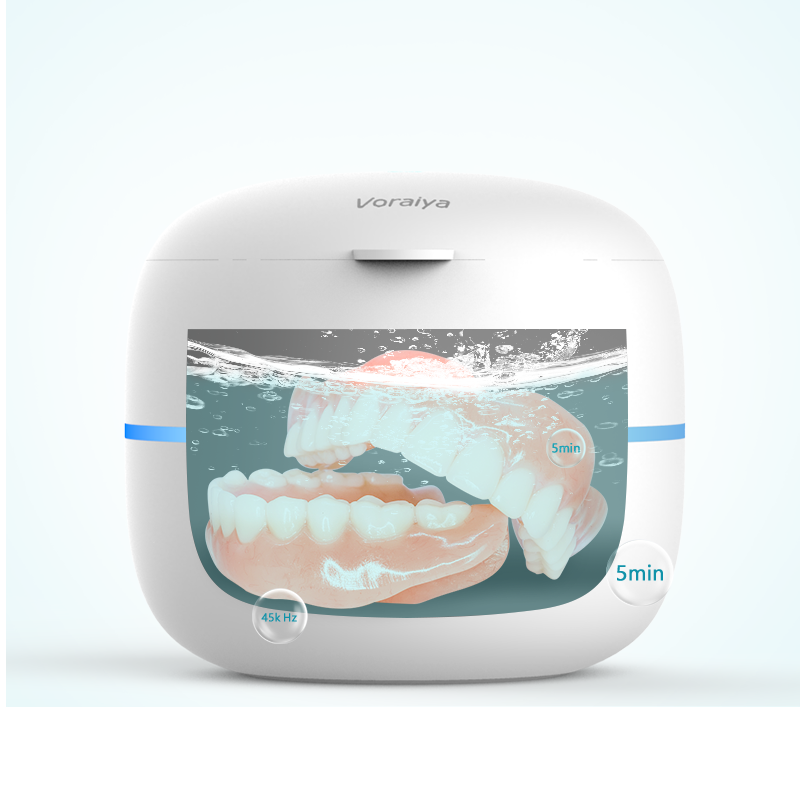
US200
4UVC+ultrasonic cleaner
Two working modes:
1.UVC+ultrasonic cleaner 5min
2.UVC+pulse ultrasonic cleaner 10min
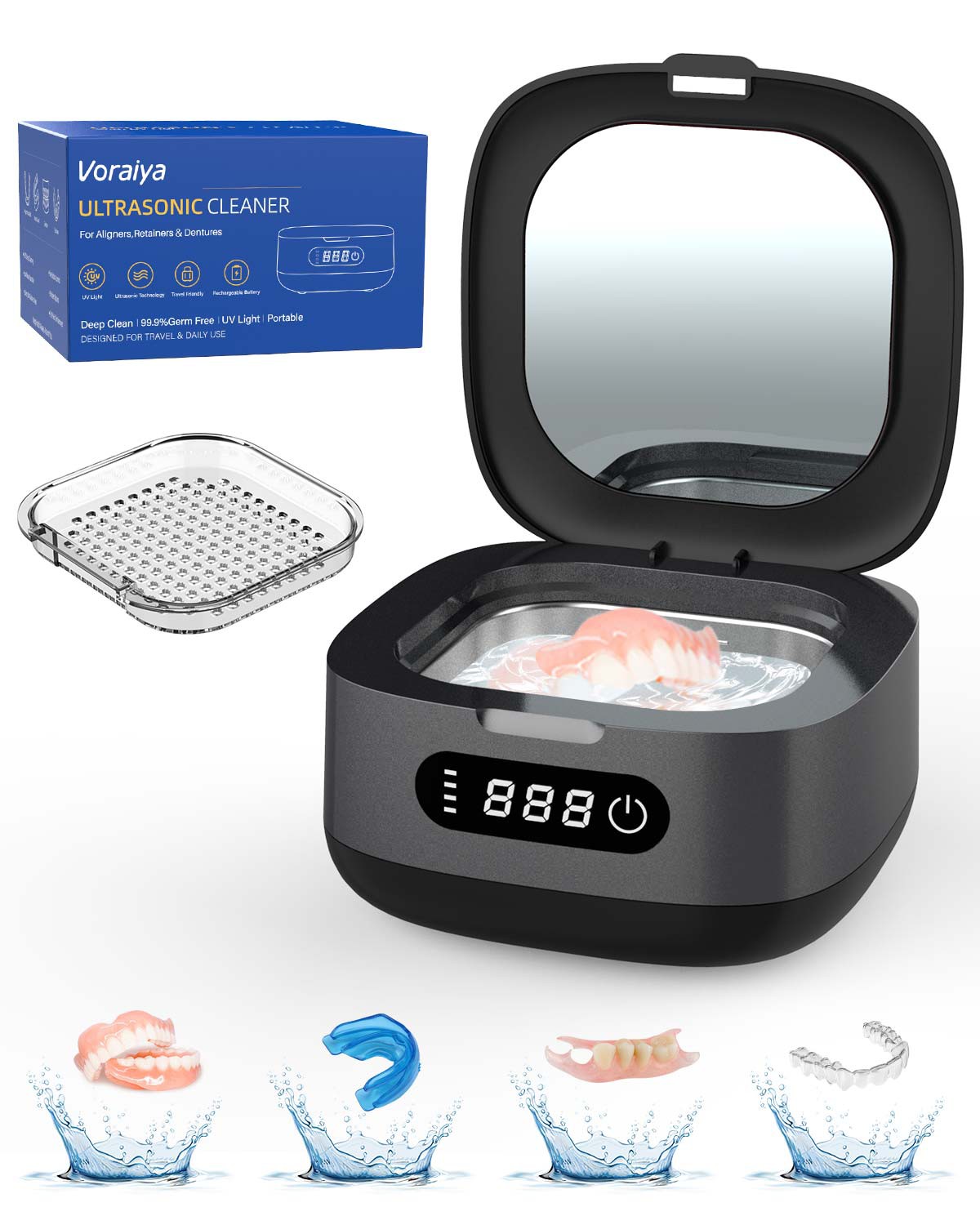
US600
Built-in battery with 57KHz frequency
1.4000mAh two batteries
2.High frequency from 42-57KHz
3.2UVC with Drain basket
4.Digital screen to show time
5.A mirror at the top
6.Three working modes
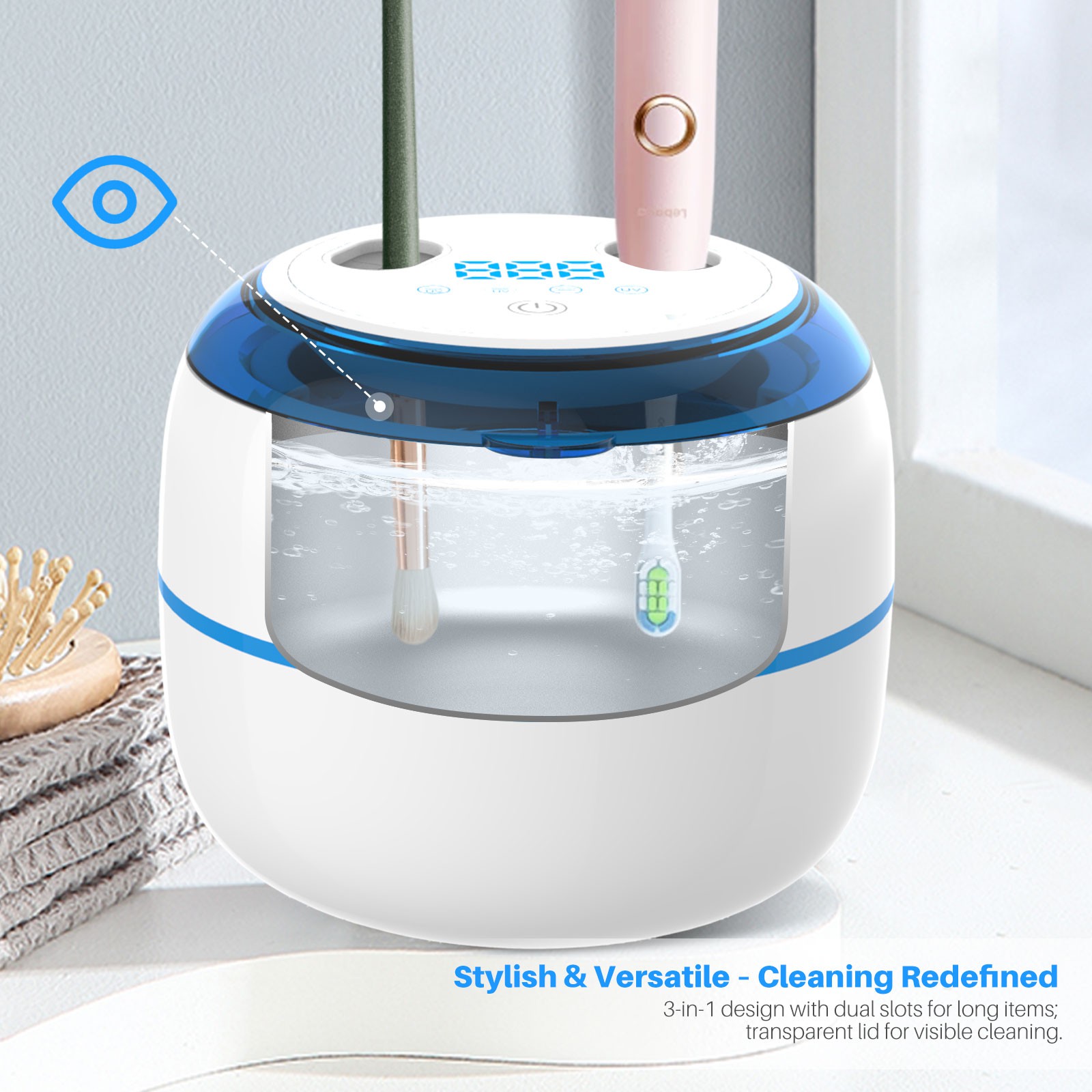
US201
1.4 working modes
2.4UVC at the top
3.Digital disply screen.
4.2 holes for toothbrushes or makeup brushes
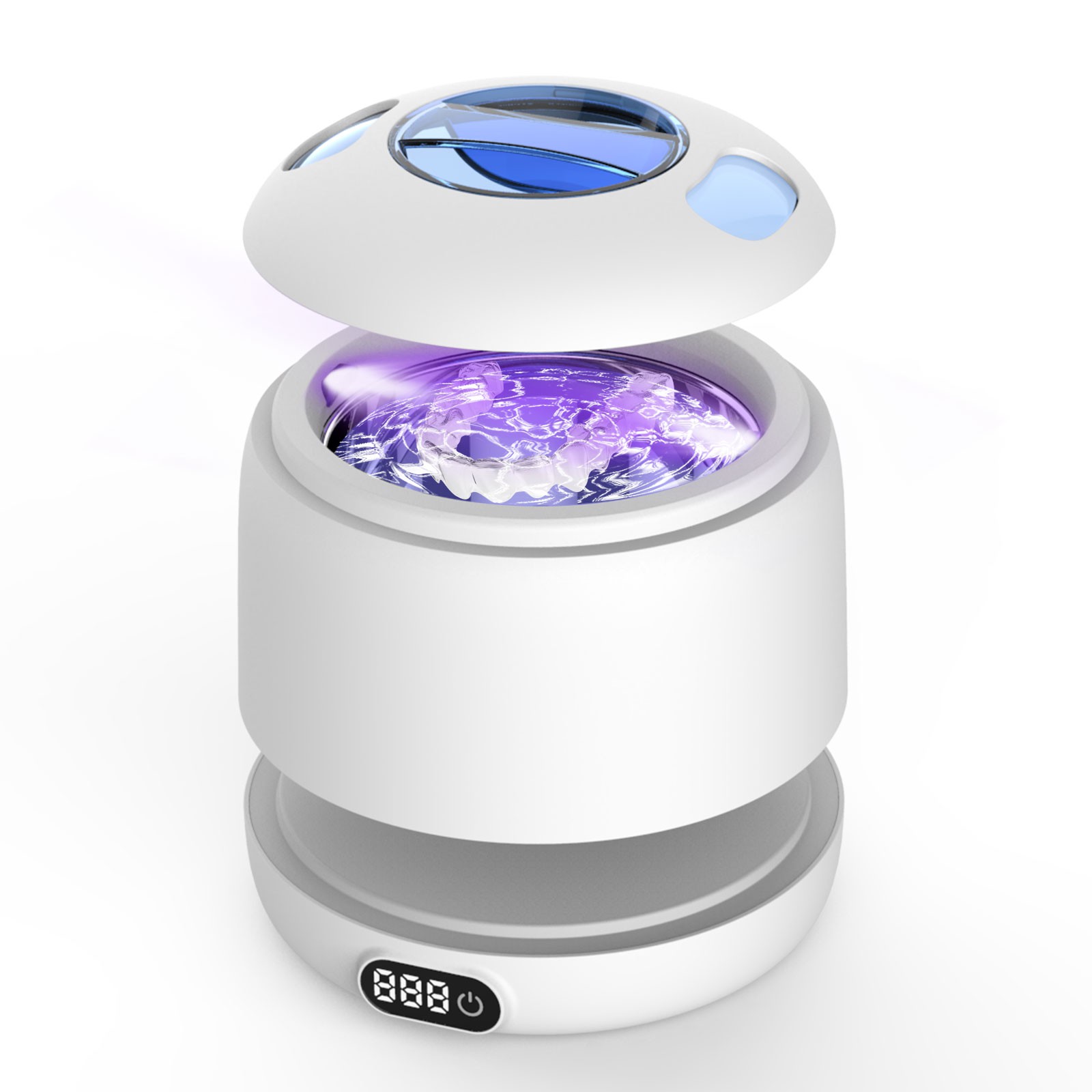
US500
1.The unique split design makes it more convenient to pour water and cleaning.
2.2 UVC in the wall
3.3 working modes
4.Self-developed rotating flip cover design